|
Cost Segregation for Commercial & Short-Term Rental Owners
|
Request a free estimate [email protected] |
How It Works
FREE Estimate Is there a first-year deduction sitting in your building? No cost, no obligation. Request Yours »Minimum ROIOur study identifies at least 20x its fee in first-year deductions on commercial property, or at least 30x on a short-term rental, or it is free. |
What Is the Difference Between Cost Segregation and Bonus Depreciation?Quick answer Cost segregation and bonus depreciation do two different jobs. Cost segregation is a classification study, an engineering-based review that identifies which parts of a building's cost belong on 5, 7, 15, or 39/27.5-year schedules instead of one slow default class. Bonus depreciation, section 168(k), is a deduction-timing rule: it lets the 5, 7, and 15-year property a study identifies be deducted in year one instead of spread out. One decides what a component is. The other decides when its value shows up on a return. See this applied to your building. A few questions, 30 seconds. You see which tests matter and the first-year deduction range a study would look for. No email to see the range. Run the 30-second check »Key takeaways
Two Different Jobs, Not Two Versions of the Same RuleThese two terms get used interchangeably online, and they should not be. A cost segregation study is a classification exercise: an engineering-based review of a building's construction cost that sorts it into the correct depreciation classes, 5, 7, 15, or 39/27.5-year, instead of leaving the entire purchase price in one slow bucket by default. Bonus depreciation is a timing rule that applies AFTER classification: it governs how fast the property in the shorter classes gets deducted once a study, or some other method, has already identified it. Put together, they multiply rather than compete. A study cannot accelerate anything on its own; it can only reclassify. Bonus depreciation cannot deduct anything on its own either; it needs bonus-eligible property to apply to, and a study is usually what creates that property in the first place. For the full mechanics of how the two stack, see how bonus depreciation and cost segregation work together. 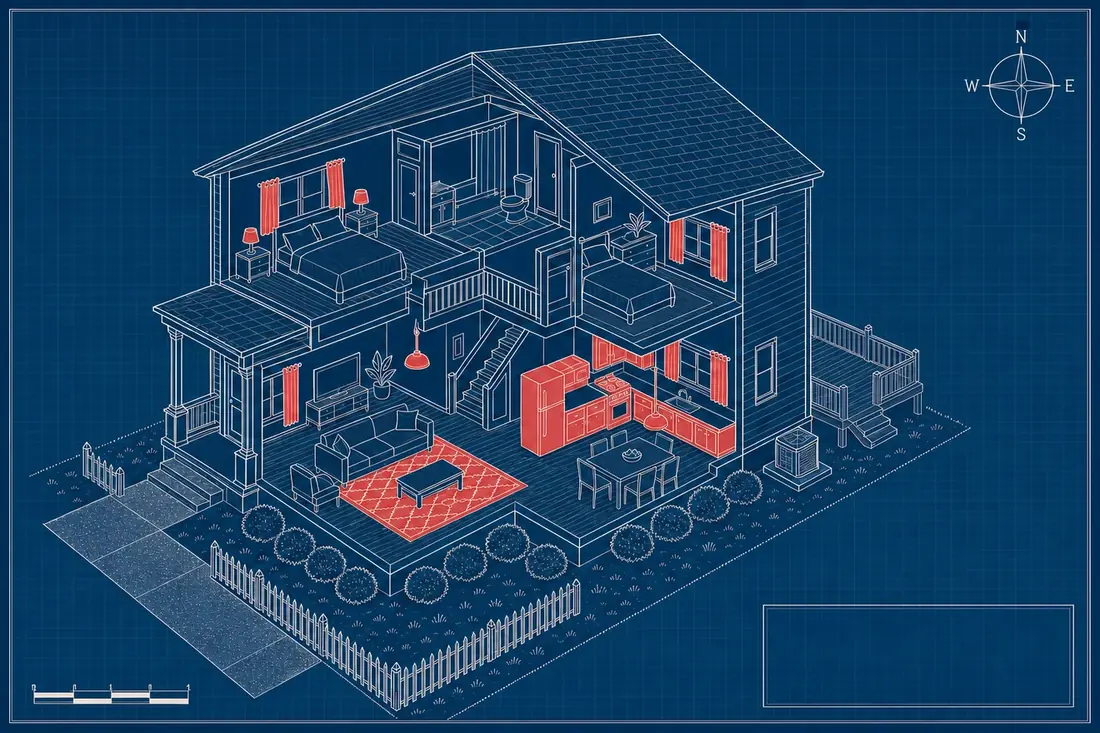
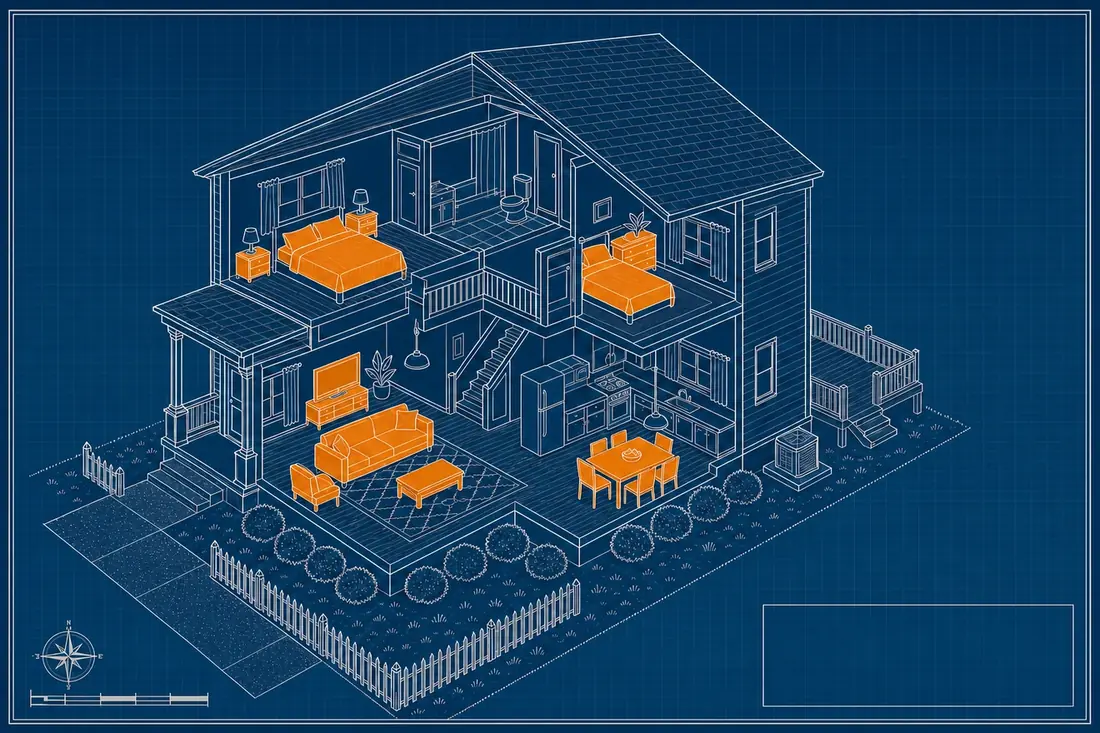
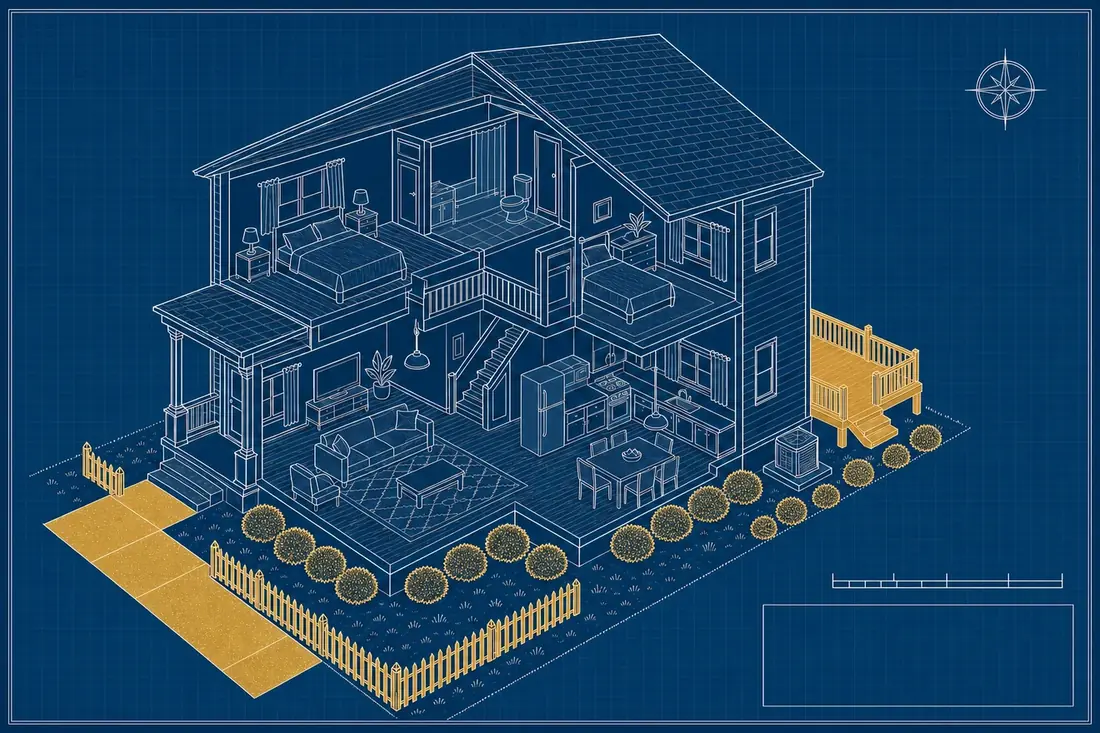
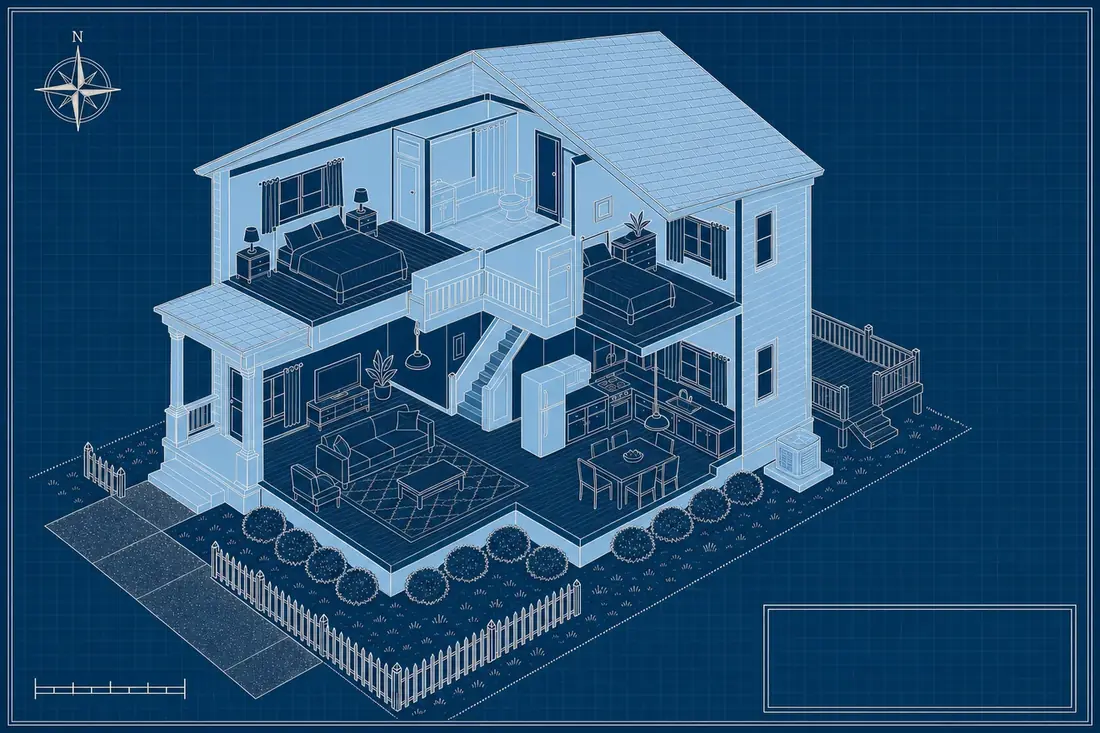
5-Year: carpet and flooring, cabinets, appliances, light fixtures, curtains 7-Year: furniture 15-Year: driveway, fencing, landscaping, deck 27.5/39-Year Shell: roof, load-bearing walls, foundation, central HVAC Get your free Preliminary Benefit Estimate See how much of your building's basis a classification study could move onto a bonus-eligible schedule with a free Preliminary Benefit Estimate. Request Your Free Estimate »Cost Segregation: A Classification StudyA cost segregation study looks at a building the way an engineer does, not the way a generic depreciation schedule does. It separates carpet, cabinetry, appliances, decorative lighting, and certain electrical and plumbing runs into the 5-year class, furniture and fixtures into 7-year, paving, fencing, landscaping, and site lighting into 15-year, and leaves the structural shell, walls, roof structure, and central systems, on the 39-year commercial or 27.5-year residential schedule. See a full breakdown at 5, 7, and 15-year property examples. The IRS lost the argument that a building is one undifferentiated asset in Hospital Corporation of America v. Commissioner (109 T.C. 21, 1997), and its own Audit Techniques Guide (Publication 5653) describes exactly how a proper study is done. A study on its own does not create a single extra dollar of deduction over the life of the property; it moves deductions between classes and, in doing so, sets up which dollars are eligible for the timing rule below. Bonus Depreciation: A Deduction-Timing RuleSection 168(k) bonus depreciation lets qualifying property with a recovery period of 20 years or less, meaning the 5, 7, and 15-year classes a study identifies, be deducted in full in the year it is placed in service instead of spread across its own schedule. Current law restores 100% bonus depreciation, made permanent under the 2025 tax law (OBBBA), for qualified property acquired after January 19, 2025. Property acquired between 2023 and that date sits on the prior phase-down schedule instead, 80%, then 60%, then 40%. The 39-year commercial and 27.5-year residential shell is never bonus-eligible, regardless of how recently the building was constructed. Bonus depreciation has nothing to classify on its own; it can only apply to property that already sits in a class of 20 years or less, which is exactly the classification a cost segregation study produces. The 60-Second Qualifier Four questions. Our engineering team's model shows the estimated first-year acceleration a study of your property would target, free, before you commit to anything. Take the Qualifier »A Worked Example: What Each Piece Actually DidA benchmark run on a medical clinic carried a building basis, land excluded, of $1,404,500 and produced $241,839 in first-year increased deductions for a $10,000 fee, a 24.2 to 1 ratio of deductions to fee. That $241,839 figure is not one mechanic working alone. The classification work is what identifies which dollars of that $1,404,500 basis belonged in the 5, 7, and 15-year classes instead of the 39-year shell. Bonus depreciation, along with the section 481(a) catch-up on a look-back, is what determined that those reclassified dollars, plus previously missed depreciation, showed up as a deduction in year one rather than trickling out over 5, 7, or 15 years. Classification decides what a component is. Bonus depreciation decides when its value shows up. Take either mechanic away and that $241,839 figure looks different. Without the study, there is no 5, 7, or 15-year property to apply bonus depreciation to at all, only the slow shell. Without bonus depreciation, the reclassified property would still depreciate faster than the shell, just not all in year one, since 5, 7, and 15-year property is inherently quicker than a 39 or 27.5-year schedule even at a normal MACRS rate. Side by Side
Why This Difference Matters When Comparing Providers or TimelinesConfusing the two leads to two common mistakes. The first is assuming a building automatically gets a large first-year deduction just because bonus depreciation exists; without a study, most of a building's basis is never classified into a bonus-eligible bucket in the first place. The second is assuming a study alone produces the biggest possible number; a study identifies the eligible property, but current bonus rules, the acquisition date, and whether the study is a first-year study or a look-back all determine how fast that property's value actually lands on the return. The order of operations also explains why the acquisition date matters so much. A study performed in 2026 on a building acquired in 2024 still applies the bonus rate tied to the 2024 acquisition date for that property's placed-in-service assets, not the rate current in the year the study happens to be delivered. Classification and timing are evaluated against two different dates, which is exactly why treating the two mechanics as separate steps, rather than one blended idea, makes the acquisition-date question easier to answer correctly. Frequently asked questionsDo I need a cost segregation study to use bonus depreciation? In practice, yes, on most of a building. Bonus depreciation only applies to property with a recovery period of 20 years or less. Without a study identifying which parts of the purchase price belong in the 5, 7, or 15-year classes, nearly all of a building's basis sits on the 39 or 27.5-year shell, where bonus depreciation never applies. Does bonus depreciation apply to the structural shell of a building? No, never. The 39-year commercial and 27.5-year residential shell is not bonus-eligible property, no matter how new the building is. Only the 5, 7, and 15-year components a cost segregation study identifies are bonus-eligible. Is bonus depreciation the same thing as Section 179? No. Section 179 is a separate expensing election, limited by business income, and on nonresidential property applies specifically to roofs, HVAC, fire protection, and security systems placed in service after the building itself. Bonus depreciation has no business income limit and applies to the broader set of 5, 7, and 15-year property a study identifies. Section 179 does not apply to residential rentals at all. How much of a building's basis does a cost segregation study typically move? A study typically shifts about 15 to 35% of building basis into faster schedules, varying by property type. Restaurants and equipment-dense buildings tend to run at the high end; simple shells run lower. That reclassified portion is what becomes eligible for bonus depreciation. Does the acquisition date matter for bonus depreciation even if the cost segregation study is done later? Yes. The bonus rate follows the property's acquisition or placed-in-service date, not the date the study is performed. Property acquired after January 19, 2025 qualifies for 100% bonus under current law, while property acquired between 2023 and that date sits on the prior phase-down schedule. Keep readingGet your free Preliminary Benefit Estimate Send the address or the listing link. We model the number first; you decide with it in hand. Request Your Free Estimate »Educational information, not tax advice. This page describes how federal
depreciation rules and tests work in general. Whether any rule fits your facts is a determination for
you and your CPA. Our study gives your CPA the engineering and the numbers to make that call.
|