|
Cost Segregation for Commercial & Short-Term Rental Owners
|
Request a free estimate [email protected] |
Qualification
FREE Estimate Is there a first-year deduction sitting in your building? No cost, no obligation. Request Yours »Minimum ROIOur study identifies at least 20x its fee in first-year deductions on commercial property, or at least 30x on a short-term rental, or it is free. |
Can You Take Section 179 on Rental Property?Quick answer Section 179 lets a business expense qualifying property immediately, but only for property used in an active trade or business, a standard that requires regular, continuous involvement, not simply collecting rent. A typical passive residential rental generally fails that test. A short-term rental run with real activity, or a nonresidential building's roof, HVAC, fire protection, or security system placed in service later, can change the answer. For most rental property, bonus depreciation is the mechanism that reaches the same 5-, 7-, and 15-year components without the trade-or-business hurdle. See this applied to your building. A few questions, 30 seconds. You see which tests matter and the first-year deduction range a study would look for. No email to see the range. Run the 30-second check »Key takeaways
What Section 179 Actually RequiresSection 179 of the tax code lets a business expense the full cost of qualifying property in the year it's placed in service, instead of depreciating it over several years. The catch that trips up most rental property owners: the property has to be used in an active trade or business. That standard looks for regular, continuous, considerable involvement, the kind of activity a court or examiner would call operating a business, not the kind of activity involved in owning a building and collecting rent checks. This is a different and higher bar than the passive activity rules under section 469 use for material participation. A rental can clear the material participation tests for passive-loss purposes and still not rise to a trade or business for section 179 purposes. They are related ideas, not the same test. 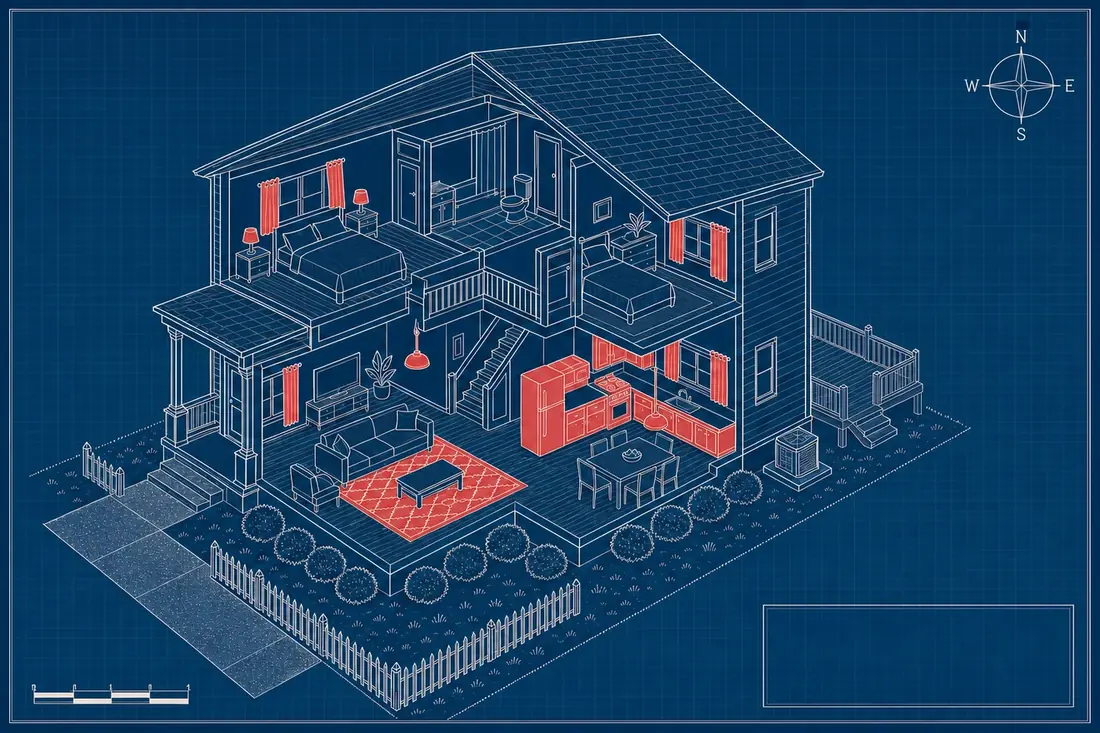
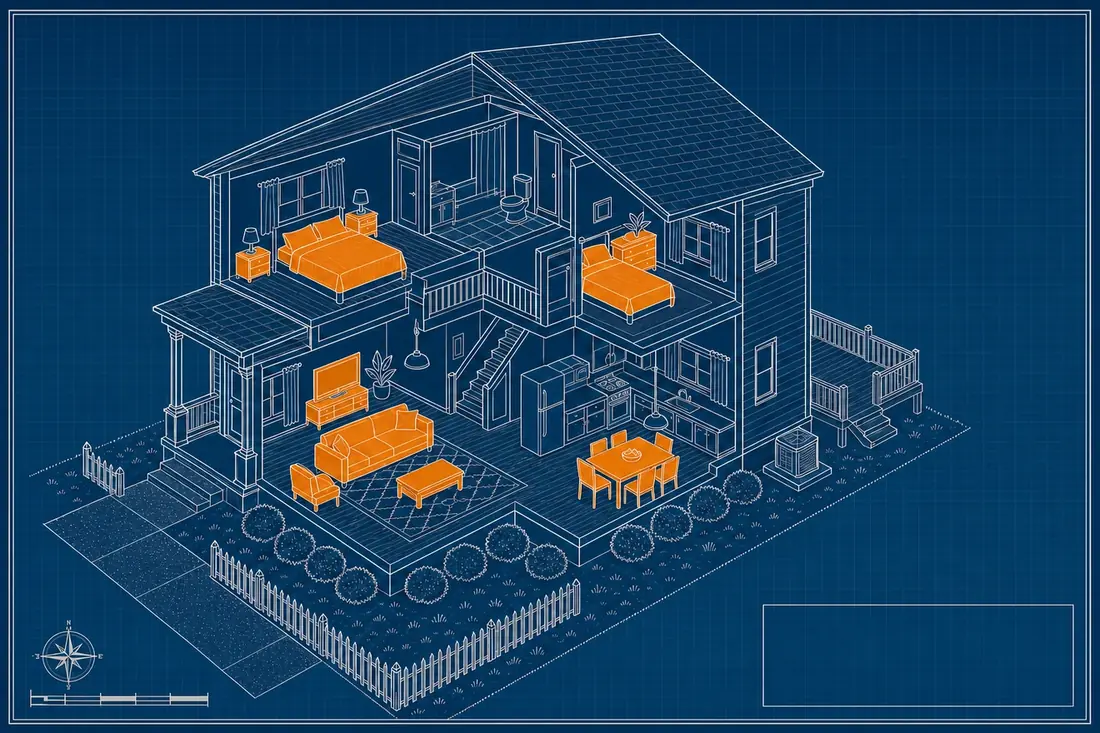
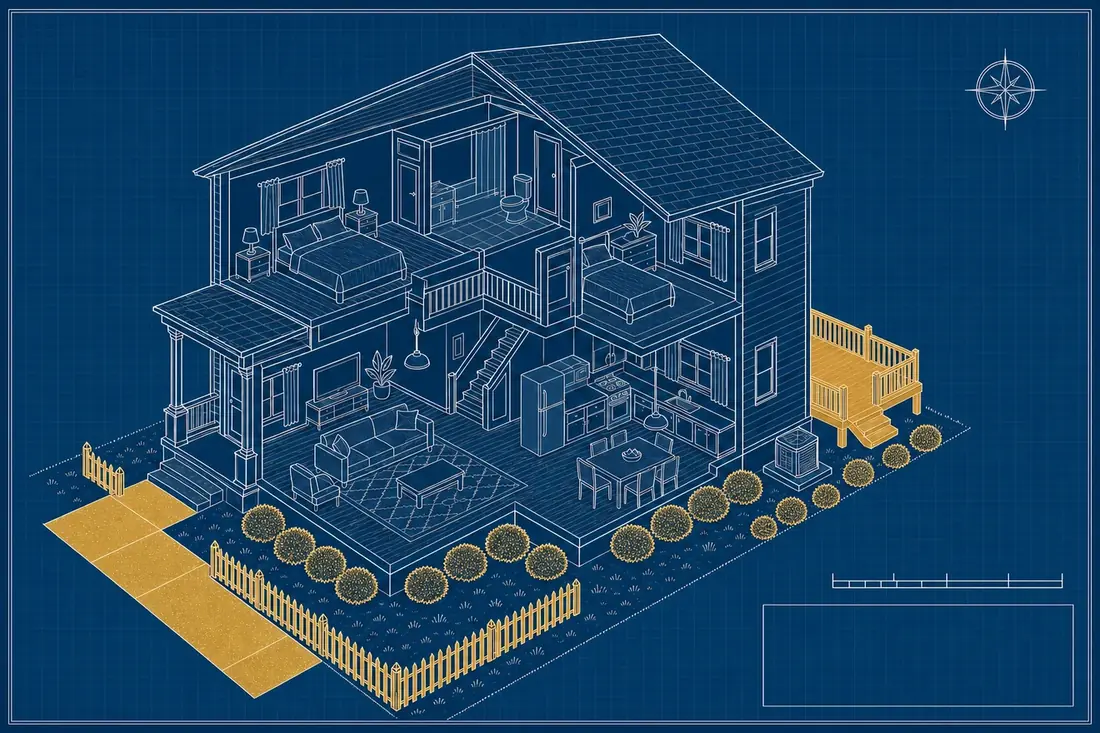
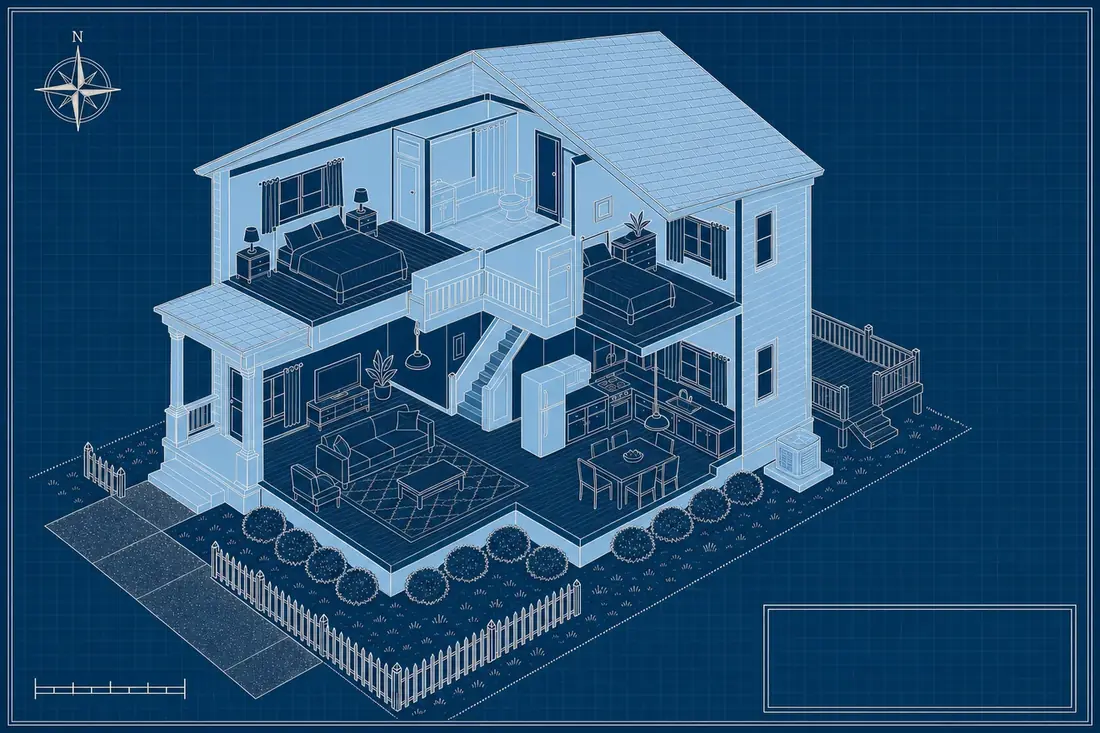
5-Year: carpet and flooring, cabinets, appliances, light fixtures, curtains 7-Year: furniture 15-Year: driveway, fencing, landscaping, deck 27.5/39-Year Shell: roof, load-bearing walls, foundation, central HVAC Get your free Preliminary Benefit Estimate Run the free estimate on the components most rentals actually qualify for, then have your CPA confirm whether this specific property clears the 179 trade-or-business bar too. Request Your Free Estimate »Why a Typical Residential Rental Generally FailsMost single-family and small residential rentals are held for investment: the owner signs a lease, collects rent, calls a contractor when something breaks, and reviews the numbers periodically. Courts and the IRS have generally treated that level of activity as investment, not a trade or business, for the specific purpose section 179 requires. That reading is why the common internet claim, "179 doesn't apply to rental property," picks up so much traction. It's directionally right for the ordinary case, even though it overstates a rule that has real exceptions. This is also a different question from real estate professional status, which affects whether rental losses are passive under section 469. An owner can qualify as a real estate professional and still not run a specific rental as the kind of trade or business section 179 has in mind for that particular property; the two standards share vocabulary but serve different purposes in the code. What "Active Trade or Business" Looks Like in PracticeCourts weighing whether an activity rises to a trade or business for tax purposes generally look at a handful of signals: how many hours the owner or the owner's staff put in, whether the owner makes ongoing operating decisions rather than just approving occasional repairs, and whether the activity resembles something a stranger would recognize as a business rather than an investment. None of those signals turn on the word "rental." Picture two owners with identical duplexes in different towns. The first hires a property manager and checks in twice a year, a fact pattern that reads like the typical passive rental the trade-or-business test was built to exclude. The second self-manages both units, handles every maintenance call personally, and runs an active waitlist for tenants, a fact pattern closer to the line, though still a question for that owner's CPA to weigh against the actual test rather than a settled answer. Change the second owner's units to short-term rentals with nightly turnover and active guest communication, and the fact pattern moves further still. The property type never changed; the activity around it did. Where a Short-Term Rental Can Present a Different CaseA short-term rental run with the kind of activity a hotel or bed-and-breakfast involves, active management, guest turnover, services beyond a bare lease, moves closer to the trade-or-business profile section 179 requires. Whether a specific property's activity clears that bar is a facts-and-circumstances question for the owner's CPA, built from the same kind of record, hours, tasks, who does the work, that supports material participation for other purposes. Material participation for an Airbnb and trade-or-business status are related questions that both come back to the same underlying activity log. The Nonresidential Carve-Out That Changes the AnswerSeparate from the trade-or-business question, section 179 has a specific carve-out for qualified real property: on nonresidential buildings only, roofs, HVAC units, fire protection and alarm systems, and security systems placed in service after the building itself was already in service can be expensed under section 179, subject to the annual dollar limits and to the business income limitation. That carve-out does not reach residential rental property at all. Section 179 on a roof or HVAC replacement covers the mechanics of that specific election in depth. The carve-out is narrow by design, four specific building systems, one property category, and it applies independent of whether the rest of the building's ownership otherwise clears the trade-or-business bar. The 60-Second Qualifier Four questions. Our engineering team's model shows the estimated first-year acceleration a study of your property would target, free, before you commit to anything. Take the Qualifier »Why the "Placed in Service After" Timing Rule ExistsThe qualified real property carve-out only reaches a roof, HVAC unit, fire protection system, or security system installed after the building itself was already placed in service, not one that came with new construction. That timing line matters because section 179 targets improvements to an existing operating building, the kind of expense a business incurs mid-stream, not the original construction cost that gets its own depreciation treatment as part of the building's initial basis. A new nonresidential building's original roof depreciates over 39 years as part of the structure; that same roof, replaced years later on the same building, is what the carve-out was built to reach. That distinction also explains why the carve-out shows up so often in a contractor's sales conversation rather than a developer's. A roofing or HVAC contractor pitching a replacement job on an existing commercial building is pitching exactly the transaction section 179's qualified real property rule was designed around. The Limits That Apply Even When the Carve-Out FitsClearing the trade-or-business and nonresidential-property hurdles doesn't make section 179 unlimited. The election is capped by the annual dollar limit set for the tax year, and it cannot create or increase a business loss: it's limited to the amount of taxable income from the trade or business, with any excess carried forward rather than lost. Those limits apply on top of, not instead of, the activity and property-type rules above. A property that clears the trade-or-business bar with room to spare can still see its section 179 deduction capped by these dollar and income limits in a low-income year, which is why the carve-out and the general trade-or-business rule are only the first two gates, not the whole picture. The Mechanism That Actually Applies to Most Rentals: Bonus DepreciationFor the property most owners actually ask about, carpet, cabinetry, appliances, decorative lighting, certain electrical and plumbing, and site improvements like paving and landscaping, bonus depreciation reaches the same components section 179 would, without requiring trade-or-business status. Bonus depreciation on rental property applies to any property with a recovery period of 20 years or less, the exact definition of what a cost segregation study identifies, regardless of whether the activity around the rental rises to a trade or business. That's why a cost segregation study matters even when section 179 is off the table. A commercial benchmark: a medical clinic benchmark run identified $241,839 in first-year increased deductions on a $1,404,500 building basis, all through the 5-, 7-, and 15-year buckets bonus depreciation reaches, on a property where the trade-or-business question never had to be resolved. How to Tell Which Rule Applies to a Specific PropertyThe trade-or-business determination for section 179 depends on the actual level of activity involved in running the property, documented the same way material participation gets documented: a log of hours, tasks, and who performed them. An owner's CPA weighs that record against the standard, and the analysis differs for a passive single-family rental, an actively managed short-term rental, and a nonresidential building getting a new roof. None of that changes what a cost segregation study finds inside the building. The classification question decides which expensing mechanism, 179 or bonus, applies to which piece; the study identifies the pieces either way. Frequently asked questionsDoes a short-term rental automatically qualify for Section 179? No single answer covers every short-term rental. The test looks at whether the actual level of activity around the property, guest turnover, active management, services provided, rises to an active trade or business, a facts-and-circumstances question for the owner's CPA rather than a rule that turns on the word "short-term" alone. Can an LLC that owns rental property take Section 179? The entity type doesn't decide it; the activity does. An LLC holding a passive rental faces the same trade-or-business test an individual owner would, and forming an LLC around a rental does not, by itself, convert investment activity into a business for section 179 purposes. What's the difference between Section 179 and bonus depreciation for a rental? Section 179 requires an active trade or business and comes with annual dollar and income limits. Bonus depreciation, section 168(k), has no trade-or-business requirement and applies to any property with a recovery period of 20 years or less, which is why it reaches most rental property components that 179 cannot. Does Section 179 apply to a rental property's roof? Only on nonresidential buildings, and only through the specific qualified real property carve-out for roofs, HVAC, fire protection and alarm systems, and security systems placed in service after the building was already in use. Residential rental property is excluded from that carve-out entirely. If Section 179 doesn't apply, is a cost segregation study still worth commissioning? The study identifies the same components either way, carpet, fixtures, site improvements, and those components are typically bonus-eligible without any trade-or-business requirement. Whether 179 also applies to a specific piece is a separate, narrower question that doesn't change what the study finds. Can Section 179 create a business loss for a rental? No. The election is limited to the amount of taxable income from the trade or business for the year; any amount above that limit carries forward rather than creating or increasing a loss in the current year. Keep readingGet your free Preliminary Benefit Estimate Send the address or the listing link. We model the number first; you decide with it in hand. Request Your Free Estimate »Educational information, not tax advice. This page describes how federal
depreciation rules and tests work in general. Whether any rule fits your facts is a determination for
you and your CPA. Our study gives your CPA the engineering and the numbers to make that call.
|