|
Cost Segregation for Commercial & Short-Term Rental Owners
|
Request a free estimate [email protected] |
IRS Documents
FREE Estimate Is there a first-year deduction sitting in your building? No cost, no obligation. Request Yours »Minimum ROIOur study identifies at least 20x its fee in first-year deductions on commercial property, or at least 30x on a short-term rental, or it is free. |
What Is the IRS Cost Segregation Audit Techniques Guide?Quick answer The IRS Cost Segregation Audit Techniques Guide, Publication 5653, is the document the IRS wrote for its own examiners describing how a quality cost segregation study is built and what to check when reviewing one. It lists 13 principal elements of a quality study, ranks six classification approaches by reliability, and works through the legal history behind the method. The IRS published it after losing Hospital Corporation of America v. Commissioner in 1997. This publication explains the rules. A study applies them to one building. A few questions, 30 seconds. You see which tests matter and the first-year deduction range a study would look for. No email to see the range. Run the 30-second check »Key takeaways
What Publication 5653 actually isThe Cost Segregation Audit Technique Guide, Publication 5653, is the Internal Revenue Service's own reference document for examiners reviewing cost segregation studies. The current version, dated February 2025, was originally developed by a cross-functional team of IRS engineers and revenue agents and has since been updated by the agency's own practice networks, including the group focused on deductible and capital expenditures. Its stated purpose is to help examiners understand why cost segregation studies are performed, how they are prepared, what to look for when reviewing one, and when an issue in a study needs closer examination. The guide is explicit about its own limits: it states that it is "not an official IRS pronouncement and may not be cited as authority." That caveat is not a weakness. It means the document is training material, not law, which is exactly why it is useful as evidence of how the agency treats the method in practice rather than as a legal citation in its own right. 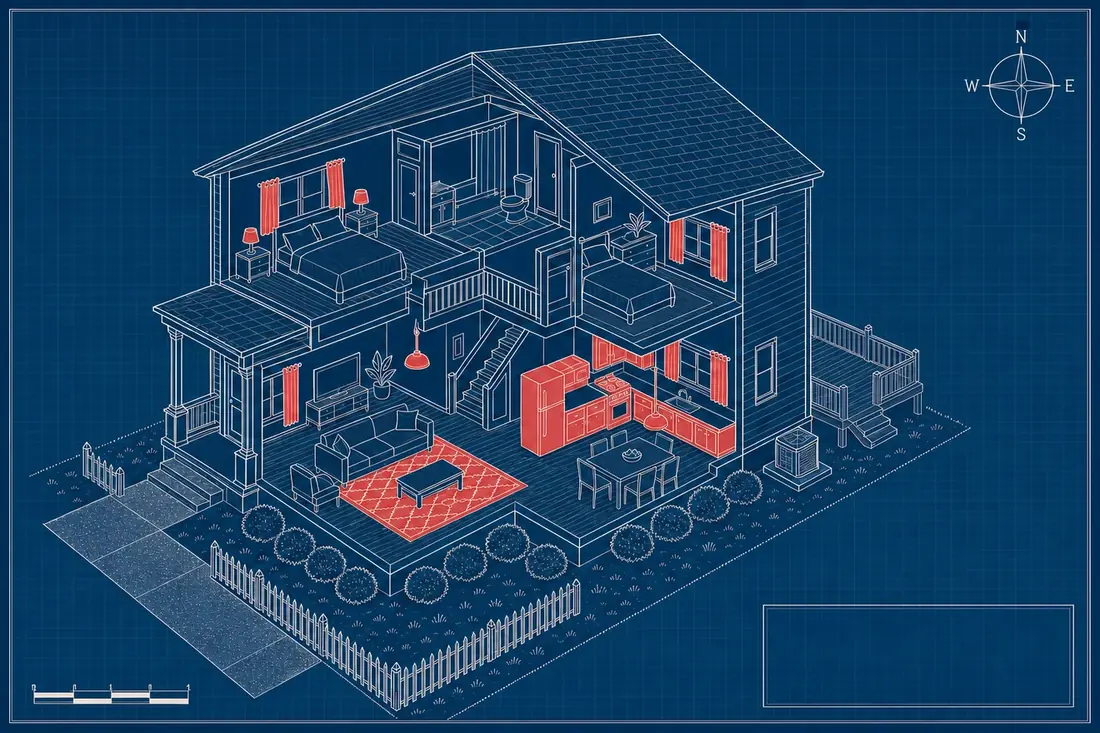
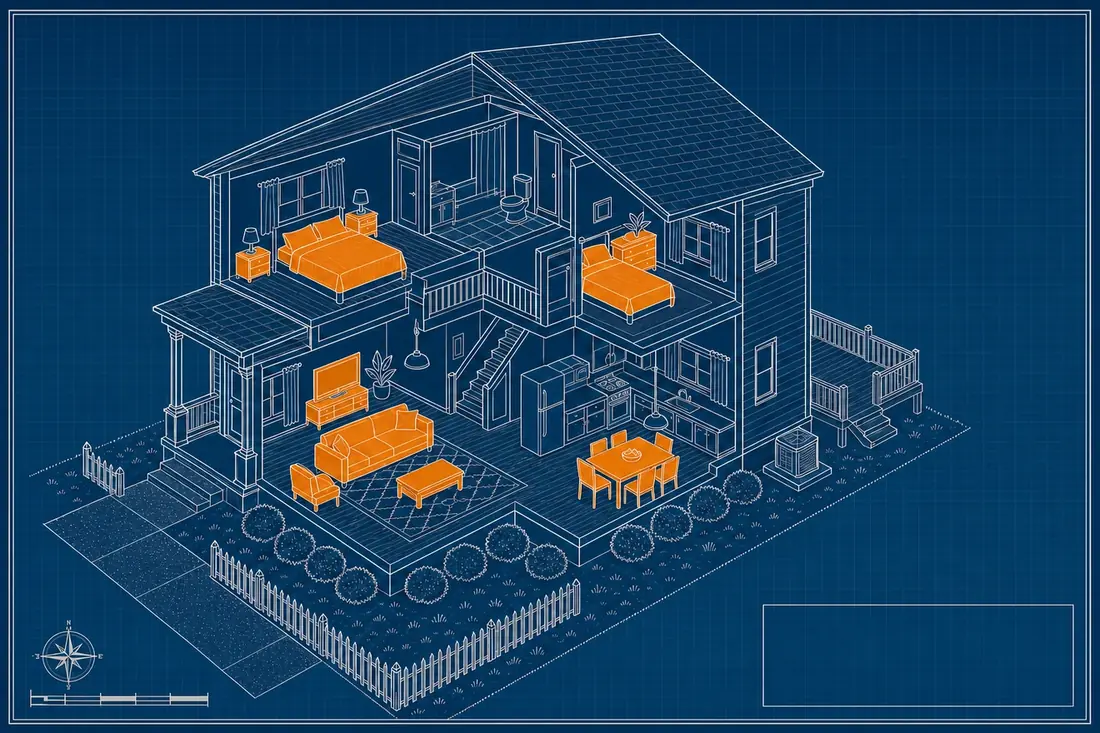
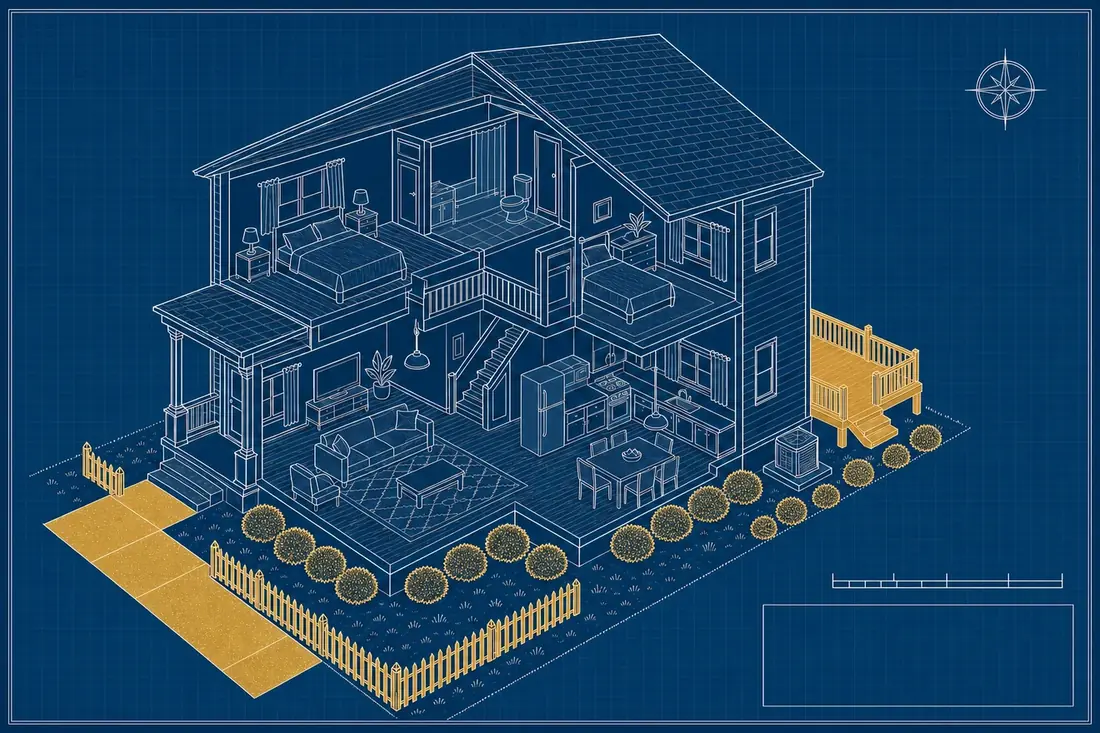
5-Year: carpet and flooring, cabinets, appliances, light fixtures, curtains 7-Year: furniture 15-Year: driveway, fencing, landscaping, deck 27.5/39-Year Shell: roof, load-bearing walls, foundation, central HVAC Get your free Preliminary Benefit Estimate See what an engineering-based study, built to the standard the IRS's own examiners are trained to look for, would find with a free Preliminary Benefit Estimate. Request Your Free Estimate »Why the IRS published an examiner guideThe guide was written after the IRS lost the core legal argument against component-style classification in Hospital Corporation of America v. Commissioner, 109 T.C. 21 (1997), see is cost segregation legal for the full legal history. The guide's focus is how well a given study is built and documented. That shift shows up directly in the guide's own language: it repeatedly frames its purpose around quality and documentation, not legality. For the fuller history behind that shift, from component depreciation before 1981 through the 1997 case and the guide's own creation, see when cost segregation actually started. How the guide is organizedPublication 5653 runs to roughly eight chapters. Chapter 1 introduces the guide's purpose. Chapter 2 lays out the legal framework, the history of depreciation law and the case law behind today's classification tests. Chapter 3 walks through the different approaches used to perform a cost segregation study. Chapter 4 lists the principal elements of a quality study and report. Chapter 5 covers how an examiner should actually review and examine a study. Chapters 6 through 8 cover special topics, including bonus depreciation and section 179, plus industry-specific and issue-specific guidance for particular property types. The 13 principal elements of a quality studyChapter 4 of the guide lists 13 specific elements the IRS looks for in a quality cost segregation study. A study built to this standard documents each one directly.
The 60-Second Qualifier Four questions. Our engineering team's model shows the estimated first-year acceleration a study of your property would target, free, before you commit to anything. Take the Qualifier »The methodology hierarchy behind those elementsChapter 3 of the guide describes six approaches used to perform cost segregation, ranked roughly by reliability. The detailed engineering approach from actual cost records, using contemporaneous construction and accounting documentation, sits at the top as the most methodical. A detailed engineering cost estimate approach and a survey or letter approach follow. At the bottom sits what the guide calls a "rule of thumb" approach, applying an industry-average percentage with little or no property-specific documentation, which the guide tells examiners to view with caution. The guide is careful to note that the IRS "has not established any requirements or standards for the preparation of cost segregation studies." There is no single mandated format. What the guide does instead is describe what separates a defensible study from a thin one, a more useful question for an owner choosing a provider than whether the method itself holds up. How our process maps to the guideOur engineering team builds each study to answer the guide's elements directly, not to leave them for an examiner to ask about later. Component-level detail comes from classifying the building's actual carpet, cabinetry, electrical runs serving specific equipment, and site improvements, not applying a database percentage. Cost allocation is documented per component and ties back to the building's own numbers. Construction consistency is built in because the classification starts from the specific building, whether that is a commercial site visit or, for a short-term rental, the listing photos from Airbnb or VRBO that feed the classification without any owner homework. Whether that short-term rental depreciates over 27.5 years or 39 is a separate threshold question, covered in is short-term rental depreciation 27.5 or 39 years. Both the full engineered study and the budget engineered study deliver a 70-page report built this way. 24.2:1Medical Clinic deductions to fee 39.9:1Mid-Rise Office deductions to fee Those ratios come from benchmark runs: a medical clinic run on a $1,404,500 building basis produced $241,839 in first-year deductions for a $10,000 fee, and a mid-rise office run on $2,971,345 in basis produced $479,220 for a $12,000 fee. Neither figure is the point of the guide itself. A delivered study is built the way the guide describes. These runs are examples, not delivered reports. See how our methodology works for the full process. Why the guide rewards documentation, not aggressivenessA common misreading treats the guide as a target: move as much of a building's basis as possible into 5-year property, on the theory that faster depreciation is automatically the win. That misreads what the guide's quality elements actually value. They reward accurate, documented classification, not maximum reclassification. A study typically shifts about 15 to 35% of a building's basis into faster schedules, with equipment-heavy properties like restaurants running toward the high end and simple shells toward the low end. A study that claims a flat 45% on every property type, regardless of what the building actually is, is not more thorough by the guide's standard. It is less credible, because the documentation would need to explain construction differences that one uniform number cannot. That is the same failure mode the guide's own reliability ranking flags at the bottom tier: a percentage applied with little or no property-specific work. The guide's principal elements exist to rule that out. The classification has to trace back to what the building actually is, not to an assumption that a bigger percentage is automatically a better one. What the guide's existence should tell a skeptical ownerThe guide exists because a federal agency needs its own staff to consistently evaluate a method it already lost the legal argument over. Reading Publication 5653 does not read like a description of something exotic. It reads like an operations manual for a routine, if technical, part of how buildings get depreciated. A free Preliminary Benefit Estimate at /qualify models the likely first-year number for a specific property using the same engineering-based approach the guide ranks as most reliable, before any commitment. Whether a specific classification holds up to the guide's standard on a specific building is a question the underlying documentation answers, one a CPA can review alongside the numbers. Frequently asked questionsIs the IRS Audit Techniques Guide official IRS law? No. The guide itself states that it is not an official IRS pronouncement and cannot be cited as authority. It is training material for IRS examiners, describing how to evaluate a cost segregation study, not a source of legal authority in its own right. Does the IRS require a cost segregation study to follow the guide exactly? No. The guide notes that the IRS has not established formal requirements or standards for how a study must be prepared. It instead describes the elements, engineering-based analysis and clear documentation among them, that distinguish a quality study from a thin one. How often is the guide updated? The most recent version, Publication 5653, is dated February 2025 and reflects changes including the Inflation Reduction Act of 2022. Earlier versions go back further; the guide is periodically revised as tax law and IRS practice change. Who writes the IRS Audit Techniques Guide? It was originally developed by a cross-functional team of IRS engineers and revenue agents and has since been updated by the agency's own practice networks, including the group focused on deductible and capital expenditures. Does a Basis study follow the guide's elements? Our engineering team builds each study, both the full engineered and budget engineered tiers, to a 70-page report aligned to the guide's principal elements: detailed methodology, documented unit costs, and a specific listing of section 1245 property among them. Should a cost segregation study maximize the percentage of basis moved to 5-year property? No. The guide's quality elements reward documented, property-specific classification, not the largest possible percentage. A study typically shifts about 15 to 35% of a building's basis into faster schedules, and a figure well outside that range needs documentation tied to that building's actual construction to hold up under the guide's own standard. Keep readingGet your free Preliminary Benefit Estimate Send the address or the listing link. We model the number first; you decide with it in hand. Request Your Free Estimate »Educational information, not tax advice. This page describes how federal
depreciation rules and tests work in general. Whether any rule fits your facts is a determination for
you and your CPA. Our study gives your CPA the engineering and the numbers to make that call.
|