|
Cost Segregation for Commercial & Short-Term Rental Owners
|
Request a free estimate [email protected] |
Vacation Markets
Free Listing SEO Audit Paste your Airbnb or VRBO listing. Get a scored audit in 90 seconds. Audit My Listing »FREE Estimate Is there a first-year deduction sitting in your building? No cost, no obligation. Request Yours »Minimum ROIOur study identifies at least 20x its fee in first-year deductions on commercial property, or at least 30x on a short-term rental, or it is free. |
Cost Segregation for a Branson-Area Rental PropertyQuick answer Cost segregation on a Branson-area rental, in Taney or Stone County, Missouri, follows the same engineering process used on any short-term rental: components get reclassified into faster depreciation buckets ahead of the 27.5/39-year structural shell. Branson's season runs long, roughly mid-March through December, which smooths out the average-stay calculation compared to a market with one sharp peak, and its real winter close is exactly when owners tend to schedule capital work. Own a Branson rental? See the first-year deduction range a study would look for. 30 seconds, no email to see the range. Start the check ↓Key takeaways
Watch a log cabin rental get built and classified A hypothetical $600,000 three-bedroom log cabin goes up floor by floor, from the gravel drive and foundation to the game loft and the hot tub on the deck. Every component lands on its depreciation schedule as it is installed, and the year-one depreciation adds up on screen. Watch the 90-second walkthrough »Cost Segregation for a Branson-Area RentalBranson pulls guests from a wide radius: Kansas City, St. Louis, Springfield, and Tulsa all function as drive-to metros for a property in Taney or Stone County, Missouri. Unlike a market with one short peak month, Branson runs a long single season, roughly mid-March through December, before a real winter close. A cost segregation study on a Branson rental follows the same national mechanics as any other short-term rental study; what is distinct here is how a season that long, rather than sharply seasonal, shapes both the depreciation timing question and the tax test built around average guest stays. Whether the structure itself sits on 27.5 or 39 years turns on the 80% dwelling-unit test, and a short-term rental averaging stays of 7 days or less generally lands on 39 (see the 27.5 or 39 years guide). 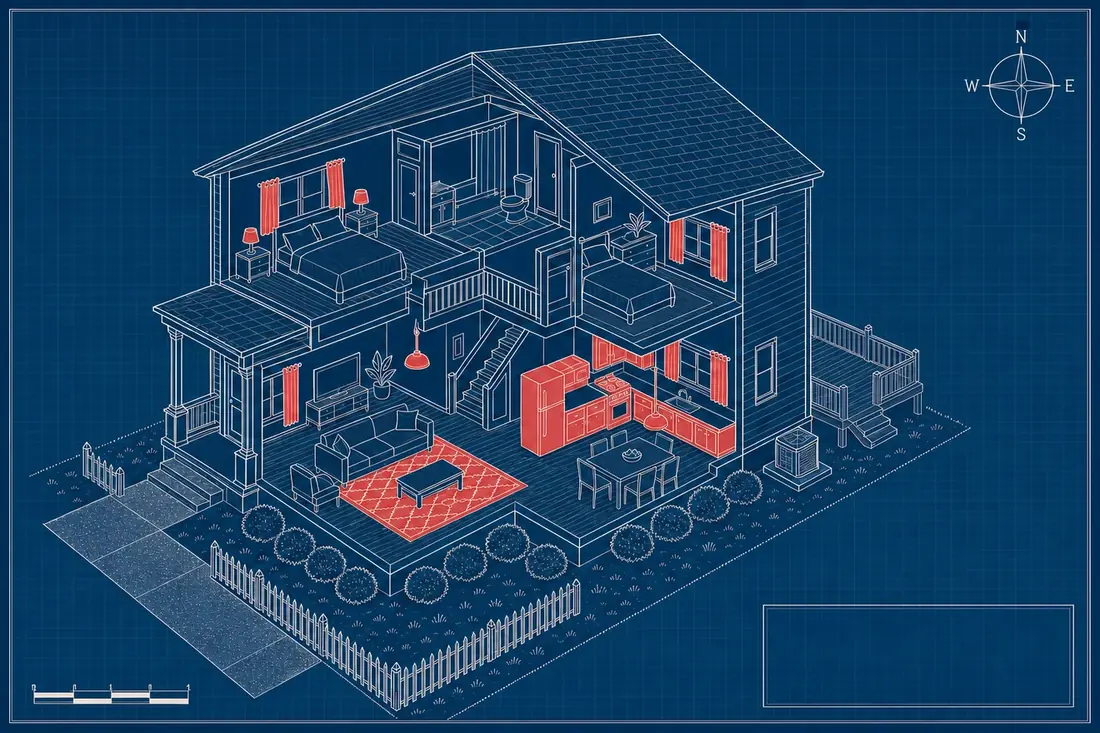
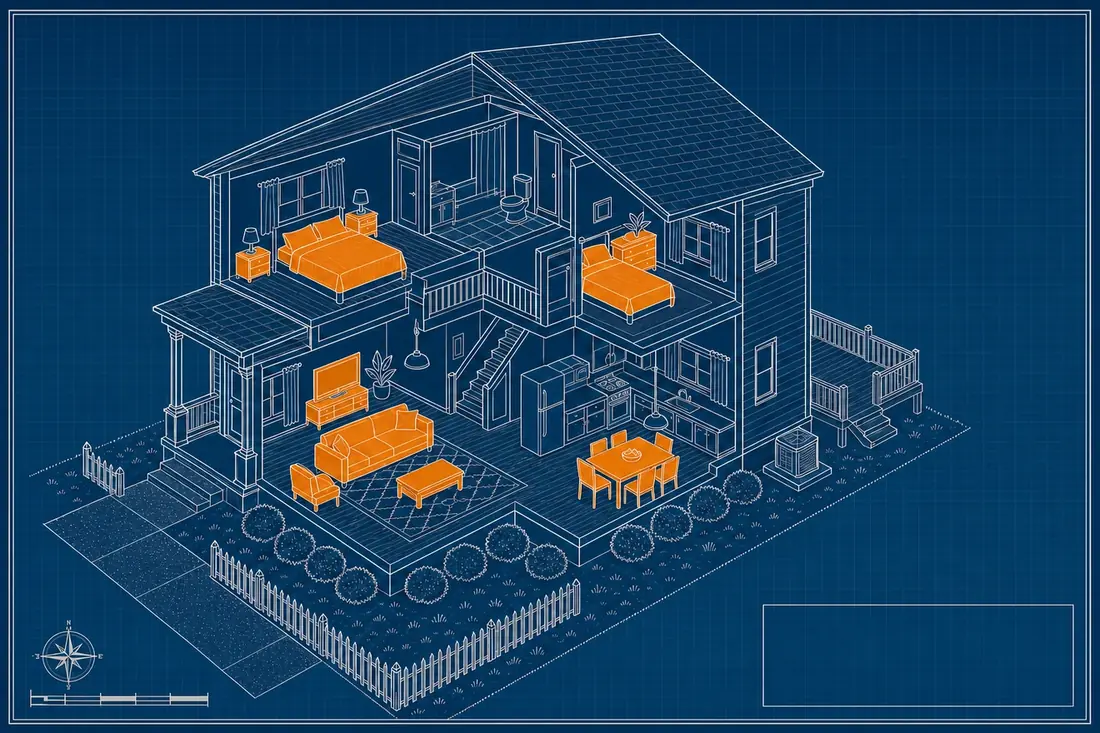
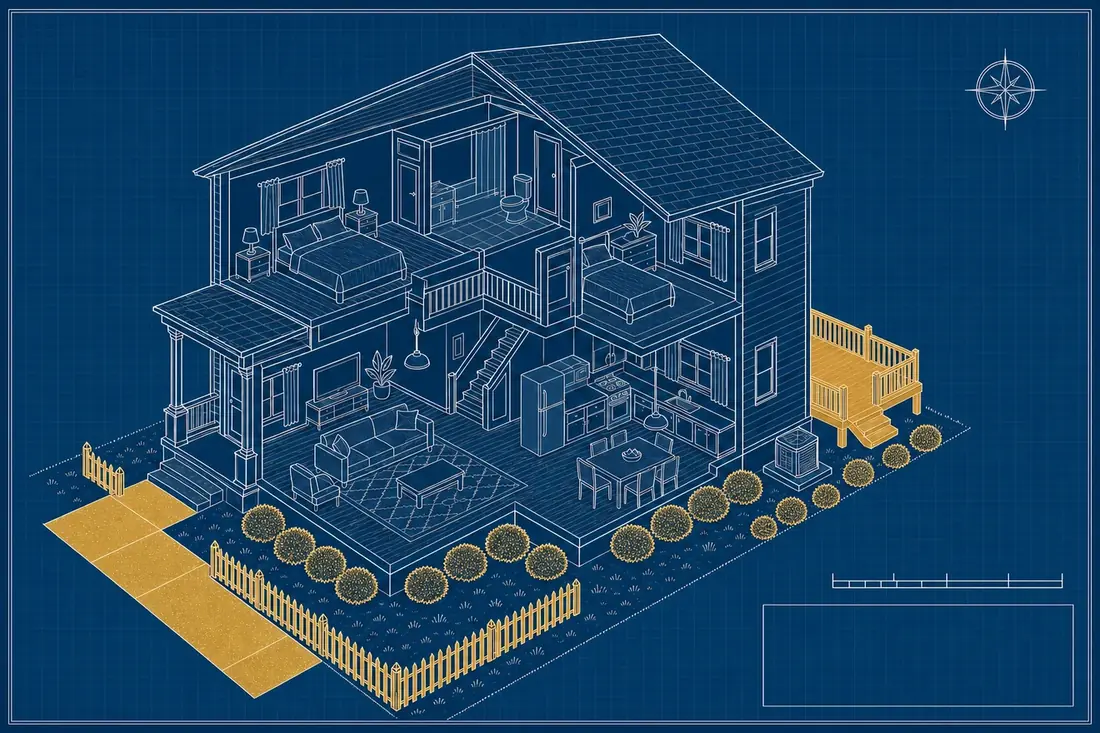
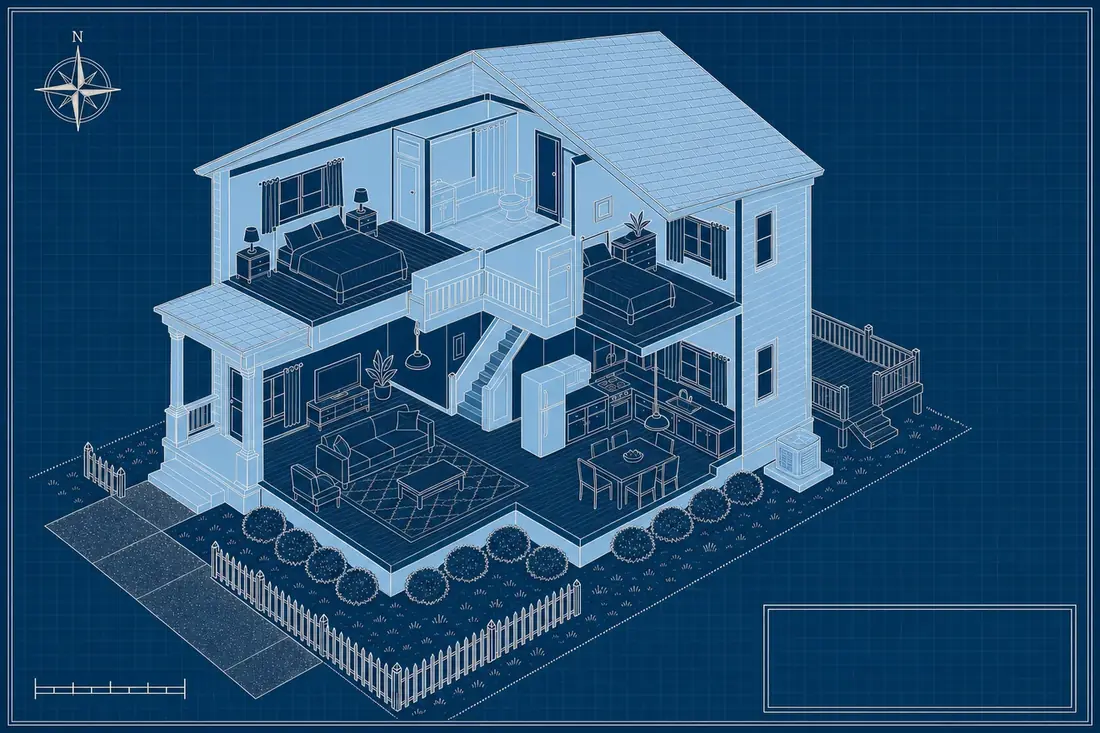
5-Year: carpet and flooring, cabinets, appliances, light fixtures, curtains 7-Year: furniture 15-Year: driveway, fencing, landscaping, deck 27.5/39-Year Shell: roof, load-bearing walls, foundation, central HVAC Get your free Preliminary Benefit Estimate See the likely first-year number for a Branson-area rental with the free estimate at /qualify/. Request Your Free Estimate »A Long Season Smooths Out the Average-Stay MathThe section 469 short-term rental exception looks at the average period of customer use across the testing period, generally the tax year, landing at 7 days or less. A market with one sharp summer month and a hard off-season can swing that average heavily depending on which few weeks carry most of the bookings. A property renting steadily from March through December, without one dominant peak month carrying the calendar, tends to produce a more consistent mix of stay lengths across the season, though tending toward something is not the same as guaranteeing it. The only way to know where a specific property's average actually lands is to total the actual stays from that property's own booking history, not to assume based on the length of the season. A full walkthrough of how that average actually gets computed is worth reading before assuming which side of the line a property falls on. A property that leans harder on holiday weekends and summer weeks than on quieter spring and fall bookings will not necessarily post the same average as one with steadier demand across the full nine months; the shape of a specific calendar still has to be counted, not assumed from the length of the season alone. The Winter Close and the Partial Asset Disposition DeadlineA defined off period from roughly January through mid-March is exactly when a lot of owners schedule the work that is hard to do around guests: a roof replacement, a new HVAC system, a full kitchen remodel. When an old component gets removed and replaced, partial asset disposition, under Treas. Reg. 1.168(i)-8, lets the remaining basis of the old component get written off, but only in the tax year the replacement happens. Miss the year the old roof comes off, and its remaining basis stays buried in the building for decades while the new roof depreciates on top of it. An owner planning off-season capital work should know about this election before the contractor starts, not after the return is filed. That same one-year deadline applies whether the replaced component is a roof, an HVAC system, flooring, or cabinetry; the mechanic does not care what the component was, only that it was actually removed and that the election is claimed in the return covering the year it came out. An owner nearer the entertainment strip who times a kitchen or flooring refresh to that same window faces the identical rule: the election belongs to the year the old material actually comes out, wherever the property sits inside the market. How the election actually works covers the mechanic in full. Estimate the first-year deduction on a property hereA few questions and the building value give a preliminary first-year deduction range, using the same rule as our free calculator. The breakdown can be emailed to you, or you can book a 15-minute call. Step 1 of 3 What kind of property?
Who runs it day to day?
What is the average guest stay?
When did you buy it?
How many rentals do you own?
Across all of them, does your rental portfolio show taxable income overall?
Any of them likely to sell in the next few years?
Prefer to talk it through? Book straight from here. No form needed.
Lakefront Cabins and Theater-District CondosBranson's rental stock generally splits into two property styles. Lakefront cabins and lake houses sit along Table Rock Lake and Lake Taneycomo, while condos and townhomes cluster closer to the entertainment strip along Highway 76, near the area's theaters and live-show venues. A lakefront property carries components a landlocked condo does not: a dock or boat slip, generally a 15-year land improvement, and often a boat lift or hoist, typically its own piece of personal property rather than part of the dock structure itself. A strip-adjacent condo instead tends to carry more of its accelerated basis in unit-level furnishings and shared-amenity build-out, the same 5- and 7-year furniture, cabinetry, and fixture list common to any fully furnished short-term rental, plus a pool or clubhouse improvement where the property sits inside a larger complex. Neither property style moves the structural shell off the 27.5/39-year schedule; a lake house's roof and a strip condo's central HVAC depreciate on the same timeline as any other residential rental. The difference sits entirely in what surrounds the structure, not the structure itself. Components Inside the Property, and Four Drive-To MetrosInterior finishes, cabinetry, appliances, and window treatments are common 5-year property inside a Branson-area rental. Furniture and certain fixtures often land in 7-year property. The driveway, landscaping, fencing, and outdoor lighting are generally 15-year land improvements. The structural shell, roof, and central HVAC stay on the 27.5/39-year schedule regardless of the length of the rental season. Material participation is the other half of the section 469 exception, once the average-stay prong is cleared: 500 hours of participation, substantially all the participation in the activity, or 100 hours combined with more than any other individual, including a property manager. An owner making the regular drive from Springfield is positioned very differently than one calling in occasionally from Tulsa or Kansas City, and which test realistically fits depends on that specific owner's hours, a question for that owner's CPA rather than for the depreciation study. Keeping an hour log across several drive-to metros is often the deciding factor in that conversation. Getting a Number Before the Off-Season Work StartsThe guarantee holds regardless of season length: our study identifies at least 30 times its fee in first-year deductions on a short-term rental, or the study is free. A free Preliminary Benefit Estimate works from listing photos, no site visit, useful for an owner living in any of Branson's drive-to metros rather than on-site. Turnaround runs 1 to 2 weeks normally, 2 to 3 weeks during tax season, with same-week delivery available for a $250 upcharge and delivery within one business day of signing, payment and documents for $995, useful timing for an owner planning a sale or a refinance around the winter close. See how other vacation markets compare or start at /qualify/. Frequently asked questionsDoes a long rental season change how much a cost segregation study finds? Not directly. A study's findings depend on the building's cost, its components, and how much interior finish and site work it carries, not on how many months of the year it operates. A longer season can affect the average-stay tax test, but not the size of the depreciation study itself. When should I schedule a roof or HVAC replacement to keep the tax benefit? Partial asset disposition, which lets the remaining basis of a removed component get written off, has to be claimed in the tax year the old component actually comes out. Planning the work and the paperwork together, rather than as an afterthought, is what protects that election. Do I need to live near Branson to get a cost segregation study done? No. The process works from listing photos, without a required site visit, which is built for owners living anywhere, including Kansas City, St. Louis, Springfield, or Tulsa rather than on-site. How fast can a Branson rental study be delivered? Residential studies normally take 1 to 2 weeks, or 2 to 3 weeks during tax season. Same-week delivery is available for a $250 upcharge and delivery within one business day of signing, payment and documents for $995, when timing around a sale or a filing deadline matters. Does a nine-month rental season count as short-term rental use for tax purposes? Season length by itself is not the test. What matters is the average period of customer use across the stays that actually happened, and separately, the owner's material participation. Both are calculated from the property's own numbers, not from how many months it operates. Does a lakefront Branson rental with a dock get a bigger deduction than a condo near the strip? Not automatically bigger, just different in shape. A dock or boat slip is generally a 15-year land improvement, and a boat lift is often its own piece of personal property, while a strip-adjacent condo instead carries more of its accelerated basis in furniture, cabinetry, and shared-amenity build-out. Which mix produces more accelerated basis depends on the specific property, not the property type alone. Keep readingGet your free Preliminary Benefit Estimate Send the address or the listing link. We model the number first; you decide with it in hand. Request Your Free Estimate »Educational information, not tax advice. This page describes how federal
depreciation rules and tests work in general. Whether any rule fits your facts is a determination for
you and your CPA. Our study gives your CPA the engineering and the numbers to make that call.
Related guides: How Does Cost Segregation Work in Vacation... · Does Cost Segregation Work on a Poconos... · Cost Segregation for a Jersey Shore Rental... · Cost Segregation for a Pigeon Forge Cabin... · Cost Segregation for a Gatlinburg Rental...
More Heartland markets: Cost Segregation for a Eureka Springs... · Cost Segregation for a Ruidoso Rental Property · Cost Segregation for a Table Rock Lake House · Cost Segregation for a Hot Springs... · Cost Segregation for a Broken Bow Cabin Rental · Cost Segregation for Lake of the Ozarks... · All vacation markets
|