|
Cost Segregation for Commercial & Short-Term Rental Owners
|
Request a free estimate [email protected] |
Vacation Markets
Free Listing SEO Audit Paste your Airbnb or VRBO listing. Get a scored audit in 90 seconds. Audit My Listing »FREE Estimate Is there a first-year deduction sitting in your building? No cost, no obligation. Request Yours »Minimum ROIOur study identifies at least 20x its fee in first-year deductions on commercial property, or at least 30x on a short-term rental, or it is free. |
Cost Segregation for a Breckenridge Rental PropertyQuick answer Yes. A Breckenridge short-term rental in Summit County, Colorado, qualifies for cost segregation the same as any rental, with ski storage, a hot tub, and furnished interiors as common candidates for 5- or 7-year depreciation instead of the building's 27.5/39-year schedule. Breckenridge runs a sharp winter peak from December through February plus a secondary summer season, and much of its rental stock is condos and townhomes inside a resort association, which shapes how much of the property a study actually reaches. Own a Breckenridge rental? See the first-year deduction range a study would look for. 30 seconds, no email to see the range. Start the check ↓Key takeaways
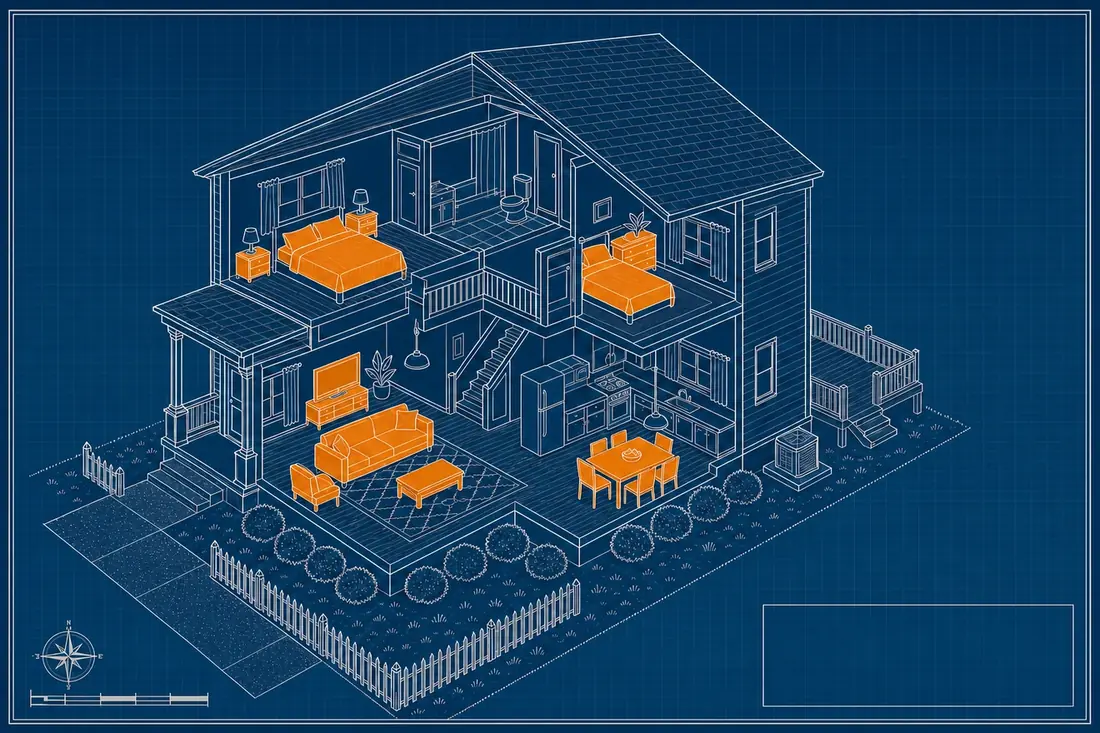
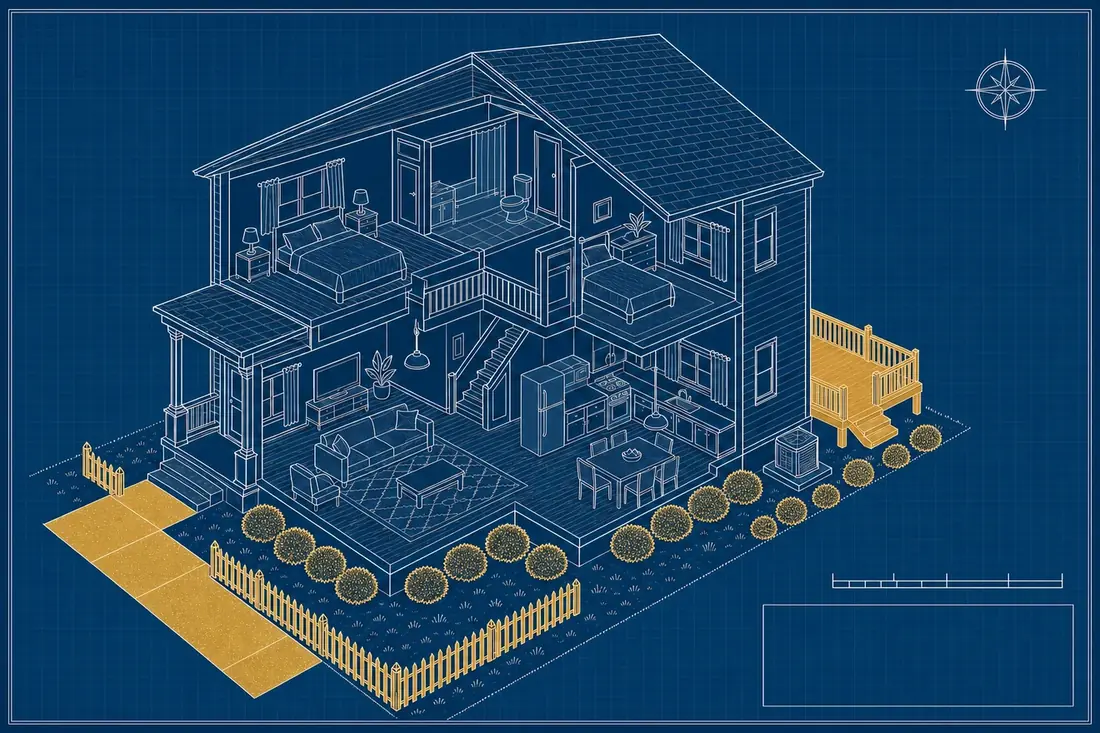
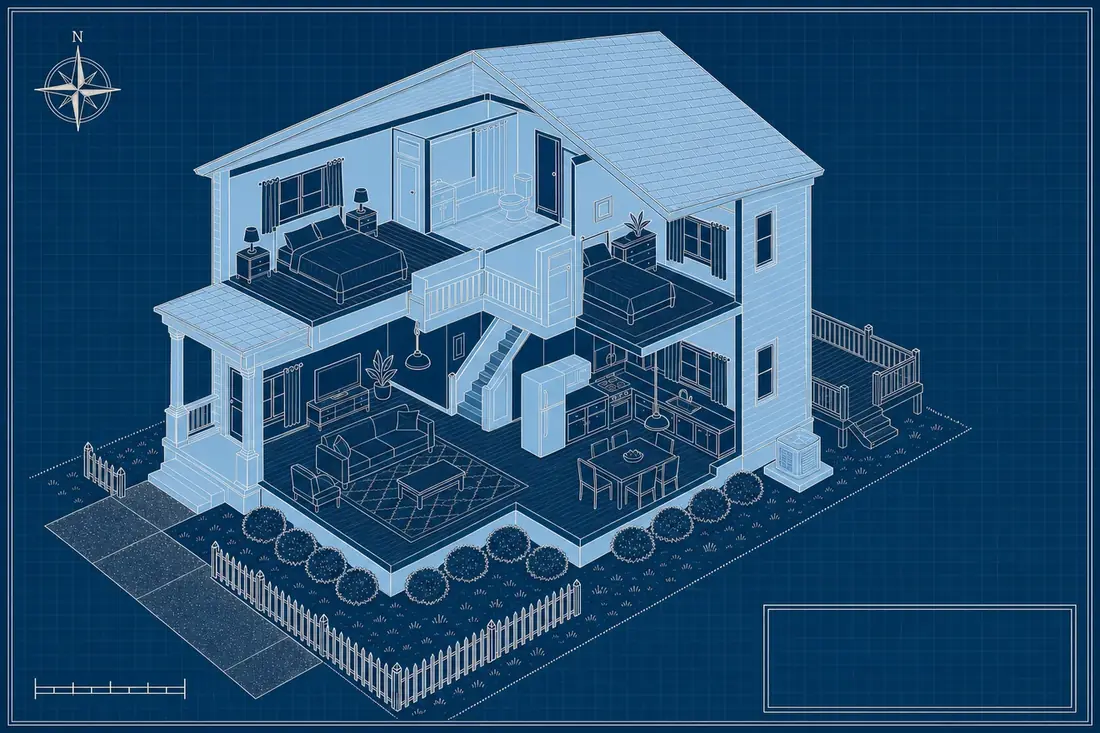
Watch a log cabin rental get built and classified A hypothetical $600,000 three-bedroom log cabin goes up floor by floor, from the gravel drive and foundation to the game loft and the hot tub on the deck. Every component lands on its depreciation schedule as it is installed, and the year-one depreciation adds up on screen. Watch the 90-second walkthrough »A sharp winter peak, a real summer second seasonBreckenridge sits in Summit County, Colorado, within drive-to range of Denver. Winter defines the market, specifically December through February, when ski season runs at its fullest, with summer functioning as a genuine but smaller second season once the snow clears. That sharper, more clearly bounded winter window is a different shape from a market where ski and lake seasons split the year closer to evenly; in Breckenridge, one season clearly dominates. Whether the structure itself sits on 27.5 or 39 years turns on the 80% dwelling-unit test, and a short-term rental averaging stays of 7 days or less generally lands on 39 (see the 27.5 or 39 years guide). 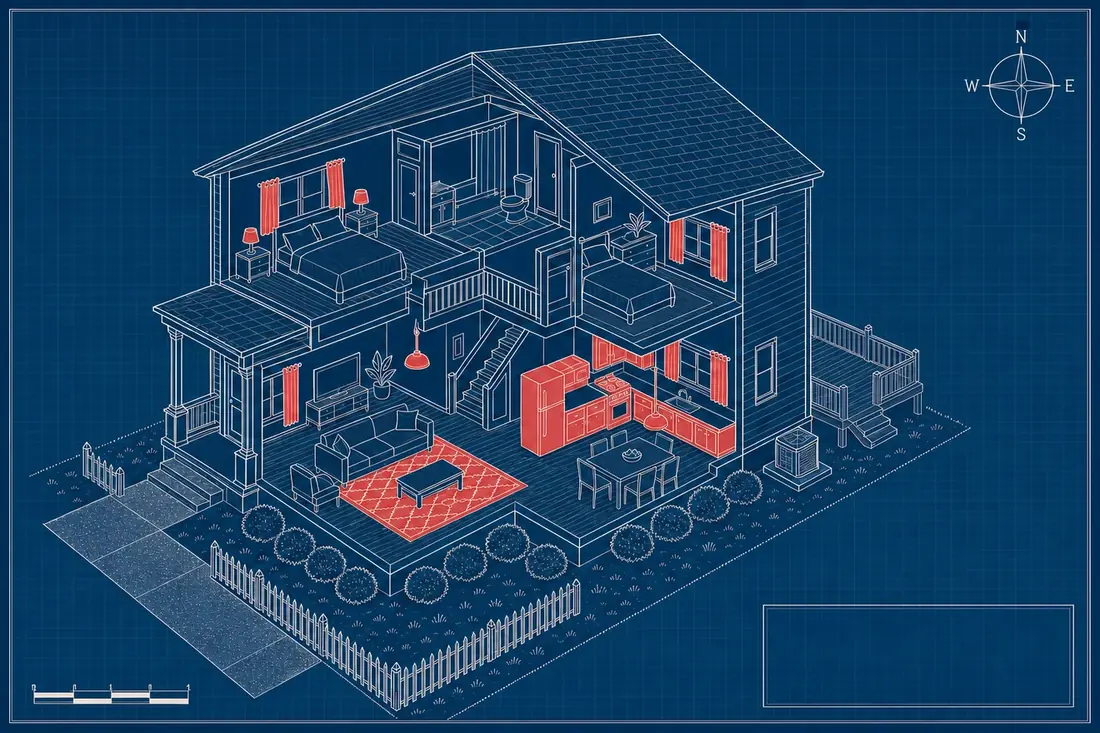
5-Year: carpet and flooring, cabinets, appliances, light fixtures, curtains 7-Year: furniture 15-Year: driveway, fencing, landscaping, deck 27.5/39-Year Shell: roof, load-bearing walls, foundation, central HVAC Get your free Preliminary Benefit Estimate See what a specific Breckenridge unit or home's components could add up to at /qualify. Request Your Free Estimate »Condo and townhome ownership: what the study actually reachesMost Breckenridge rental stock is condos and townhomes inside a resort or homeowners association, rather than standalone houses on private lots. That ownership structure matters for a study's scope: an individual owner typically holds title to the unit's interior, cabinetry, flooring, furnishings, and any dedicated systems serving that unit alone, while the building's structure, roof, elevators, and any shared amenities like a pool or clubhouse belong to the association. A study reaches what the owner's deed actually covers and stops there. A standalone mountain home outside the core resort area, less common but present in the surrounding valley, gets a fuller-scope study that also reaches its own driveway, decking, and any site work on the lot. A building-level ski locker room, common in larger Breckenridge condo developments, typically belongs to the association and stays outside an individual owner's study, distinct from a private locker or boot rack built inside the unit itself, which does enter the owner's study as 5-year property. What a Breckenridge unit or home has to reclassify
The building's roof, structural framing, and central HVAC stay on the standard schedule whether the property is a condo unit or a full house, and whether the season is winter or summer. A defined winter window and the 7-day averageA property whose average guest stay across the tax year is 7 days or less falls under the short-term rental exception in Reg. 1.469-1T(e)(3)(ii). Breckenridge's sharply bounded winter season, largely nightly and short-weekend bookings during peak weeks, carries real weight in that yearly average given how much of the total rental activity happens December through February. A secondary summer season, whether it runs nightly or in longer stretches, adds to the calculation without necessarily changing its direction. The specific result depends on that property's actual booking records for the year. Material participation is the second half of the test, generally 500-plus hours, substantially all the participation, or 100-plus hours and more than any other individual, cleaners and co-hosts included. Estimate the first-year deduction on a property hereA few questions and the building value give a preliminary first-year deduction range, using the same rule as our free calculator. The breakdown can be emailed to you, or you can book a 15-minute call. Step 1 of 3 What kind of property?
Who runs it day to day?
What is the average guest stay?
When did you buy it?
How many rentals do you own?
Across all of them, does your rental portfolio show taxable income overall?
Any of them likely to sell in the next few years?
Prefer to talk it through? Book straight from here. No form needed.
Weekend traffic versus a holiday week: how the average actually countsThe section 469 short-term rental exception averages length of stay per booking, not per season, which matters in a market shaped by a two-hour drive from Denver. A guest who drives up for a Friday-to-Sunday weekend contributes a two-night entry to the yearly average. A family that books the week between Christmas and New Year's, still a familiar pattern in a mountain resort town even as nightly booking platforms have grown, contributes a single seven-night entry covering more total nights than three separate weekend bookings combined. The same property can carry a full calendar of both patterns, weekend drive-up traffic filling most of the season and a handful of full holiday weeks anchoring the peak, and the two pull the yearly average in opposite directions. That mix is a different shape from a market near a single attraction where nearly every booking runs one or two nights regardless of season, and the yearly average rarely approaches the 7-day line at all. Where a specific Breckenridge property's actual mix lands relative to the 7-day line depends on that property's own booking history for the year, not on Summit County's general shape. A property leaning harder into short weekend turnover than long holiday-week bookings sits differently on that average than one running the reverse mix. A Breckenridge unit owned for yearsA cost segregation study is not limited to the year a Breckenridge property was purchased. A look-back study, done on a property already owned and already in service, works through Form 3115 (automatic consent to change accounting method) rather than an amended return, with a section 481(a) adjustment catching up the missed depreciation from every prior year in a single current-year deduction. That path fits a Summit County market where condos and townhomes often change hands already furnished, already carrying years of ski storage, hot tub, and interior finish history by the time a new owner, or a longtime owner, first looks into a study. The components a study finds do not change based on when the property was purchased; only the mechanism for claiming the catch-up does. Getting a number for a Breckenridge propertyOn a benchmark run for a free-standing restaurant building, a $2,804,440 basis produced $599,678 in first-year deductions for a $9,000 fee, a 66.6-to-1 ratio, a commercial example offered as a scale reference rather than a claim about residential property. A Breckenridge condo or home's own study runs at a residential fee and, on a short-term rental, is guaranteed to identify at least 30 times that fee in first-year deductions, or the study is free. The process runs on listing photos, no site visit, no owner homework list, with turnaround normally 1 to 2 weeks for a residential property, 2 to 3 weeks during tax season. Compare a Utah ski town with a different seasonal shape at the Park City page, or another Colorado resort at the Steamboat Springs page. See the rest of the vacation rental market pages, or get a free Preliminary Benefit Estimate at /qualify. Frequently asked questionsDoes a Breckenridge condo qualify for cost segregation the same way a house does? Both qualify, but scope differs. A condo or townhome study generally covers the interior components the owner holds title to, since the building structure and shared amenities usually belong to the resort or homeowners association. A standalone home's study covers the full structure and lot. Does the December-to-February peak affect the short-term rental tax test? It carries real weight in the yearly average calculation, since a large share of total rental nights happens in that window. Whether the property's full-year average stays at or under 7 days still depends on the actual mix of winter and summer bookings for that specific property. Do community amenities like a shared pool or clubhouse factor into the study? No. A study only covers what the individual owner's deed conveys. Shared amenities owned by a resort or homeowners association do not enter the calculation, regardless of how much they factor into the rental's appeal. Which county is Breckenridge in? Breckenridge sits in Summit County, Colorado, within drive-to range of Denver. How long does a Breckenridge cost segregation study take? For a residential short-term rental, normally 1 to 2 weeks, extending to 2 to 3 weeks during the busiest part of tax season, since the process works from listing photos rather than a scheduled site visit. Does cost segregation still work on a Breckenridge property owned for years, not just purchased? Yes. A look-back study on a property already in service uses Form 3115 with a section 481(a) catch-up deduction, taken in the current year instead of through amended returns. Ownership length does not change what components the study finds, only how the resulting deduction is claimed. Keep readingGet your free Preliminary Benefit Estimate Send the address or the listing link. We model the number first; you decide with it in hand. Request Your Free Estimate »Educational information, not tax advice. This page describes how federal
depreciation rules and tests work in general. Whether any rule fits your facts is a determination for
you and your CPA. Our study gives your CPA the engineering and the numbers to make that call.
Related guides: How Does Cost Segregation Work in Vacation... · Does Cost Segregation Work on a Poconos... · Cost Segregation for a Jersey Shore Rental... · Cost Segregation for a Pigeon Forge Cabin... · Cost Segregation for a Gatlinburg Rental...
More Mountain West markets: Cost Segregation for a Steamboat Springs... · Does Cost Segregation Work on a Jackson... · Does Cost Segregation Work on a Whitefish... · Does Cost Segregation Work on a Moab Rental... · Does Cost Segregation Work on a Coeur... · Does Cost Segregation Work for a Lake Tahoe... · All vacation markets
|