|
Cost Segregation for Commercial & Short-Term Rental Owners
|
Request a free estimate [email protected] |
Vacation Markets
Free Listing SEO Audit Paste your Airbnb or VRBO listing. Get a scored audit in 90 seconds. Audit My Listing »FREE Estimate Is there a first-year deduction sitting in your building? No cost, no obligation. Request Yours »Minimum ROIOur study identifies at least 20x its fee in first-year deductions on commercial property, or at least 30x on a short-term rental, or it is free. |
Cost Segregation for a Galveston Rental You Already OwnQuick answer For an owner who already holds a short-term rental on Galveston Island, in Galveston County, Texas, cost segregation works the same way it does everywhere: an engineering study separates the building's components into faster depreciation buckets instead of one slow schedule. This page is written for that owner, not as a pitch to buy a Galveston property. Whether the study makes sense depends on how long the property has been held and what the owner plans to do with it next. Own a Galveston rental? See the first-year deduction range a study would look for. 30 seconds, no email to see the range. Start the check ↓Key takeaways
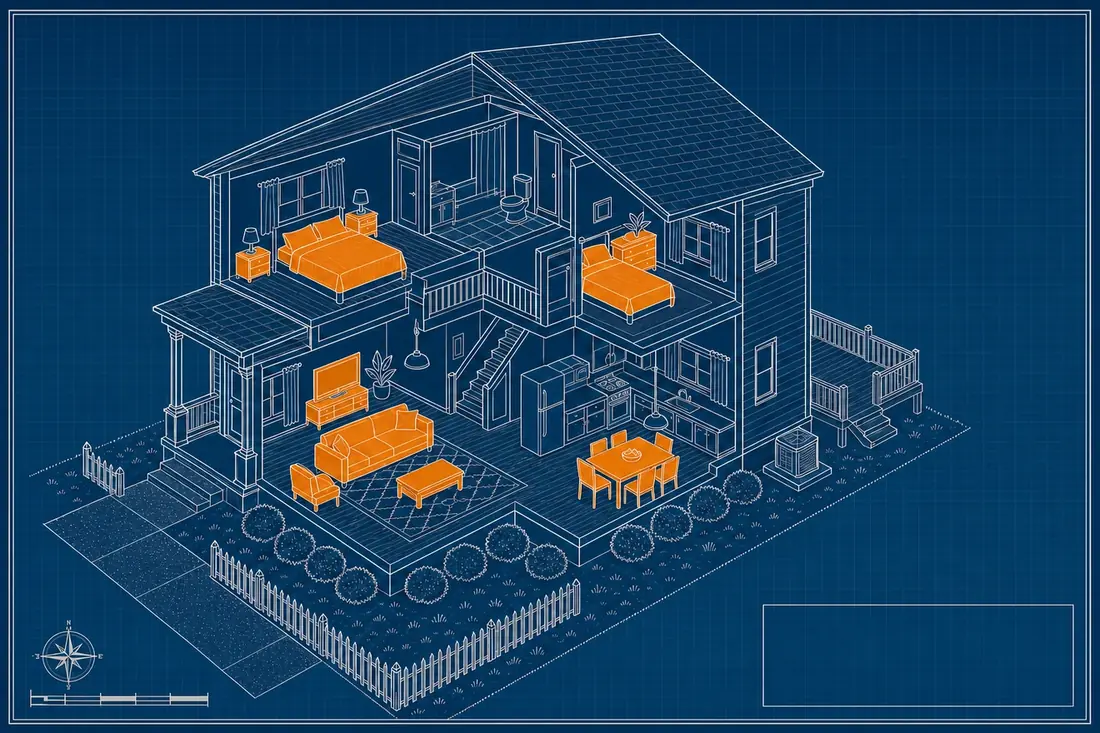
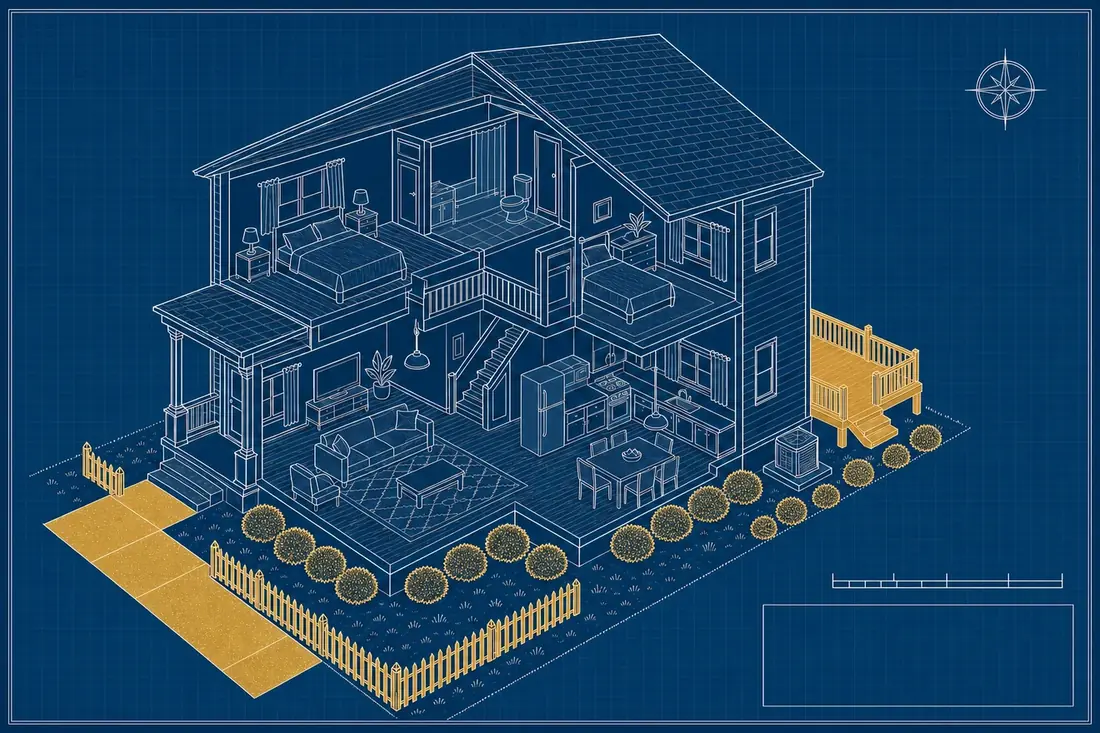
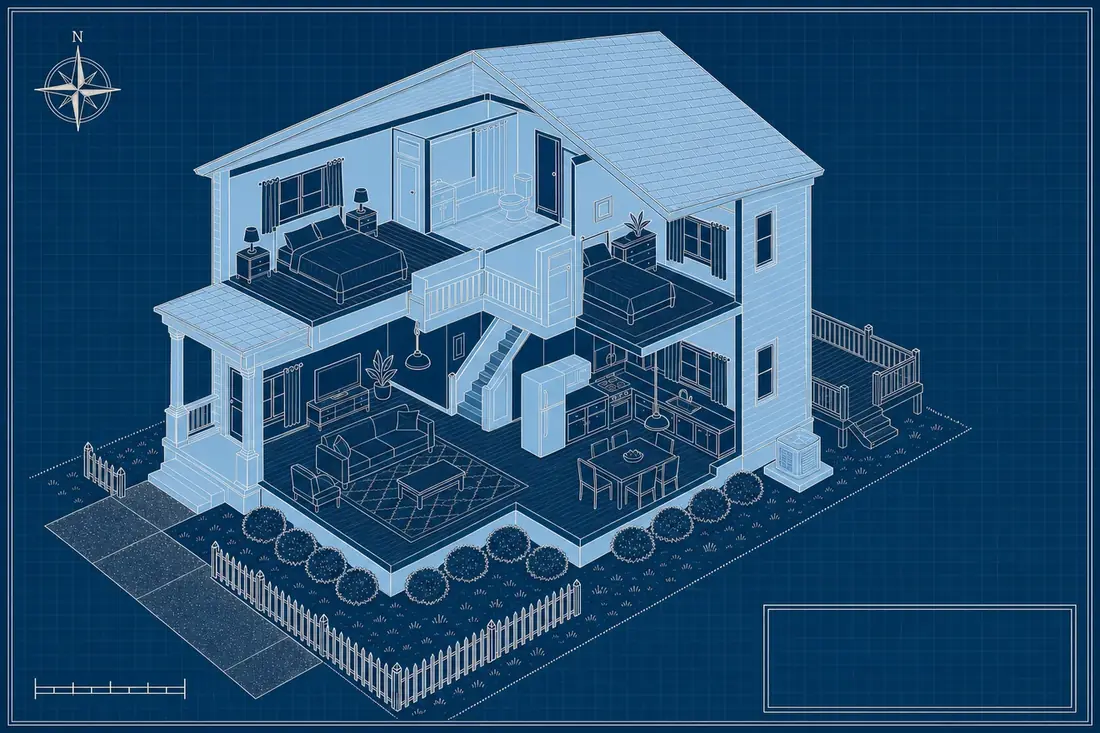
Watch a beach house rental get built and classified A hypothetical $1.4 million four-bedroom oceanfront house goes up on timber pilings, from the shell driveway and the parking level to the living floor, the porches and the terrace. Every component lands on its depreciation schedule as it is installed, and the year-one depreciation adds up on screen. Watch the 90-second walkthrough »Why This Page Is Written for Existing OwnersGalveston Island, in Galveston County, Texas, is a barrier island a short drive from Houston, which makes it one of the closer beach markets to a major metro anywhere Basis studies. Some owners are currently listing their Galveston short-term rentals rather than holding them, a fact worth naming plainly rather than ignoring. None of that changes what an engineering study finds inside a building or how the federal depreciation rules work. It does mean the more useful question for most readers of this page is not whether to buy a Galveston rental, but what to do with the one already owned, whether that means running a study for the first time, catching up on one that was never done, or understanding what happens to the depreciation already claimed if the property sells. Whether the structure itself sits on 27.5 or 39 years turns on the 80% dwelling-unit test, and a short-term rental averaging stays of 7 days or less generally lands on 39 (see the 27.5 or 39 years guide). 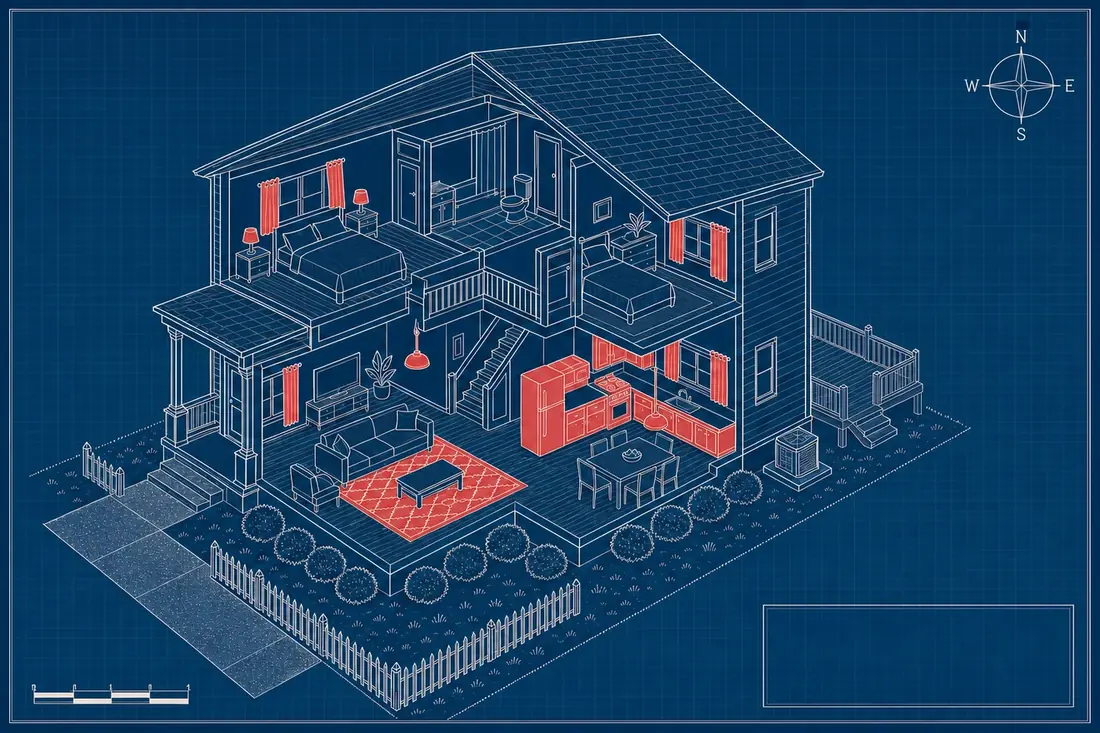
5-Year: carpet and flooring, cabinets, appliances, light fixtures, curtains 7-Year: furniture 15-Year: driveway, fencing, landscaping, deck 27.5/39-Year Shell: roof, load-bearing walls, foundation, central HVAC Get your free Preliminary Benefit Estimate See the likely first-year number for a Galveston rental with the free estimate at /qualify/. Request Your Free Estimate »A Look-Back Study for a Property Already OwnedAn owner who bought a Galveston rental years ago and never ran a cost segregation study has not missed a one-time window. A look-back study applies the same engineering classification to a property already in service, then claims the depreciation that should have applied all along through Form 3115, an automatic consent procedure. The catch-up amount comes through as a section 481(a) deduction taken entirely in the current tax year, no amended returns required. How the look-back process actually works covers the filing mechanics in full. What a Study Finds Inside a Beach PropertyThe component classification on a Galveston rental follows the same national buckets as any other short-term rental: cabinetry, appliances, flooring, and window treatments are common 5-year property; furniture and certain fixtures often land in 7-year property; the driveway, fencing, landscaping, and outdoor lighting are generally 15-year land improvements. The structural shell, framing, the roof, and the central HVAC system stay on the 27.5/39-year schedule, the same as anywhere else; being on a barrier island does not move a structural roof into a faster bucket. A study typically shifts 15 to 35% of a property's basis into the faster three schedules. Coastal Construction and Salt-Exposed ComponentsA Galveston Island property built to current flood-zone requirements typically sits on an elevated foundation, piers or pilings raising the living space above grade, with exterior stairs running up to the main entry and a covered or open deck wrapping part of the structure. The elevated foundation and the stairs that are structurally part of reaching the building are generally treated as part of the 27.5/39-year shell, the same as a slab-built house inland; being required by flood-zone construction rules does not move a structural component into a faster bucket. A ground-level area used for parking or storage under an elevated home, separate from the living structure above it, and decking built on grade rather than as structural stairs, generally lands in the 15-year land improvement category instead. Impact-rated windows and doors, increasingly standard on new coastal construction here, are generally structural components as well, part of the building envelope rather than separately fast-depreciating equipment. Salt air also does real, practical work on a barrier-island property regardless of depreciation category: exterior HVAC condensers, railings, and door hardware corrode faster near open salt water than the same equipment fifty miles inland, which means a Galveston owner tends to replace those components more often. Every one of those replacements is a fresh partial asset disposition opportunity, the one-year election described above, on a schedule this market triggers more often than most simply because the coastal air wears equipment out faster. Estimate the first-year deduction on a property hereA few questions and the building value give a preliminary first-year deduction range, using the same rule as our free calculator. The breakdown can be emailed to you, or you can book a 15-minute call. Step 1 of 3 What kind of property?
Who runs it day to day?
What is the average guest stay?
When did you buy it?
How many rentals do you own?
Across all of them, does your rental portfolio show taxable income overall?
Any of them likely to sell in the next few years?
Prefer to talk it through? Book straight from here. No form needed.
Selling Into a Slower Market: Recapture and the 1031 QuestionSome Galveston owners are currently weighing an exit rather than a long-term hold, and a slower market changes the sale price question, not the tax mechanics that follow a sale. Depreciation taken on 5- and 7-year personal property is recaptured at ordinary rates when the property sells; depreciation on the 27.5/39-year real property is unrecaptured section 1250 gain, taxed at up to 25%. A 1031 exchange can defer both of those, including on a property that already went through a cost segregation study, when the replacement property rules are met. How a 1031 exchange interacts with recapture covers the mechanic in more depth, and what to check before listing a studied property is worth reading ahead of a sale, not after an offer is already on the table. Material Participation for a Houston-Based OwnerHouston sits close enough to Galveston that an owner can plausibly handle turnovers, guest communication, and maintenance calls personally, a different position than an owner living several hours from their rental. That matters for material participation under section 469, once a property's average stay clears the 7-day line: the tests are 500 hours of participation, substantially all the participation in the activity, or 100 hours combined with more than any other individual, including a property manager. An owner close enough to be genuinely hands-on has more paths to clearing one of those tests than an owner who is realistically never on site, though which test actually fits is a determination for that owner's CPA, not for this page. The Buckets, One More Time27.5/39 yrstructural shell, roof, HVAC 15 yrpaving, fencing, landscaping 5-7 yrcabinetry, appliances, furniture There is no 9-year class in the federal system; every component lands in one of the categories above depending on what it specifically is, decided by engineering review rather than assumption. That review is the same whether the property was bought last year or held for a decade, and whether the owner plans to keep renting it or list it next season. Getting a Number Either WayThe guarantee applies the same way to a first-time study or a look-back: our study identifies at least 30 times its fee in first-year deductions on a short-term rental, or the study is free. A free Preliminary Benefit Estimate models the likely number from listing photos, no site visit, before any commitment, whether the plan is to keep the property or list it. See other beach and coastal markets or start the 60-second qualifier at /qualify/. Frequently asked questionsCan I still benefit from cost segregation if I've owned my Galveston rental for years? Yes. A look-back study claims the depreciation the property should have received all along through Form 3115, with a section 481(a) catch-up taken in the current tax year. There is no deadline tied to years of ownership. What happens to my depreciation if I sell my Galveston short-term rental? Depreciation on 5- and 7-year personal property is recaptured at ordinary rates on sale, while depreciation on the 27.5/39-year real property is unrecaptured section 1250 gain, taxed up to 25%. A 1031 exchange can defer both if the replacement property rules are met. Does being on a barrier island change how a property's roof depreciates? No. A structural roof and a building's central HVAC system stay on the 27.5/39-year schedule regardless of location. Location does not move a structural component into a faster depreciation bucket. Is now a bad time to run a cost segregation study because the Galveston market is soft? Market conditions affect sale prices, not depreciation mechanics. A cost segregation study values the building's components for depreciation purposes, a separate question from what the property might sell for in the current market. Can I do a cost segregation study and still sell the property soon after? Yes, though a sale triggers depreciation recapture on the accelerated deductions, so it's worth reviewing the recapture and 1031 exchange mechanics before listing, not after an offer is already in hand. Do I need to be a real estate professional to use these deductions against other income? Not necessarily. The short-term rental exception under section 469 offers a second path: an average guest stay of 7 days or less, combined with material participation, without needing real estate professional status. Which path fits a specific owner is a question for their CPA. Keep readingGet your free Preliminary Benefit Estimate Send the address or the listing link. We model the number first; you decide with it in hand. Request Your Free Estimate »Educational information, not tax advice. This page describes how federal
depreciation rules and tests work in general. Whether any rule fits your facts is a determination for
you and your CPA. Our study gives your CPA the engineering and the numbers to make that call.
|