|
Cost Segregation for Commercial & Short-Term Rental Owners
|
Request a free estimate [email protected] |
Vacation Markets
Free Listing SEO Audit Paste your Airbnb or VRBO listing. Get a scored audit in 90 seconds. Audit My Listing »FREE Estimate Is there a first-year deduction sitting in your building? No cost, no obligation. Request Yours »Minimum ROIOur study identifies at least 20x its fee in first-year deductions on commercial property, or at least 30x on a short-term rental, or it is free. |
Cost Segregation for a New River Gorge Rental PropertyQuick answer Cost segregation on a New River Gorge rental, in Fayette County, West Virginia, applies the same national mechanics as any short-term rental: components split into 5-, 7-, and 15-year buckets ahead of the 27.5/39-year structural shell. The spring-through-fall whitewater, climbing, and hiking season does not need to run all year for the tax tests to apply, and a property built to sleep a group typically carries more of its basis in the faster-depreciating buckets. Own a New River Gorge rental? See the first-year deduction range a study would look for. 30 seconds, no email to see the range. Start the check ↓Key takeaways
Watch a log cabin rental get built and classified A hypothetical $600,000 three-bedroom log cabin goes up floor by floor, from the gravel drive and foundation to the game loft and the hot tub on the deck. Every component lands on its depreciation schedule as it is installed, and the year-one depreciation adds up on screen. Watch the 90-second walkthrough »Cost Segregation for a New River Gorge RentalThe New River Gorge area, in Fayette County, West Virginia, runs on a spring-through-fall season built around whitewater rafting, climbing, and hiking, with Charleston, Pittsburgh, and an extended pull from the DC area all functioning as drive-to markets. A cost segregation study on a rental here works through the same national mechanics as any other short-term rental: an engineering study separates a property's components into 5-, 7-, and 15-year buckets from the structural shell that stays on the 27.5/39-year schedule. What is worth addressing directly is what a defined outdoor-recreation season, rather than a year-round calendar, does to the tax tests built around rental activity. Whether the structure itself sits on 27.5 or 39 years turns on the 80% dwelling-unit test, and a short-term rental averaging stays of 7 days or less generally lands on 39 (see the 27.5 or 39 years guide). 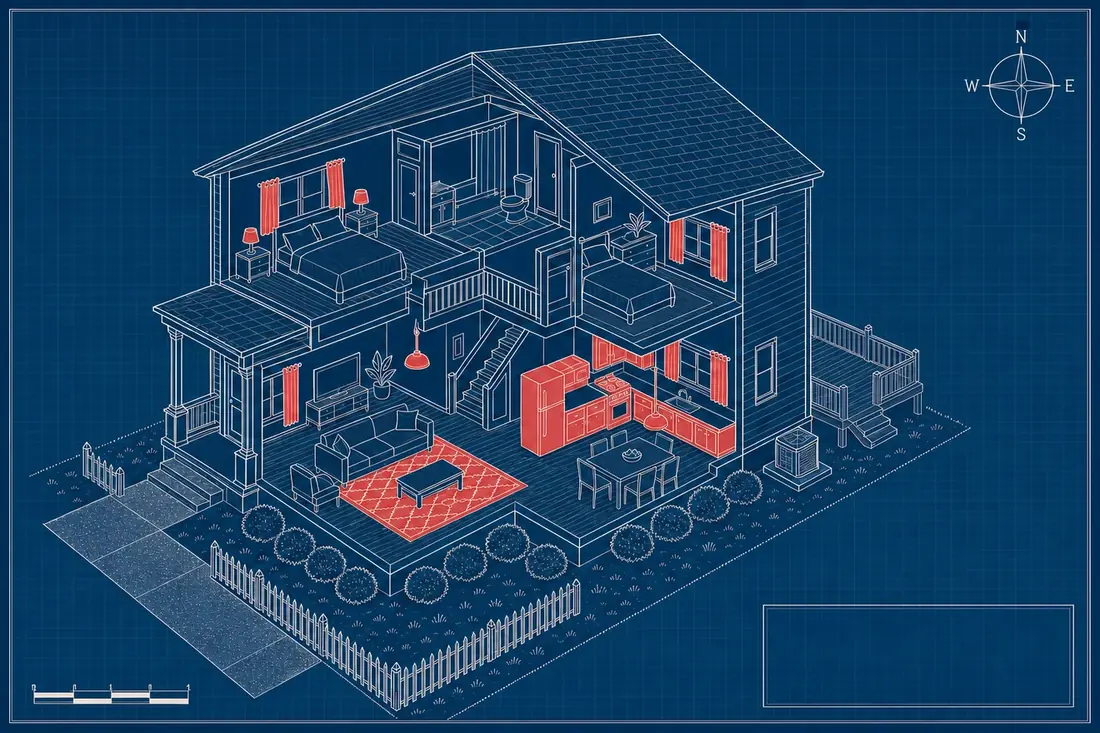
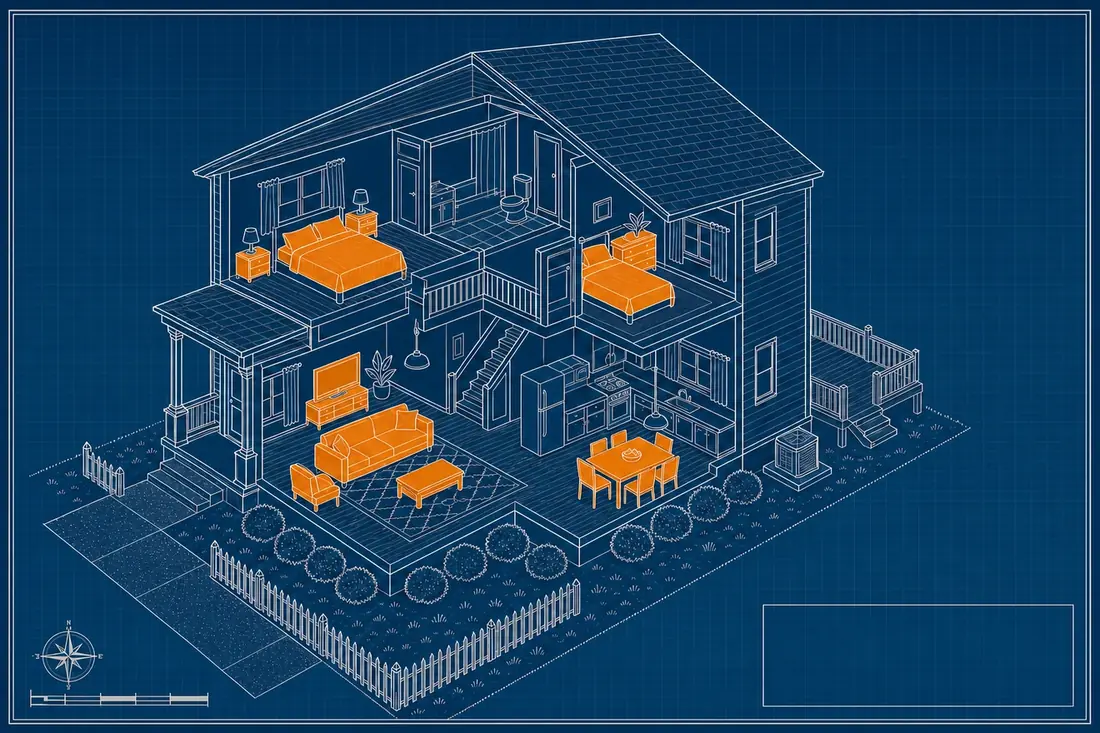
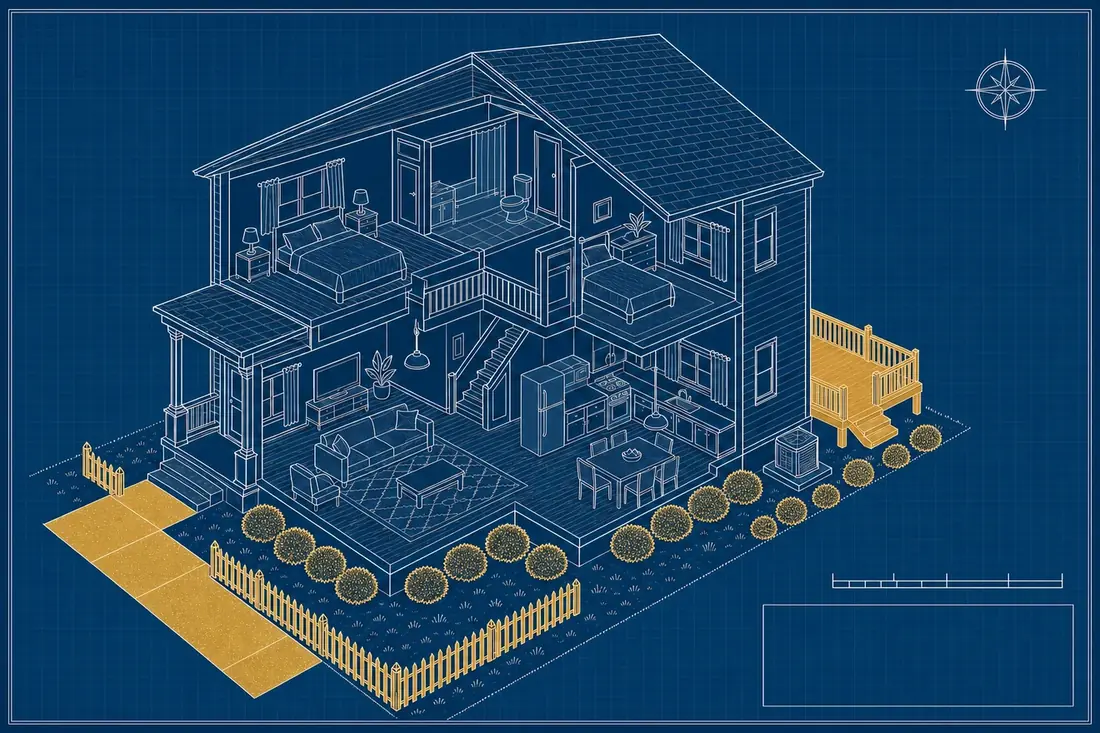
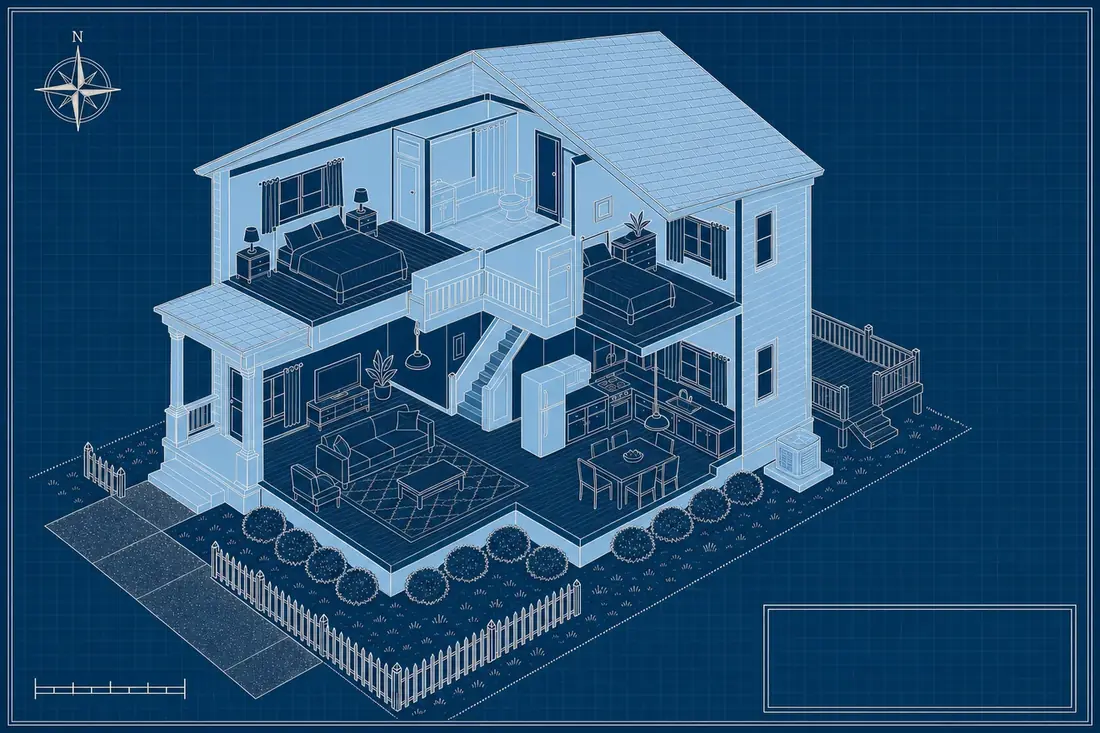
5-Year: carpet and flooring, cabinets, appliances, light fixtures, curtains 7-Year: furniture 15-Year: driveway, fencing, landscaping, deck 27.5/39-Year Shell: roof, load-bearing walls, foundation, central HVAC Get your free Preliminary Benefit Estimate See the likely first-year number for a New River Gorge rental with the free estimate at /qualify/. Request Your Free Estimate »A Defined Season Does Not Need to Run All YearNeither the depreciation rules nor the section 469 short-term rental exception require a property to rent every month of the year. The exception's average-stay test looks at the actual stays that happen during the testing period, generally the tax year; a property that only realistically rents from spring through fall, when rafting, climbing, and hiking traffic is actually moving through the gorge, is tested on those stays, not penalized for a quiet winter. The same is true of depreciation generally: a property placed in service and held out for rental keeps depreciating through its off months the same as during its busy season. Group Lodging and Why Furniture Load Matters to a StudyA property built to sleep a rafting group, a climbing party, or a multi-family hiking trip typically carries more bunks, more seating, more kitchen capacity, and more furniture generally than a small studio condo of the same square footage. That matters mechanically: furniture and cabinetry are common candidates for the 5-year and 7-year buckets, so a property furnished for a group often has more of its basis in that faster-depreciating category than a comparably sized property furnished for a couple. This is a general feature of how group-capacity properties get classified, not a New River Gorge-specific number, but it is exactly the kind of property style common in an outdoor-recreation drive-to market like this one. The Bucket Breakdown, in FullA typical New River Gorge rental study sorts components into four categories:
A deck built for gorge views, common on a property positioned for the scenery outdoor-recreation guests come for, is generally a 15-year land improvement when built on grade, the same category as the paving and fencing already listed above. A study typically shifts 15 to 35% of a property's basis into the first three buckets, and a heavily furnished group lodge tends to sit toward the higher end of that range. Estimate the first-year deduction on a property hereA few questions and the building value give a preliminary first-year deduction range, using the same rule as our free calculator. The breakdown can be emailed to you, or you can book a 15-minute call. Step 1 of 3 What kind of property?
Who runs it day to day?
What is the average guest stay?
When did you buy it?
How many rentals do you own?
Across all of them, does your rental portfolio show taxable income overall?
Any of them likely to sell in the next few years?
Prefer to talk it through? Book straight from here. No form needed.
Off-Grid and Gravel-Access ComponentsA lot of New River Gorge rental property sits well outside any municipal water or sewer line, reached by gravel or unpaved access roads running back from the state highway. A well and a septic system are generally site utilities, the same 15-year land improvement category as paving, fencing, or outdoor lighting, rather than part of the structural shell. A gravel driveway or access road sits in that same category. A detached structure built for gear storage, a shed for rafting equipment, climbing gear, or firewood, common on a property built for an outdoor-recreation crowd, is generally evaluated on its own terms depending on its size and use rather than folded automatically into the house itself. None of these components are unique to this market in kind; a well and septic system get the same treatment anywhere a property sits outside municipal service. They simply show up on a much larger share of New River Gorge properties than on a typical suburban short-term rental, since so much of Fayette County's rental stock sits back from town on its own systems. A propane tank serving the property, common where a natural gas line doesn't reach a rural parcel, is generally its own piece of equipment, separate from the structural heating system it feeds, which is itself part of the 27.5/39-year shell regardless of what fuels it. Material Participation for an Outdoor-Recreation RentalOnce a property's average stay clears 7 days or less, material participation decides whether losses are non-passive: 500 hours of participation, substantially all the participation in the activity, or 100 hours combined with more than any other individual, including a local property manager or caretaker common in a seasonal outdoor market like this one. Which test fits a specific owner, especially one driving in from Pittsburgh or the DC area rather than living in Fayette County, is a determination for that owner's CPA. A full breakdown of the material participation tests covers how each one is actually counted. Getting a Number for a Gorge-Area PropertyNone of the above changes the guarantee: our study identifies at least 30 times its fee in first-year deductions on a short-term rental, or the study is free. A free Preliminary Benefit Estimate models a specific property's likely number from listing photos, no site visit, before any commitment, built for an owner who may live in Charleston, Pittsburgh, or further away rather than in Fayette County. Whether the study is worth the fee for a specific property is answered by that same free estimate. See other seasonal and outdoor-recreation markets or start the 60-second qualifier at /qualify/. Frequently asked questionsDoes a New River Gorge rental need to be booked year-round to qualify for cost segregation? No. Cost segregation and depreciation apply based on when a property is placed in service and held out for rental, not on how many months it is actually booked. A property with a defined spring-through-fall season depreciates through its quiet months the same as its busy ones. Does a property built to sleep a large rafting or climbing group get a bigger deduction? Not automatically bigger, but often differently shaped. A property furnished for a group typically carries more furniture and cabinetry, which are common 5- and 7-year property, so more of its basis can land in the faster-depreciating buckets than a similarly priced property furnished for fewer guests. What happens to depreciation during the winter when the gorge is quiet? Depreciation continues as long as the property is placed in service and held out for rental use. A defined off-season does not pause the schedule; it just means fewer bookings happen during those months. Is there a 9-year depreciation category for gear storage or rafting equipment rooms? No. There is no 9-year class in the federal depreciation system. Storage and interior components are evaluated individually and land in the 5-year, 7-year, 15-year, or structural 27.5/39-year categories depending on what they specifically are. What's the difference between the full and budget engineered study options? Both tiers deliver a 70-page engineered report aligned with the IRS Audit Techniques Guide. The budget option is scoped for simpler properties at a lower fee; which tier fits a specific rental is part of what the free estimate sorts out before any commitment. Does a New River Gorge rental on well and septic get classified differently than one on municipal utilities? The classification category is the same either way. A well or septic system generally falls into the 15-year land improvement bucket, the same category as paving or fencing, whether a property sits on municipal service or its own systems. What differs is how many properties in this market actually carry those components at all. Keep readingGet your free Preliminary Benefit Estimate Send the address or the listing link. We model the number first; you decide with it in hand. Request Your Free Estimate »Educational information, not tax advice. This page describes how federal
depreciation rules and tests work in general. Whether any rule fits your facts is a determination for
you and your CPA. Our study gives your CPA the engineering and the numbers to make that call.
Related guides: How Does Cost Segregation Work in Vacation... · Does Cost Segregation Work on a Poconos... · Cost Segregation for a Jersey Shore Rental... · Cost Segregation for a Pigeon Forge Cabin... · Cost Segregation for a Gatlinburg Rental...
More Southern Appalachians markets: Cost Segregation for a Sevierville or Wears... · Cost Segregation for Ellijay, Georgia Cabin... · Cost Segregation for Helen, Georgia Cabins... · Cost Segregation for Hiawassee, Georgia and... · Cost Segregation for Dahlonega, Georgia... · Cost Segregation for Lake Lanier Rentals in... · All vacation markets
|