|
Cost Segregation for Commercial & Short-Term Rental Owners
|
Request a free estimate [email protected] |
Vacation Markets
Free Listing SEO Audit Paste your Airbnb or VRBO listing. Get a scored audit in 90 seconds. Audit My Listing »FREE Estimate Is there a first-year deduction sitting in your building? No cost, no obligation. Request Yours »Minimum ROIOur study identifies at least 20x its fee in first-year deductions on commercial property, or at least 30x on a short-term rental, or it is free. |
Does Cost Segregation Work on a South Padre Island Rental?Quick answer South Padre Island cost segregation works through the same mechanics as anywhere else: an engineering study reclassifies real components, furnished interiors, pool equipment, exterior finishes, off the building's 27.5/39-year schedule and onto 5-, 7-, and 15-year schedules. What makes Cameron County's market different is its two-season calendar, a short-turnover spring break rush followed by a longer summer of family bookings, both of which factor into the same yearly average-stay math that determines the short-term rental exception. Own a South Padre Island rental? See the first-year deduction range a study would look for. 30 seconds, no email to see the range. Start the check ↓Key takeaways
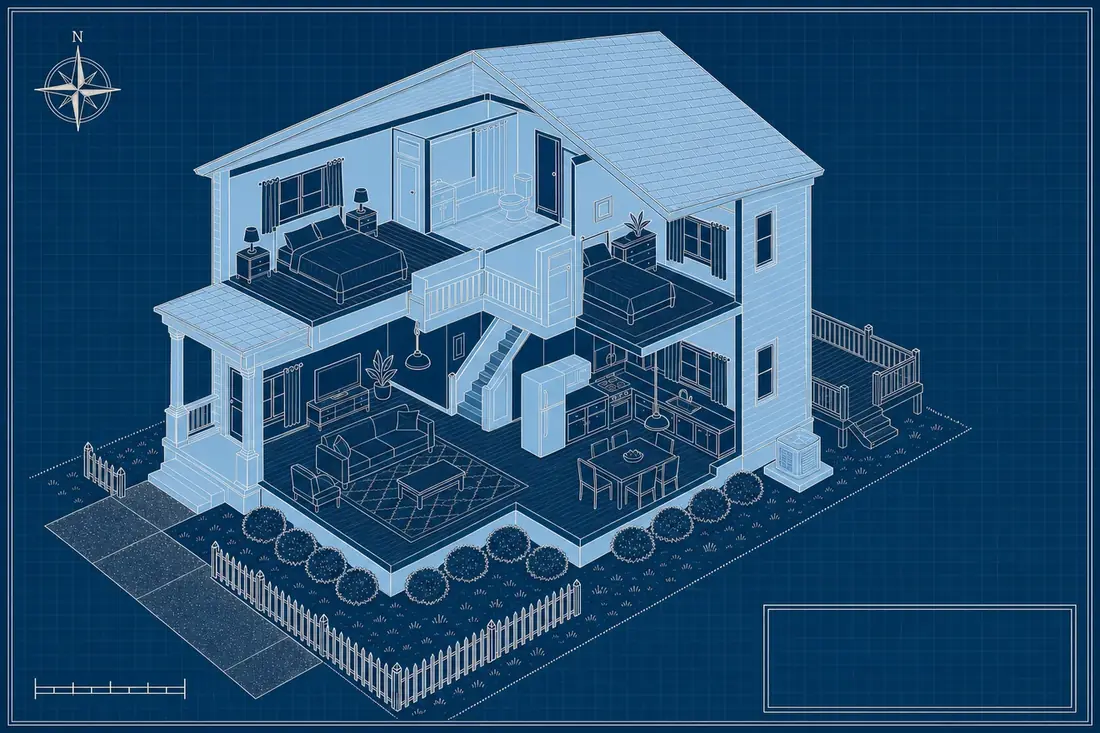
Watch a beach house rental get built and classified A hypothetical $1.4 million four-bedroom oceanfront house goes up on timber pilings, from the shell driveway and the parking level to the living floor, the porches and the terrace. Every component lands on its depreciation schedule as it is installed, and the year-one depreciation adds up on screen. Watch the 90-second walkthrough »South Padre Island as a rental marketSouth Padre Island sits in Cameron County, Texas, at the southern tip of the state's barrier-island coast, with the Rio Grande Valley feeding the closest drive-to traffic and San Antonio and Houston pulling in visitors willing to make the longer trip up the Gulf coast. The island runs on two distinct seasons rather than one long summer: a spring break surge that fills the island with short, high-turnover stays, followed by a slower ramp into a family-driven summer season that runs longer and books further ahead. Those two seasons are not the same booking pattern wearing different clothes. Spring break traffic behaves like a nightly hotel market, groups arriving for a long weekend or a few days at a time. Summer traffic behaves more like a beach-week market, families booking Saturday-to-Saturday or similar week-long blocks. A South Padre property's rental calendar carries both patterns inside the same tax year, which matters directly for the average-stay math below. Whether the structure itself sits on 27.5 or 39 years turns on the 80% dwelling-unit test, and a short-term rental averaging stays of 7 days or less generally lands on 39 (see the 27.5 or 39 years guide). 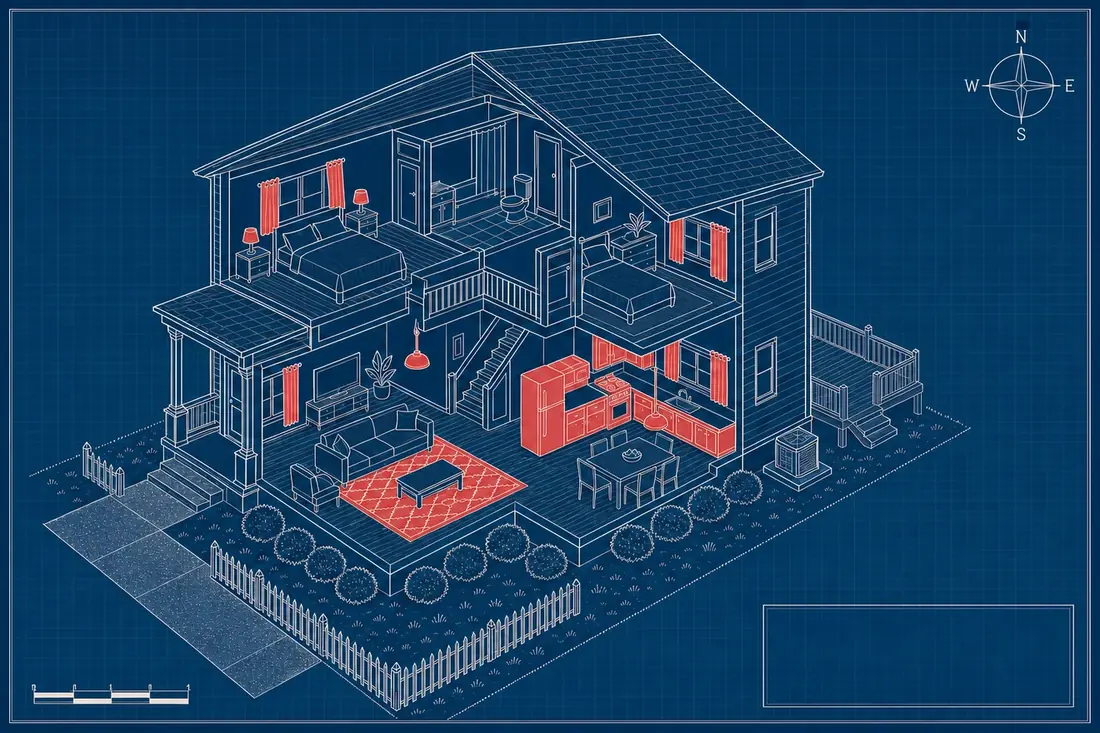
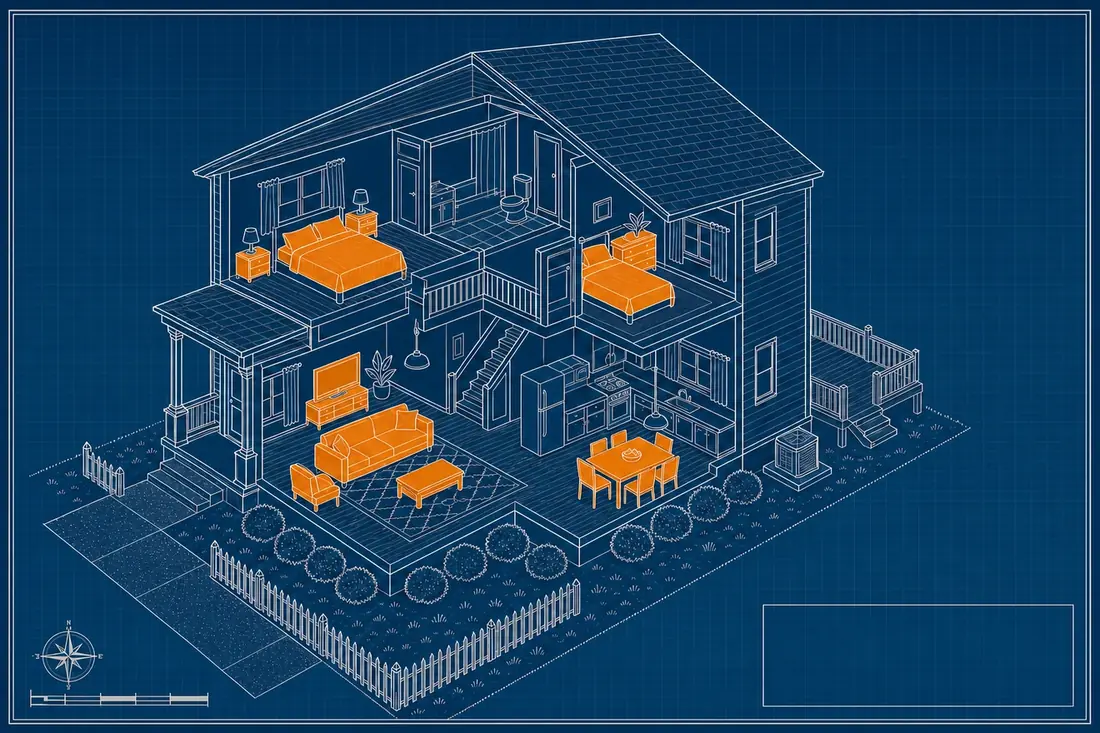
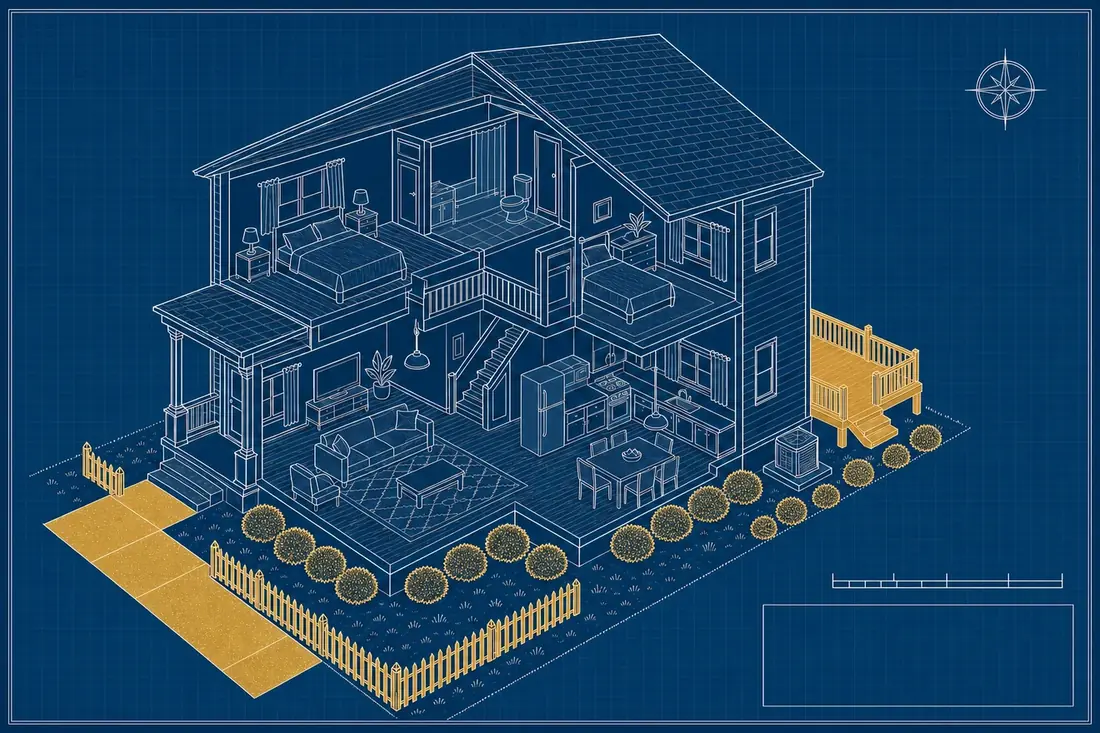
5-Year: carpet and flooring, cabinets, appliances, light fixtures, curtains 7-Year: furniture 15-Year: driveway, fencing, landscaping, deck 27.5/39-Year Shell: roof, load-bearing walls, foundation, central HVAC Get your free Preliminary Benefit Estimate See what a South Padre condo or beach house's components could add up to with the free 60-second estimate at /qualify. Request Your Free Estimate »What a South Padre rental has to reclassifyA typical South Padre rental, whether a beachfront condo unit or an elevated beach house, carries components an engineering study can move off the building's 27.5/39-year schedule:
The building's foundation, framing, and any central HVAC or elevator system stay on the 27.5/39-year schedule regardless of the amenity list around them, a distinction that holds on a barrier island the same as it does anywhere else. Spring break, summer, and the 7-day averageA property whose average guest stay across the tax year runs 7 days or less falls under the short-term rental exception in Reg. 1.469-1T(e)(3)(ii), taking it out of the standard passive rental-activity framework under section 469. South Padre's two-season calendar puts real tension into that yearly average: a heavy run of short spring break stays pulls the average down, while a summer full of week-long family bookings pulls it back up. Depending on how a specific property's calendar splits between the two seasons, and how much of the rest of the year books in between, the resulting yearly average can land in very different places from one owner's property to the next, even on the same block of the island. That is a computation run against a specific property's actual bookings across the full year, not an assumption drawn from either season in isolation. A property leaning harder into the spring break crowd sits differently on that average than one that fills its summer weeks and rents only lightly the rest of the year, the same tension the vacation rental markets hub covers across every market where two seasons pull in opposite directions. Estimate the first-year deduction on a property hereA few questions and the building value give a preliminary first-year deduction range, using the same rule as our free calculator. The breakdown can be emailed to you, or you can book a 15-minute call. Step 1 of 3 What kind of property?
Who runs it day to day?
What is the average guest stay?
When did you buy it?
How many rentals do you own?
Across all of them, does your rental portfolio show taxable income overall?
Any of them likely to sell in the next few years?
Prefer to talk it through? Book straight from here. No form needed.
Condo towers and beach houses: two different scopesSouth Padre's rental stock mixes condo towers with standalone beach houses, and that split changes the scope of a study before a single component gets classified. A condo owner generally owns the interior of the unit and whatever improvements belong specifically to it; the building's exterior walls, roof, elevators, and shared amenities like a pool deck or lobby usually belong to the condo association. A study on a unit reaches the interior, flooring, cabinetry, and the unit's own equipment, and stops at the association's boundary. A study on a standalone beach house reaches the whole structure, including the piling understructure, exterior stairs, and any ground-level improvements. That means a condo unit study runs a smaller scope than a full house, but the same classification categories, 5-year, 7-year, and 15-year, apply inside whatever boundary the owner actually owns. Personal use and family weeksPlenty of South Padre owners keep a family week or two on the calendar around the spring break and summer rush. Section 280A caps deductions once an owner's personal use exceeds the greater of 14 days or 10% of the days the property is actually rented. Whether a specific owner's mix of personal time and rental nights crosses that line is a question for that owner's CPA, who can run the actual count against the property's real bookings for the year. The process for a South Padre propertyThe study runs on the same hands-off process for a condo unit or a full beach house: interior and listing photos, the same ones already posted to Airbnb or VRBO, feed the component classification directly, no site visit and no owner homework list. Every study is custom-priced to the specific unit or house's size, age, and amenity mix, and residential turnaround normally runs 1 to 2 weeks, 2 to 3 weeks during tax season. On a short-term rental, Basis guarantees at least 30 times the fee in first-year deductions, or the study is free. A free Preliminary Benefit Estimate at /qualify models the likely number for a specific property before anyone commits to anything. For a market running the opposite calendar shape, one long steady summer peak instead of two distinct seasons, see the Coeur d'Alene page. Frequently asked questionsWhat county is South Padre Island in? South Padre Island sits in Cameron County, Texas, at the southern end of the state's Gulf coast barrier islands. Drive-to traffic comes mainly from the Rio Grande Valley, with San Antonio and Houston as the extended draw for guests making a longer trip. Does a condo unit on South Padre Island qualify for cost segregation? Yes, but the scope is limited to what the unit owner actually owns, generally the interior, flooring, cabinetry, and the unit's own equipment. The building's exterior, elevators, and shared amenities like a pool deck usually belong to the condo association and fall outside the study. How do spring break and summer both affect the short-term rental test? Spring break tends to run short, high-turnover stays, while summer tends to run longer family bookings. Both feed into the same yearly average-stay calculation that determines whether a property qualifies for the short-term rental exception, so a property's full-year mix, not either season alone, is what the test actually measures. Do pools and balconies on a South Padre rental get faster depreciation? Generally yes for the equipment and finishes involved. Pool and spa equipment typically falls into 5-year property, and balcony or deck furniture and finishes generally fall into 5- or 15-year property depending on whether the item is furniture or a built structure. The building's structural shell stays on the standard schedule. Is an elevated beach house treated differently from a condo for a study? Yes, in scope rather than mechanics. A standalone elevated house study reaches the full structure, including the piling understructure and exterior stairs, while a condo study stops at the boundary of what the unit owner actually owns inside the building. Keep readingGet your free Preliminary Benefit Estimate Send the address or the listing link. We model the number first; you decide with it in hand. Request Your Free Estimate »Educational information, not tax advice. This page describes how federal
depreciation rules and tests work in general. Whether any rule fits your facts is a determination for
you and your CPA. Our study gives your CPA the engineering and the numbers to make that call.
|