|
Cost Segregation for Commercial & Short-Term Rental Owners
|
Request a free estimate [email protected] |
Vacation Markets
Free Listing SEO Audit Paste your Airbnb or VRBO listing. Get a scored audit in 90 seconds. Audit My Listing »Minimum ROIOur study identifies at least 20x its fee in first-year deductions on commercial property, or at least 30x on a short-term rental, or it is free. |
Cost Segregation for Lake Lure and Chimney Rock, North CarolinaLake Lure and Chimney Rock sit in Rutherford County, North Carolina, a lake-and-gorge market about 25 miles southeast of Asheville, built around a man-made lake and the dramatic Hickory Nut Gorge rather than Asheville's urban food-and-arts draw. Rental property here splits between lake houses with docks and boat access and mountain cabins in the gorge itself. A cost segregation study reclassifies interior finishes, docks, and other site improvements into 5-, 7-, and 15-year schedules instead of the standard 27.5-year residential shell, the same as any other rental. Key takeaways
Steven's Take A lake house and a gorge cabin twenty-five miles from Asheville earn money off completely different features, docks and boat access on one, elevation and rock views on the other, and lumping Lake Lure in with Asheville itself would miss both. The first phone call that ever came from someone finding us through a plain search, not an ad, not a referral, was a lake-market page just like this one. That tells me owners in these smaller markets are looking for someone who actually knows their property type, not a national firm reciting the same script for a lake house and a downtown loft. A market this specific needs its own page, not a regional afterthought. Steven Ellis, Founder Watch a log cabin rental get built and classified A hypothetical $600,000 three-bedroom log cabin goes up floor by floor, from the gravel drive and foundation to the game loft and the hot tub on the deck. Every component lands on its depreciation schedule as it is installed, and the year-one depreciation adds up on screen. Watch the 90-second walkthrough »A lake and a gorge, 25 minutes from AshevilleLake Lure sits in Rutherford County, North Carolina, about 25 miles southeast of Asheville, built around a man-made lake carved out of the Hickory Nut Gorge in the 1920s. Chimney Rock, the village and the state park of the same name, sits right alongside it, known for a dramatic rock outcropping with long views down the gorge. The lake gained wider recognition as a filming location for the 1987 movie Dirty Dancing, and that visibility still shapes how visitors find the area today. Close as it is to Asheville's rental market, Lake Lure and Chimney Rock run a genuinely different draw, a lake and a gorge rather than a downtown restaurant and brewery scene. The proximity brings day-trip and weekend traffic from Asheville itself, but the rental identity here is built on the water and the rock, not the city. 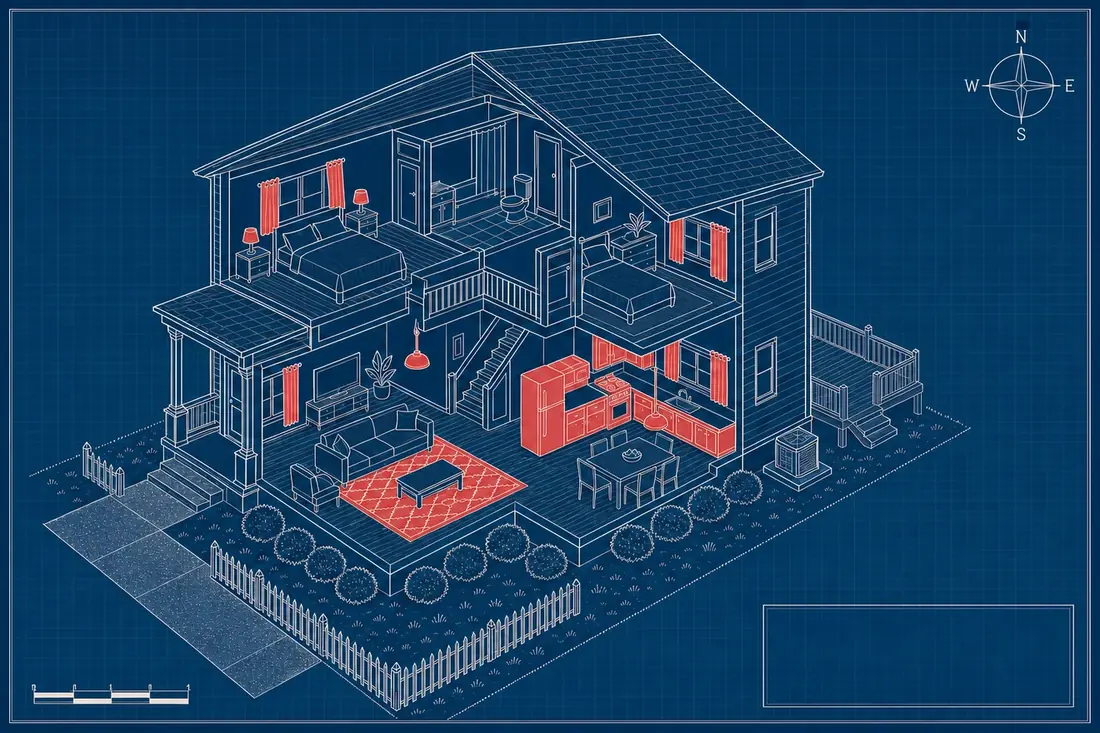
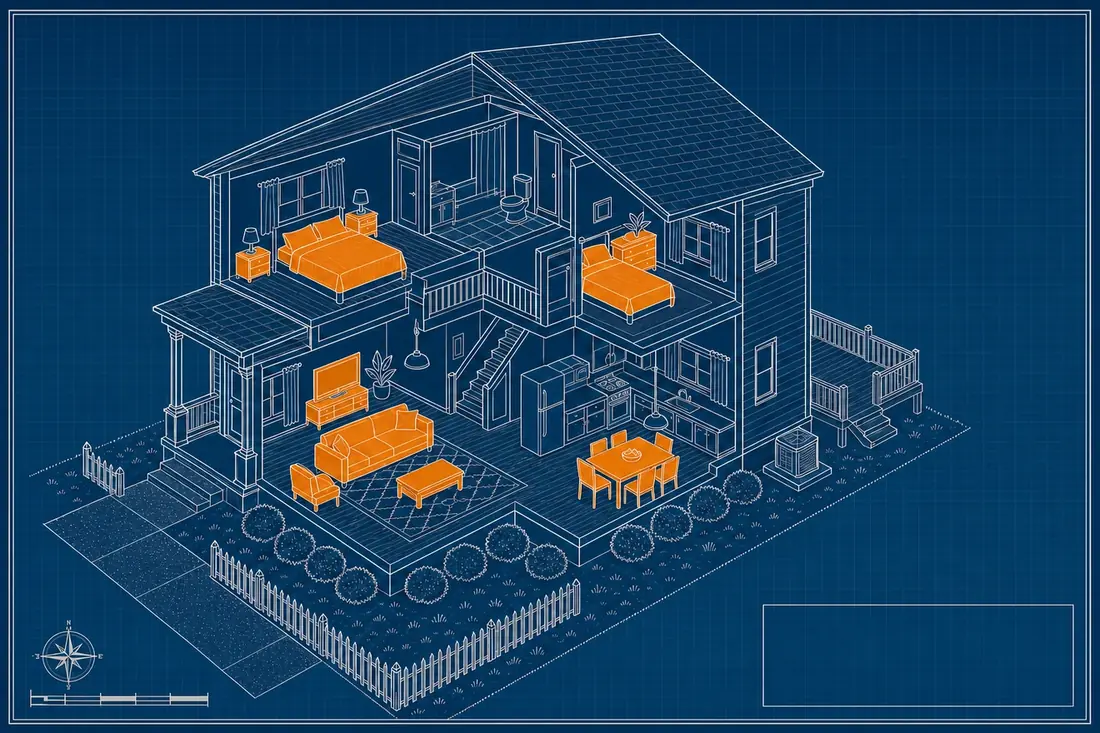
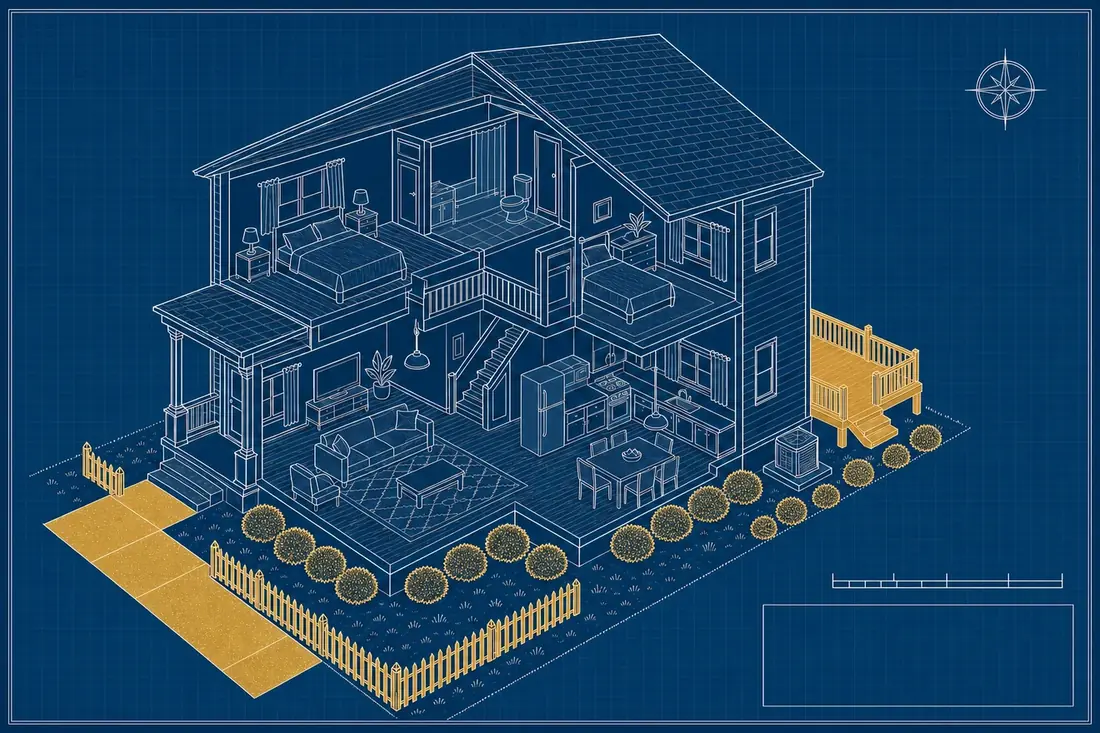
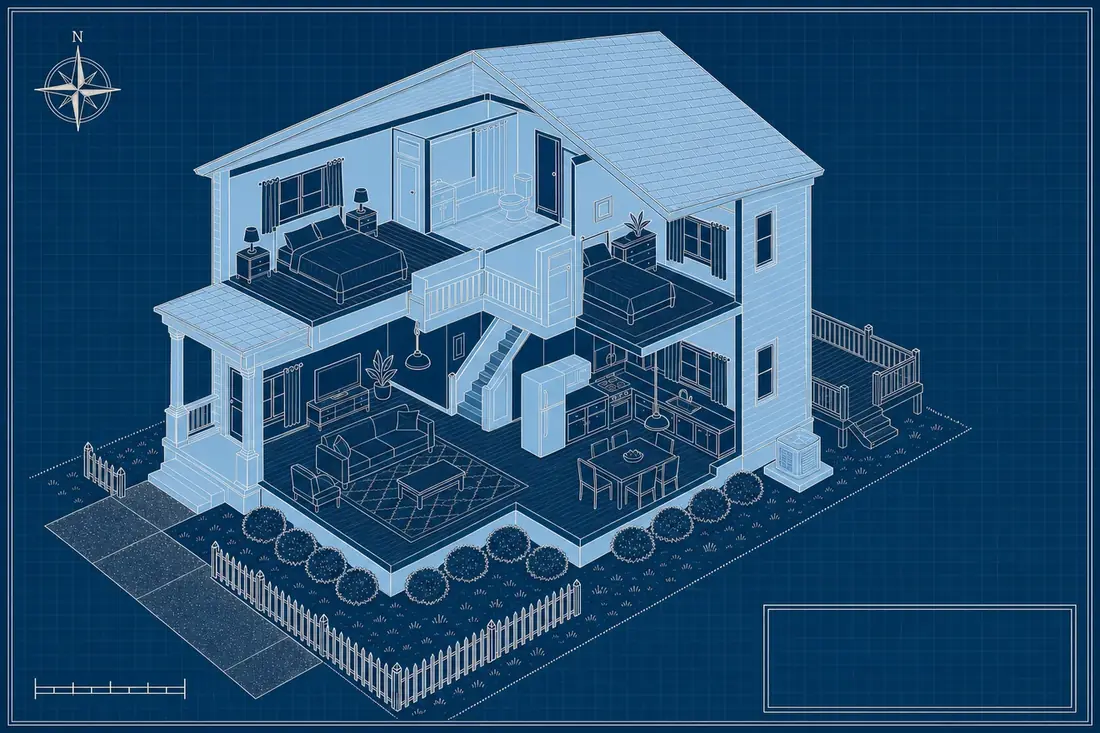
5-Year: carpet and flooring, cabinets, appliances, light fixtures, curtains 7-Year: furniture 15-Year: driveway, fencing, landscaping, deck 27.5/39-Year Shell: roof, load-bearing walls, foundation, central HVAC Get your free Preliminary Benefit Estimate See what a Lake Lure dock or Chimney Rock cabin could accelerate with the free estimate at /qualify. Request Your Free Estimate »Lake houses and gorge cabins: two different studiesA Lake Lure property with direct water access carries a component list a gorge cabin does not: a dock or boat slip, lakeside decking, sometimes a boathouse. A cabin up in the gorge itself, away from the shoreline, looks more like a standard mountain rental, decking, a fire pit, and site work suited to steeper terrain. Both property types share the same core interior categories, and both can carry meaningful land-improvement basis, just built around different features.
What a dock actually adds to the basisA dock or boat slip is a real, separately identifiable structure, not part of the house itself, and it generally depreciates as a 15-year land improvement rather than folding into the 27.5-year residential shell. The same goes for a bulkhead or retaining wall along the shoreline, and for the decking connecting a lake house to its water access. On the gorge side, the equivalent basis often shows up as retaining walls holding a steep lot in place, along with the decking and outdoor living space that make a hillside cabin usable. Neither feature is unique to this market, but a property built specifically around lake or gorge access tends to carry more of it than a flatter, simpler rental would. A lake season, a gorge season, and the 7-day testLake Lure's boating season runs the warmer months, spring through fall, and drives a mix of weekend and week-long stays typical of lake destinations. Chimney Rock State Park draws hikers on a similar but not identical calendar, with day-trip and overnight visitors spread a bit more evenly across the season. A property's average guest stay across the full tax year, the figure the short-term rental exception in Reg. 1.469-1T(e)(3)(ii) turns on, depends on how a specific property's bookings split between the two patterns and how quiet the winter months run. That average always comes from the property's own full-year booking records, not from the area's general tourism pattern.
The 60-Second Qualifier Four questions. Our engineering team's model shows the estimated first-year acceleration a study of your property would target, free, before you commit to anything. Take the Qualifier »Material participation on a property this close to homeBeing 25 miles from Asheville changes the practical math behind material participation more than it changes the depreciation rules. An owner who lives in or near Asheville and drives out to Lake Lure regularly can rack up hands-on hours, handling turnovers, dock maintenance, lawn work along the shoreline, that an owner managing a property from several states away cannot easily match. The material participation tests themselves do not care how far the owner lives from the property, 500-plus hours, substantially all the participation, or 100-plus hours and more than any other individual still apply the same way. But a short drive makes the hands-on version of that test more realistic to actually clear, especially against a property manager or cleaning crew who might otherwise log more hours than an absentee owner could. The lake itself adds its own maintenance rhythm on top of a normal rental turnover: a dock that needs periodic upkeep, water access equipment that comes out of storage each spring and goes back in each fall, tasks a gorge cabin owner without lake frontage simply does not have. Generational lake houses and personal useLake Lure's history as a resort destination dating back to the 1920s means a number of properties on the water have stayed in the same family for decades, used personally for part of the season and rented the rest. That pattern brings section 280A's personal-use threshold, the greater of 14 days or 10% of rental days, into the calculation alongside the average-stay test. Neither test changes based on how long a family has owned the lake house or how much sentimental weight it carries. Both run on that specific property's actual calendar for the year, and a cost segregation study proceeds independently of how the personal-use and participation questions eventually resolve for a given owner. Getting a number for a Lake Lure or Chimney Rock propertyEvery study, lake house or gorge cabin, is custom-priced to the specific property. A study typically shifts 15 to 35% of building basis into faster schedules, with land-improvement-heavy properties, a lake house with a dock or a cabin with extensive decking, running toward the higher end of that range. A free Preliminary Benefit Estimate at /qualify models the likely number before any commitment, and short-term rental studies work from listing photos, no site visit required. For a property owned for years already, the study runs through Form 3115 with a section 481(a) catch-up, covered in the look-back guide. See the full short-term rental overview for how the average-stay and material-participation tests work together, or the rest of the state's mountain and coastal markets on the North Carolina hub. Frequently asked questionsIs Lake Lure part of the Asheville rental market? It sits about 25 miles southeast of Asheville and draws some of the same regional traffic, but Lake Lure and Chimney Rock run their own distinct market, built around a man-made lake and the Hickory Nut Gorge rather than an urban restaurant and arts scene. Do lake houses and gorge cabins get studied differently? The core interior categories are the same for both, but a lake house typically adds dock and lakeside decking components while a gorge cabin adds more retaining-wall and hillside site work. A study accounts for whatever components the specific property actually has. Does a dock or boat slip qualify for cost segregation? Yes. A dock or boat slip is generally treated as a separate 15-year land improvement rather than part of the 27.5-year residential structure, the same category a driveway or a retaining wall falls into. Does a Lake Lure or Chimney Rock property need a site visit for the study? No, short-term rental studies work from listing photos to classify components, so there is no scheduled site visit or owner homework required for either a lake house or a gorge cabin. What are the current short-term rental rules for Lake Lure? Town and county registration and occupancy-tax rules can vary and can change over time. Check the current rules directly with the Town of Lake Lure or Rutherford County before listing a property. Keep readingGet your free Preliminary Benefit Estimate Send the address or the listing link. We model the number first; you decide with it in hand. Request Your Free Estimate »Educational information, not tax advice. This page describes how federal
depreciation rules and tests work in general. Whether any rule fits your facts is a determination for
you and your CPA. Our study gives your CPA the engineering and the numbers to make that call.
Related guides: How Does Cost Segregation Work in Vacation... · Does Cost Segregation Work on a Poconos... · Cost Segregation for a Jersey Shore Rental... · Cost Segregation for a Pigeon Forge Cabin... · Cost Segregation for a Gatlinburg Rental...
More North Carolina markets: Cost Segregation for Emerald Isle and the... · Cost Segregation for Ocean Isle and Sunset... · Cost Segregation for an Outer Banks Rental... · Cost Segregation in North Carolina · Cost Segregation for Boone and Blowing... · Cost Segregation for Cashiers, Highlands... · All vacation markets
|
Copyright © 2026 Basis Property Group | Philadelphia, Pennsylvania | Studies in all 50 states
Popular guides: Airbnb & STR | Do I Qualify? | What a Study Costs | Audit Risk | When to Do It | Real Examples
About | Careers | Guides | Articles | Site Map | Privacy Policy | Terms of Service
You are visitor 0148293 | Last updated: August 2026 | Best viewed at 1024x768
Content reviewed against IRS Publication 946, Treasury Regulation §1.168, and the IRS Cost Segregation Audit Techniques Guide. For educational purposes only; this site does not constitute tax advice. Consult your CPA before filing. Not affiliated with the IRS.