|
Cost Segregation for Commercial & Short-Term Rental Owners
|
Request a free estimate [email protected] |
Vacation Markets
Free Listing SEO Audit Paste your Airbnb or VRBO listing. Get a scored audit in 90 seconds. Audit My Listing »FREE Estimate Is there a first-year deduction sitting in your building? No cost, no obligation. Request Yours »Minimum ROIOur study identifies at least 20x its fee in first-year deductions on commercial property, or at least 30x on a short-term rental, or it is free. |
Cost Segregation for a Ruidoso Rental PropertyQuick answer Cost segregation on a Ruidoso, New Mexico rental, in Lincoln County, follows the same engineering process used everywhere: components split into 5-, 7-, and 15-year buckets ahead of the 27.5/39-year structural shell. Ruidoso's summer season and its Ski Apache winter season both count toward the section 469 average-stay test, and because many owners drive in from El Paso, Lubbock, or Albuquerque, material participation is often the harder question to work out. Own a Ruidoso, NM rental? See the first-year deduction range a study would look for. 30 seconds, no email to see the range. Start the check ↓Key takeaways
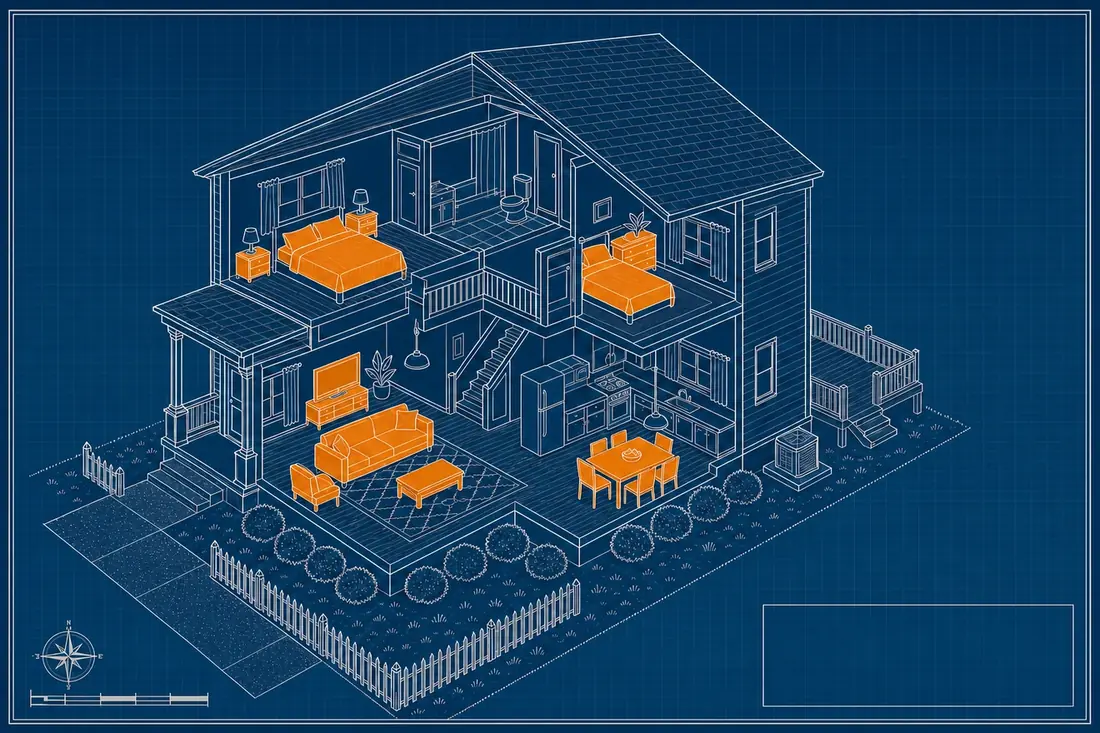
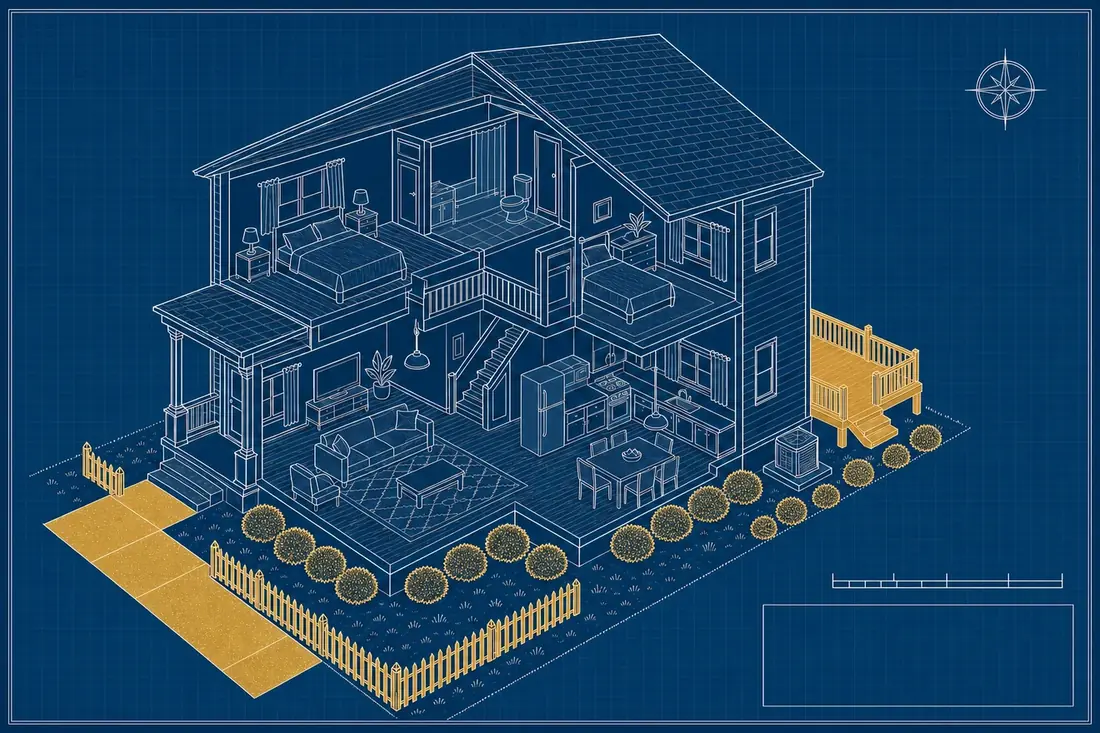
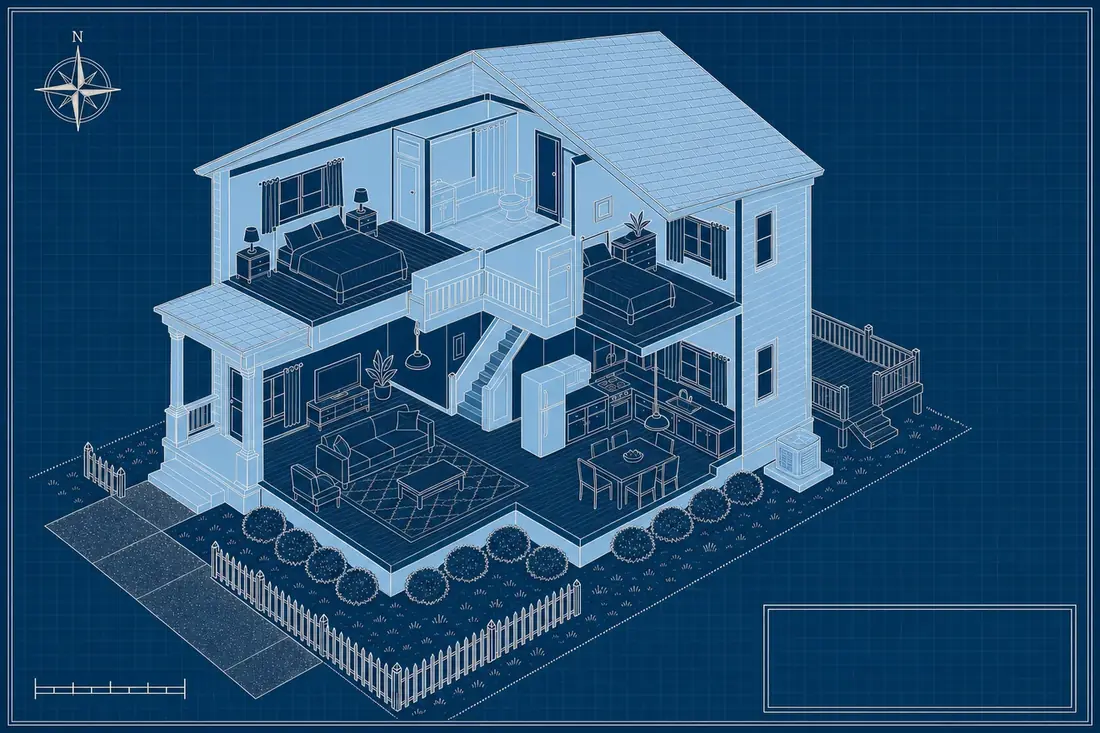
Watch a log cabin rental get built and classified A hypothetical $600,000 three-bedroom log cabin goes up floor by floor, from the gravel drive and foundation to the game loft and the hot tub on the deck. Every component lands on its depreciation schedule as it is installed, and the year-one depreciation adds up on screen. Watch the 90-second walkthrough »Cost Segregation for a Ruidoso RentalRuidoso, in Lincoln County, New Mexico, runs on two seasons: a summer season and a winter season built around Ski Apache. Owners drive in from El Paso, Albuquerque, and Lubbock, with the Texas side of that list often making the longest trip. A cost segregation study on a Ruidoso rental follows the same engineering process used everywhere, separating a property's components into faster depreciation buckets, but two things about this market are worth addressing directly: what a two-season calendar does to the short-term rental tax test, and what a long drive-to distance does to material participation. Whether the structure itself sits on 27.5 or 39 years turns on the 80% dwelling-unit test, and a short-term rental averaging stays of 7 days or less generally lands on 39 (see the 27.5 or 39 years guide). 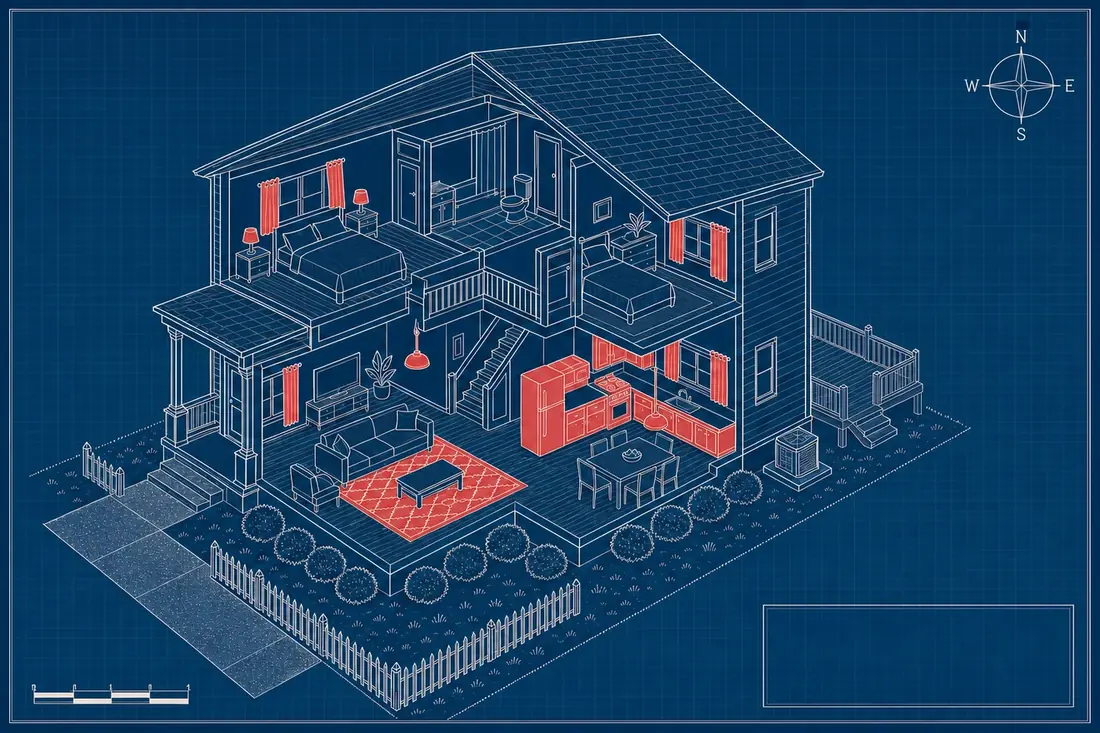
5-Year: carpet and flooring, cabinets, appliances, light fixtures, curtains 7-Year: furniture 15-Year: driveway, fencing, landscaping, deck 27.5/39-Year Shell: roof, load-bearing walls, foundation, central HVAC Get your free Preliminary Benefit Estimate See the likely first-year number for a Ruidoso rental with the free estimate at /qualify/. Request Your Free Estimate »Two Seasons, One Annual AverageThe section 469 short-term rental exception tests the average period of customer use across the full testing period, not season by season. A Ruidoso property that fills both its summer season and its Ski Apache winter season needs both counted together to find the real average, the same principle that applies to any market running more than one distinct season. Which side of the 7-day line a specific property lands on depends on its actual mix of stay lengths across the full year, not an assumption borrowed from whichever season an owner thinks of first. A Long Drive and the Property Manager ProblemEl Paso and Lubbock are not weekend trips to Ruidoso the way a closer metro might be. That distance shapes who is actually doing the work once a rental clears the average-stay prong and moves to the material participation question. The tests are 500 hours of participation, substantially all the participation in the activity, or 100 hours combined with more participation than any other individual, including cleaners, co-hosts, and property managers. A full-service property manager usually breaks the 100-hour test for the owner, simply by logging more hours on the property than a distant owner realistically can. For an owner managing a Ruidoso rental from several hours away, that makes the 500-hour or substantially-all-participation tests the more realistic path if non-passive treatment matters to that owner, rather than leaning on the comparison-to-manager test at all. Which test actually fits a specific owner's calendar and involvement is a determination for that owner's CPA. A full breakdown of the property manager question covers every angle of it. What a Study Finds Inside a Ruidoso PropertyA mountain rental built for both a summer season and a Ski Apache winter season typically carries the same component mix as any furnished short-term rental, split across three faster buckets ahead of the 27.5/39-year structural shell:
The structural shell, roof, and central HVAC or wood-stove-supplemented heating, doing real work through a New Mexico mountain winter, stay on the 27.5/39-year schedule regardless of how hard the system runs. A common misconception treats a hardworking heating system as fast-depreciating equipment; structurally, it is not, the same rule that applies to a furnace anywhere else. A study typically shifts 15 to 35% of a property's basis into the faster three buckets. More examples of what lands in each bucket covers cases beyond a mountain rental. Estimate the first-year deduction on a property hereA few questions and the building value give a preliminary first-year deduction range, using the same rule as our free calculator. The breakdown can be emailed to you, or you can book a 15-minute call. Step 1 of 3 What kind of property?
Who runs it day to day?
What is the average guest stay?
When did you buy it?
How many rentals do you own?
Across all of them, does your rental portfolio show taxable income overall?
Any of them likely to sell in the next few years?
Prefer to talk it through? Book straight from here. No form needed.
A Family's Summer Week Against a Skier's WeekendThe section 469 average-stay test counts nights per booking, not nights per season, and Ruidoso's two seasons tend to produce two different booking shapes. A family driving in from El Paso or Lubbock for a full week of summer mountain vacation contributes a single seven-night entry to the yearly average. A Ski Apache day-tripper or weekend skier booking a Friday-to-Sunday stay contributes a two-night entry covering far fewer total nights. A property that fills most of its summer calendar with full-week family bookings and its winter calendar with shorter ski weekends can carry both patterns at once, and the mix between them, not either season alone, is what the test actually measures. That is a different rhythm than a market running on nightly turnover in both seasons, or one where every booking is a quick weekend regardless of time of year. The specific split for a given Ruidoso property still comes from its own booking records, the same rule that applies to every market in this guide. A Ruidoso Property Owned for Years, Not a New PurchaseA cost segregation study is not limited to the year of purchase. A look-back study, done on a Ruidoso rental already in service for years, works through Form 3115 (automatic consent to change accounting method), with a section 481(a) adjustment catching up the missed depreciation from every prior year as a single deduction in the current tax year rather than amended returns for each year missed. That matters for the long-distance ownership pattern already common in this market. A cabin bought years ago and depreciated straight-line ever since does not fall outside a study's reach simply because the purchase predates cost segregation entering the picture; only the mechanism for claiming the resulting deduction shifts, from ordinary current-year depreciation to a look-back catch-up. A Different Ratio Than a Commercial Building, and Getting a NumberA benchmark run on a free-standing restaurant identified $599,678 in first-year deductions against a $9,000 fee, a 66.6-to-1 ratio built on a large basis. A short-term rental like a Ruidoso property has the opposite shape: a smaller total dollar figure, because the fee itself is small, and the one delivered short-term rental study we publish ran 135 to 1. The guarantee sets the floor directly: at least 30 times the fee in first-year deductions on a short-term rental, or the study is free. A free Preliminary Benefit Estimate models the number for a specific Ruidoso property from listing photos, no site visit, before any commitment. See other dual-season and mountain markets or start at /qualify/. Frequently asked questionsDoes a ski-and-summer dual season complicate the short-term rental tax test in Ruidoso? It means the average stay has to be calculated across the whole year, both the Ski Apache winter season and the summer season together, rather than assumed from one season alone. The actual average comes from the property's real booking history. Does a full-service property manager disqualify a Ruidoso rental from tax benefits? It does not disqualify the property or reduce the depreciation study's findings. It can make the 100-hours-and-more-than-anyone material participation test hard to clear, since the manager's hours count against the owner in that specific comparison, but the other two tests do not depend on that comparison. Is it worth doing a cost segregation study if I live in El Paso and rarely visit? Distance from the property does not affect the depreciation study, which works from listing photos rather than a site visit. It can affect which material participation test realistically fits, a separate question from the size of the deduction the study identifies. Does the HVAC system get faster depreciation because Ruidoso winters are hard on it? No. A building's central HVAC system is a structural component on the 27.5/39-year schedule regardless of how much use it gets. Interior finishes, furniture, and site improvements are what typically move into the 5-, 7-, and 15-year buckets. How does a residential ratio compare to a commercial cost segregation ratio? A large commercial building tends to post a smaller ratio, and our four commercial benchmark runs came in at 24-to-1 up to about 67-to-1, against a much bigger total dollar figure. A residential short-term rental runs a smaller total, and the one delivered short-term rental study we publish ran 135 to 1, because the fee itself is small. Does cost segregation still work on a Ruidoso rental bought years ago? Yes. A look-back study on a property already in service is claimed through Form 3115 with a section 481(a) catch-up deduction, taken in the current year rather than through amended returns. How long the property has been owned does not change what components the study finds, only how the resulting deduction is claimed. Keep readingGet your free Preliminary Benefit Estimate Send the address or the listing link. We model the number first; you decide with it in hand. Request Your Free Estimate »Educational information, not tax advice. This page describes how federal
depreciation rules and tests work in general. Whether any rule fits your facts is a determination for
you and your CPA. Our study gives your CPA the engineering and the numbers to make that call.
Related guides: How Does Cost Segregation Work in Vacation... · Does Cost Segregation Work on a Poconos... · Cost Segregation for a Jersey Shore Rental... · Cost Segregation for a Pigeon Forge Cabin... · Cost Segregation for a Gatlinburg Rental...
More Heartland markets: Cost Segregation for a Table Rock Lake House · Cost Segregation for a Hot Springs... · Cost Segregation for a Broken Bow Cabin Rental · Cost Segregation for Lake of the Ozarks... · Cost Segregation for a Branson-Area Rental... · Cost Segregation for a Eureka Springs... · All vacation markets
|