|
Cost Segregation for Commercial & Short-Term Rental Owners
|
Request a free estimate [email protected] |
Vacation Markets
Free Listing SEO Audit Paste your Airbnb or VRBO listing. Get a scored audit in 90 seconds. Audit My Listing »FREE Estimate Is there a first-year deduction sitting in your building? No cost, no obligation. Request Yours »Minimum ROIOur study identifies at least 20x its fee in first-year deductions on commercial property, or at least 30x on a short-term rental, or it is free. |
Cost Segregation for a Wisconsin Dells RentalQuick answer Cost segregation on a Wisconsin Dells rental, spanning Columbia and Sauk counties, reclassifies the building's components into faster depreciation buckets the same way it does anywhere. Because this market runs on short family and weekend stays year-round rather than long seasonal weeks, the 7-day average test is usually the easy half of the section 469 short-term rental exception. Material participation, tested by the owner's actual hours, is the half that decides the outcome. Own a Wisconsin Dells rental? See the first-year deduction range a study would look for. 30 seconds, no email to see the range. Start the check ↓Key takeaways
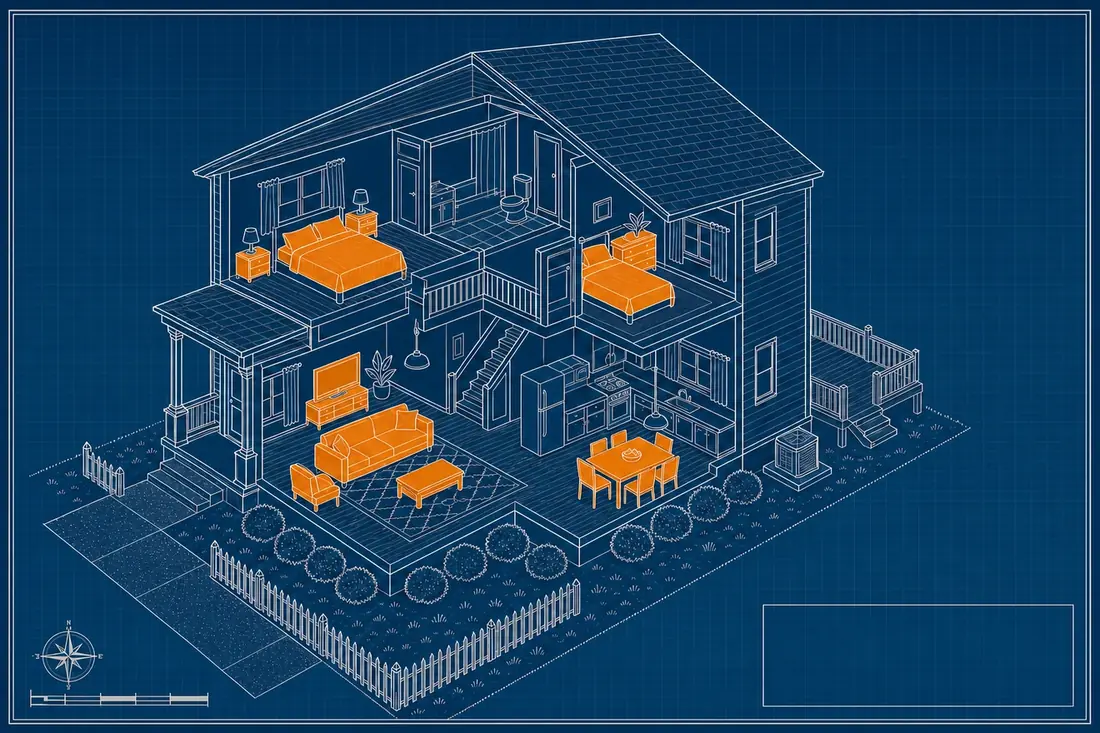
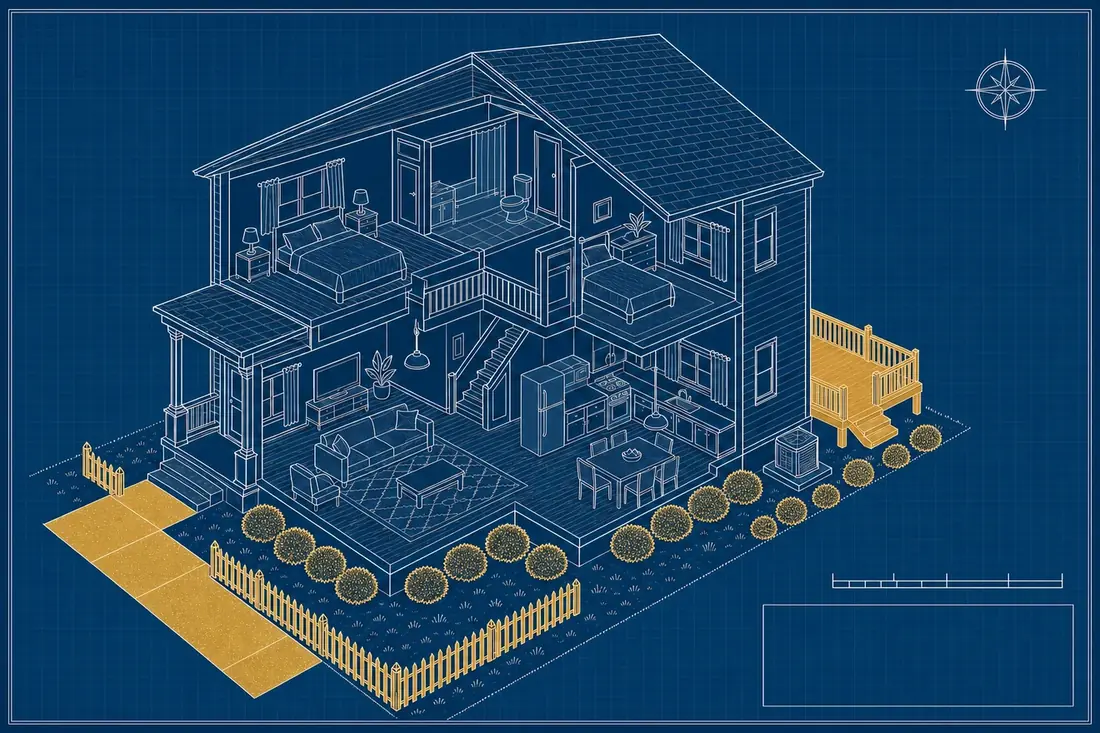
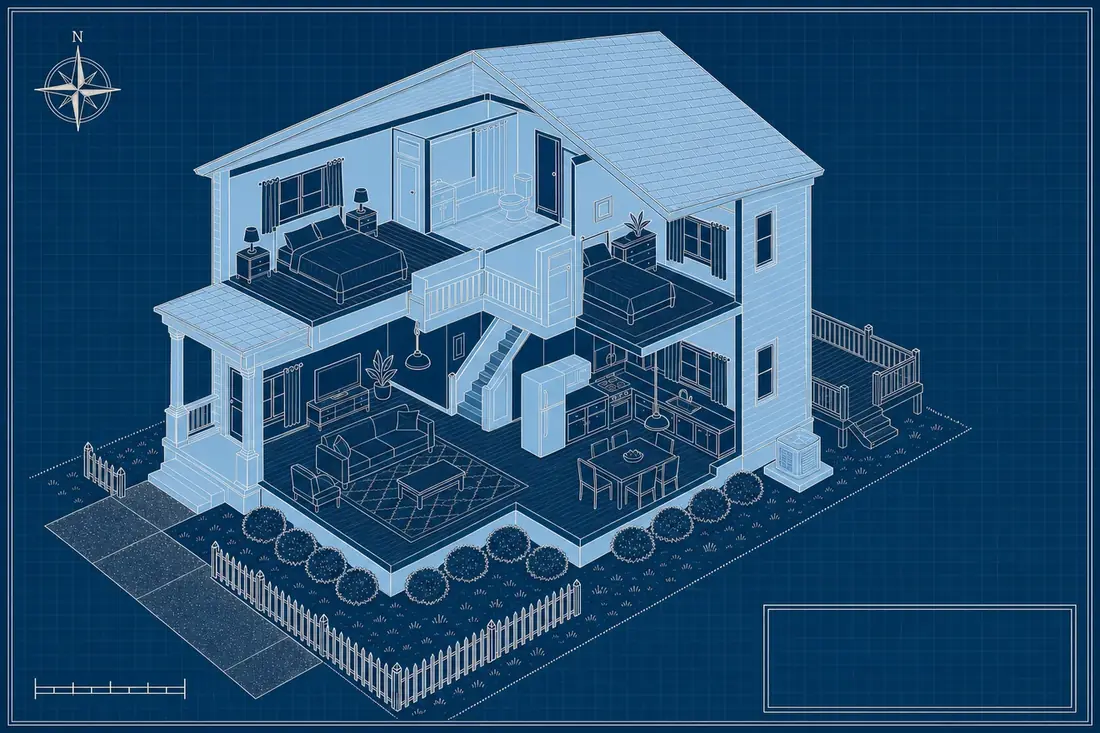
Watch a log cabin rental get built and classified A hypothetical $600,000 three-bedroom log cabin goes up floor by floor, from the gravel drive and foundation to the game loft and the hot tub on the deck. Every component lands on its depreciation schedule as it is installed, and the year-one depreciation adds up on screen. Watch the 90-second walkthrough »Cost Segregation for a Wisconsin Dells RentalWisconsin Dells draws from Columbia and Sauk counties, Wisconsin, with Milwaukee, Madison, and Chicago all functioning as drive-to metros. The area runs a summer waterpark peak around July on top of a family and weekend draw that runs year-round. A cost segregation study on a Dells rental works through the same engineering process as anywhere else: interior finishes, furniture, and site improvements get separated from the structural shell and moved onto faster depreciation schedules. What is specific to this market is which half of the short-term rental tax test actually needs the closer look. That process applies whether the property was purchased as-is, built new, or renovated since, and land value is always excluded first; only the building and its improvements depreciate. 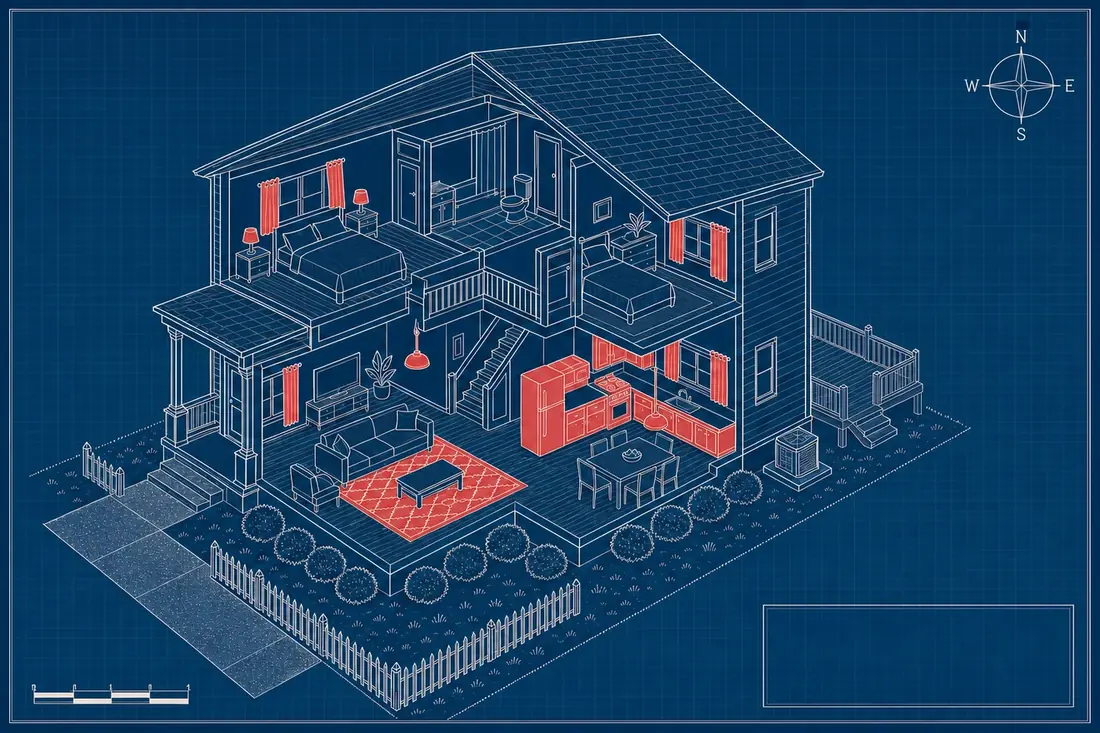
5-Year: carpet and flooring, cabinets, appliances, light fixtures, curtains 7-Year: furniture 15-Year: driveway, fencing, landscaping, deck 27.5/39-Year Shell: roof, load-bearing walls, foundation, central HVAC Get your free Preliminary Benefit Estimate See the likely first-year number for a Wisconsin Dells rental with the free estimate at /qualify/. Request Your Free Estimate »Why the Average-Stay Test Is the Easy Part in a Weekend MarketThe section 469 short-term rental exception requires an average period of customer use of 7 days or less across the testing period. In a market defined by short family and weekend trips running most of the year, rather than long weekly stays concentrated in one season, that average tends to sit well under the 7-day line without much doubt. That is different from a market split between week-long peak-season stays and short shoulder-season ones, where the average genuinely could land on either side depending on the exact mix. A Dells property built around weekend turnover is not usually the one asking whether it clears this first prong. The harder question is the second one. Material Participation: The Test That Actually Decides the Outcome HereClearing the average-stay prong only removes the rental from the default passive rental-activity bucket. The rental still needs material participation for its losses to offset other income instead of sitting suspended. Three tests come up most often:
A property that turns over most weekends, common in a family-weekend market like this one, generates a steady stream of cleaning, restocking, and guest-communication tasks. Who actually performs that work, the owner personally or a hired local team, decides which of the three tests is realistically in reach. That determination is specific to each owner's calendar and belongs with that owner's CPA. A closer look at material participation for an Airbnb host walks through how each test is actually counted. Losses that stay passive because none of the three tests are met are not lost forever; they carry forward and are generally released when the property is disposed of in a full taxable sale. Why Frequent Turnover Puts the Property Manager Question Front and CenterA property that turns over weekly or more often needs someone handling cleaning and changeover on a tight schedule, whether that is the owner personally or a hired service. Under the 100-hours-and-more-than-anyone test, a full-service manager or cleaning crew that logs more hours on a high-turnover property than the owner does becomes the deciding factor, since a full-service property manager usually breaks that particular test for the owner. That does not disqualify the property from anything; it simply points toward the 500-hour or substantially-all-participation tests as the more realistic path for an owner who is not doing the turnovers personally. Whether a property manager changes the outcome walks through the full analysis. None of this changes what the depreciation study itself finds; material participation only decides whether the resulting losses can offset other income right away. Estimate the first-year deduction on a property hereA few questions and the building value give a preliminary first-year deduction range, using the same rule as our free calculator. The breakdown can be emailed to you, or you can book a 15-minute call. Step 1 of 3 What kind of property?
Who runs it day to day?
What is the average guest stay?
When did you buy it?
How many rentals do you own?
Across all of them, does your rental portfolio show taxable income overall?
Any of them likely to sell in the next few years?
Prefer to talk it through? Book straight from here. No form needed.
How the Numbers Compare to a Commercial StudyCost segregation is often described in terms of a single ratio, deductions found against the fee paid, but that ratio moves in the opposite direction from what people expect as property size grows:
Large commercial buildings post big dollar totals against a smaller multiple of the fee. A short-term rental runs the opposite shape: smaller total dollars, because the fee itself is small, and the one delivered short-term rental study we publish ran 135 to 1. A Dells rental is priced and scoped like the residential side of that comparison, not the commercial side, and the guarantee reflects it: at least 30 times the fee in first-year deductions on a short-term rental, or the study is free. What's Actually Inside a Dells Property, and Getting a NumberInterior finishes, cabinetry, appliances, and window treatments are common 5-year property. Furniture built for a family-capacity rental, more beds, more seating, more of everything than a small studio carries, adds to that same bucket. Outside, paving, landscaping, and outdoor lighting are generally 15-year land improvements. The structural shell, roof, and central HVAC stay on the 27.5-year residential schedule. A free Preliminary Benefit Estimate models the actual number for a specific property from listing photos, no site visit required, before any commitment. Turnaround on a residential study normally runs 1 to 2 weeks, stretching to 2 to 3 weeks during tax season, with same-week and one-business-day rush delivery available for a flat upcharge. See other family and weekend-driven vacation markets or start at /qualify/. Audit Defense and the Two Study TiersEvery Basis study, whether scoped as a full engineered study or the lighter budget tier, delivers a 70-page report built to the IRS's own Audit Techniques Guide, so the documentation standard does not change based on which tier fits a specific Dells property. Each study also comes with full audit defense of the report itself: if the IRS questions the engineering behind it, the team that built the study answers those questions in writing, through the owner's CPA. That is defense of the report, not representation of the owner, whose own CPA still handles anything beyond the study's methodology. Frequently asked questionsDoes a Wisconsin Dells rental automatically qualify for short-term rental tax treatment? Qualifying requires clearing two separate tests: an average stay of 7 days or less, and material participation by the owner. A weekend-driven market often clears the first test comfortably; the second one depends on the individual owner's hours and involvement, not the market. What counts as material participation for an Airbnb near the Dells waterparks? The most common tests are 500 hours of participation, substantially all the participation in the activity, or 100 hours combined with more than any other individual, including a cleaner or property manager. Which test applies depends on the specific owner's calendar and is a question for a CPA. Does hiring a cleaning service for weekend turnovers hurt my tax treatment? It can affect the 100-hours-and-more-than-anyone test specifically, since a cleaning service's hours count in that comparison. It does not affect the other two material participation tests, and it has no effect on the depreciation study or the deductions it identifies. Is a short-term rental study worth it on a smaller Dells property? Size does not disqualify a property. The one delivered short-term rental study we publish ran 135 to 1 in deductions to fee, well above our commercial benchmark runs, because the fee itself scales down with the property. How is Columbia County different from Sauk County for tax purposes? Both counties sit in Wisconsin and follow the same federal depreciation and short-term rental rules. County lines matter for local zoning and property tax, not for how cost segregation or the section 469 tests work. Keep readingGet your free Preliminary Benefit Estimate Send the address or the listing link. We model the number first; you decide with it in hand. Request Your Free Estimate »Educational information, not tax advice. This page describes how federal
depreciation rules and tests work in general. Whether any rule fits your facts is a determination for
you and your CPA. Our study gives your CPA the engineering and the numbers to make that call.
|