|
Cost Segregation for Commercial & Short-Term Rental Owners
|
Request a free estimate [email protected] |
Vacation Markets
Free Listing SEO Audit Paste your Airbnb or VRBO listing. Get a scored audit in 90 seconds. Audit My Listing »FREE Estimate Is there a first-year deduction sitting in your building? No cost, no obligation. Request Yours »Minimum ROIOur study identifies at least 20x its fee in first-year deductions on commercial property, or at least 30x on a short-term rental, or it is free. |
Cost Segregation for Cape May County Shore RentalsQuick answer Cost segregation applies across Cape May County, New Jersey's short-term rental markets: the Victorian district in Cape May city, the boardwalk motels and blocks of Wildwood, and the newer-construction shore houses of Stone Harbor and Avalon. All of them qualify for a cost segregation study, whether the building is a century-old Victorian or a house built last year. The study reclassifies cabinetry, flooring, and site improvements out of 27.5-year depreciation into 5-, 7-, and 15-year schedules; age of the structure does not change which components qualify. Own a Cape May rental? See the first-year deduction range a study would look for. 30 seconds, no email to see the range. Start the check ↓Key takeaways
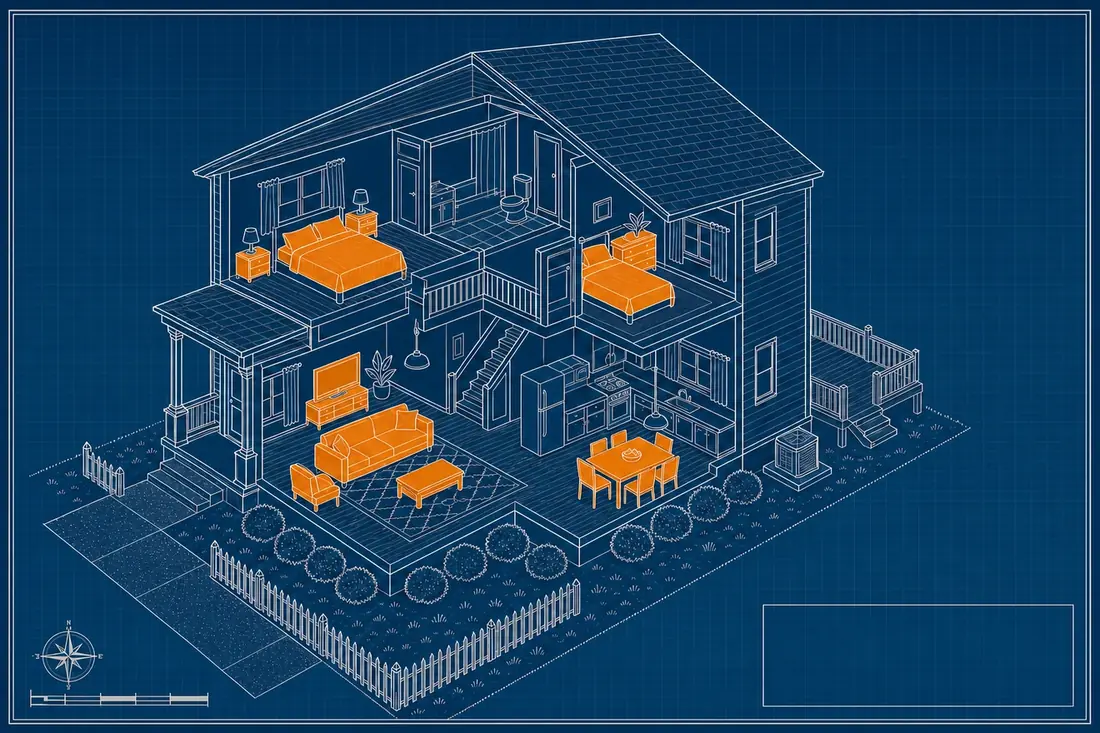
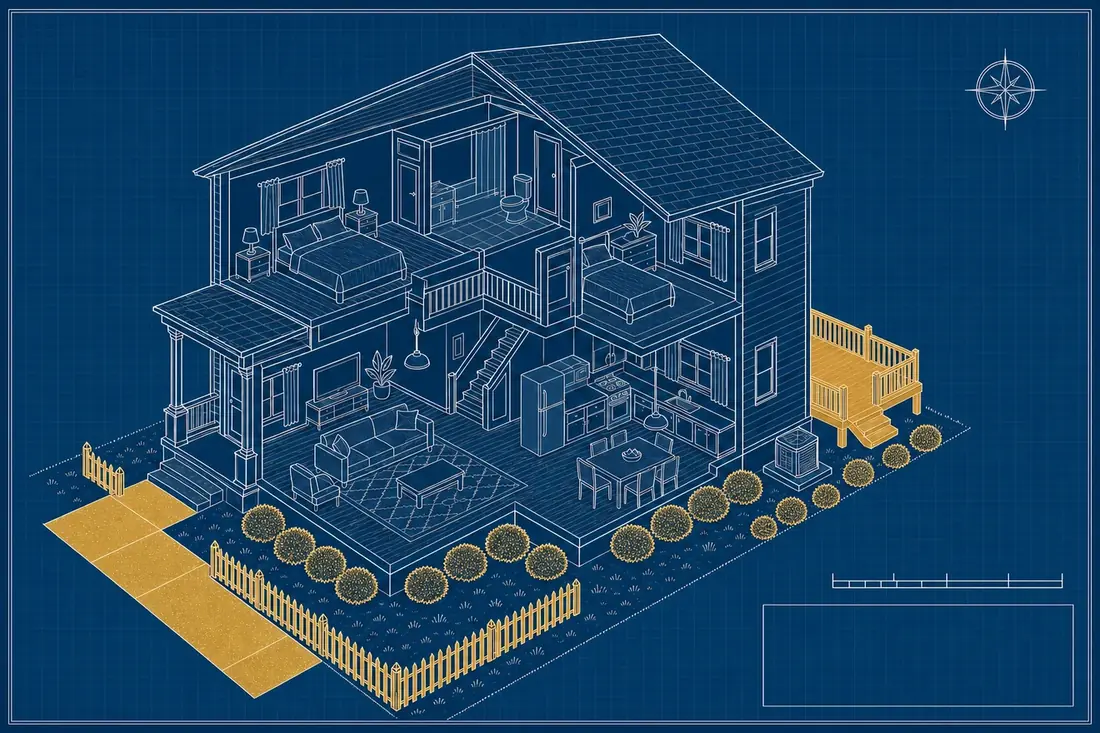
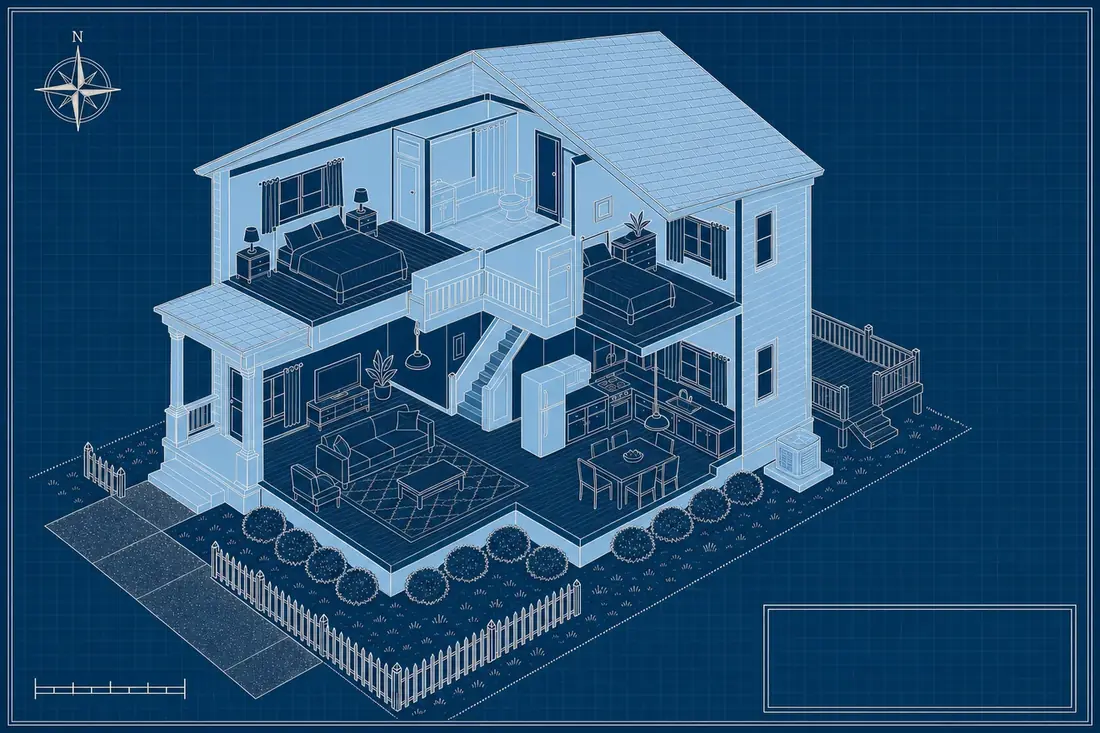
Watch a beach house rental get built and classified A hypothetical $1.4 million four-bedroom oceanfront house goes up on timber pilings, from the shell driveway and the parking level to the living floor, the porches and the terrace. Every component lands on its depreciation schedule as it is installed, and the year-one depreciation adds up on screen. Watch the 90-second walkthrough »One county, several different buildingsCape May County sits at the southern tip of the Jersey Shore, within a couple hours of Philadelphia and about three hours of New York City. Inside the county, the rental stock varies more than most single-county markets. Cape May city is known for its Victorian bed-and-breakfast-style homes and gingerbread trim, many inside a designated historic district. Wildwood runs a different stock entirely, mid-century motels and dense boardwalk blocks. Stone Harbor and Avalon, a few miles up the barrier island, run newer construction, often rebuilt or renovated shore houses on higher-value lots. Cost segregation does not care about a building's age or style. It cares about what components are physically in the building today. A century-old Victorian and a house finished last year both have cabinetry, flooring, and site improvements that can reclassify out of the standard depreciation schedule, the study just documents what exists now, not the building's history. 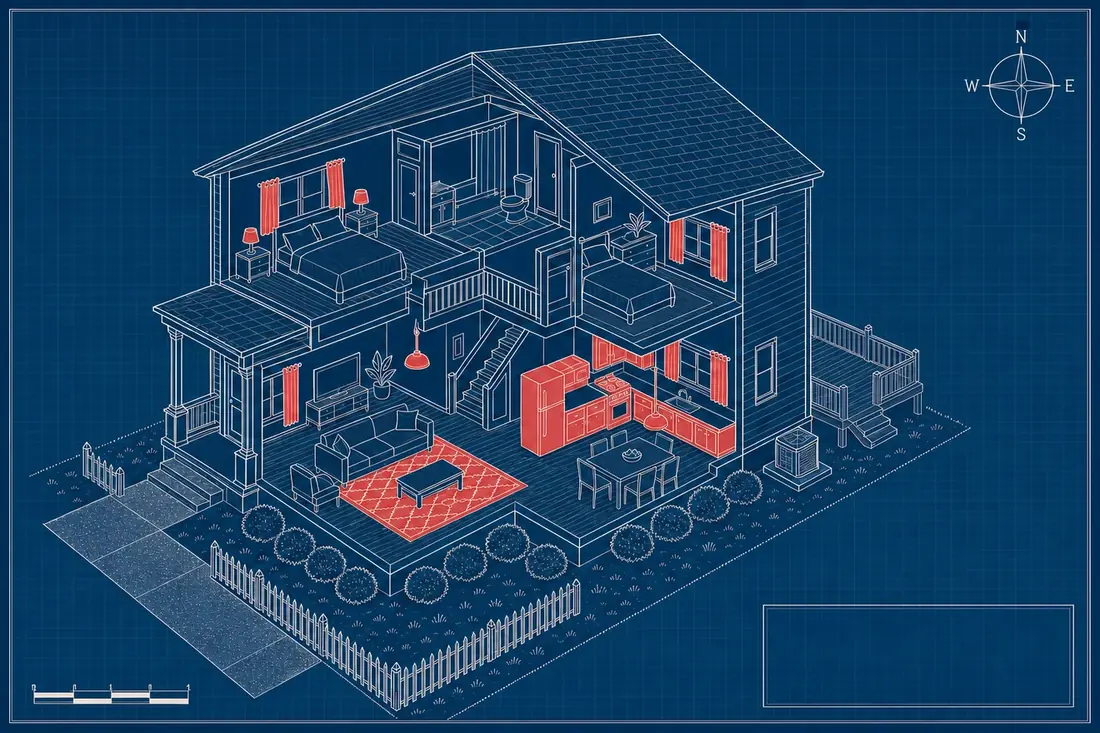
5-Year: carpet and flooring, cabinets, appliances, light fixtures, curtains 7-Year: furniture 15-Year: driveway, fencing, landscaping, deck 27.5/39-Year Shell: roof, load-bearing walls, foundation, central HVAC Get your free Preliminary Benefit Estimate Run the free estimate at /qualify to see what your Cape May County property could accelerate, Victorian, motel unit, or new shore build. Request Your Free Estimate »Does a historic district change anything?Cape May city's historic district guidelines govern what an owner can change about a building's exterior appearance, trim, siding, window style. Those rules affect what renovation work is allowed, not how existing components depreciate. A Victorian's interior cabinetry, flooring, decorative lighting, and window treatments reclassify the same way any other property's does. The historic designation is a renovation constraint, not a tax classification. A Victorian undergoing exterior restoration work governed by historic district rules should have that renovation reviewed by the contractor and the study together, since new construction work still gets classified under the same component rules regardless of the district. Many Cape May city Victorians have been in the same family or the same ownership structure for years, sometimes decades, before an owner ever hears about cost segregation. That is exactly the situation a look-back study is built for: it applies to a property owned for years, not just a fresh purchase, and the missed depreciation is claimed through Form 3115 with a section 481(a) catch-up in the current year rather than by amending old returns. A Victorian that has sat on the standard depreciation schedule since it was bought is not too late for a study; it is a candidate for one. What reclassifies in a Cape May County shore rental
Wildwood's motel-style properties often carry more furniture and fixture volume relative to their size than a single-family Victorian, since many operate closer to a small hospitality property. Stone Harbor and Avalon's newer construction tends to carry a larger share of reclassifiable basis overall, simply because more of the building was built or finished recently and documented with current materials and invoices, which makes the classification work more straightforward. The weekly-rental mathCape May County runs the same weekly summer rental calendar as the rest of the Jersey Shore, Saturday check-ins and check-outs through the peak season. A full summer of 7-night stays averages to a 7-day stay, at the threshold Reg. 1.469-1T(e)(3)(ii) sets for the short-term rental exception to apply. A shoulder season stretch of longer stays, common in Cape May city given its year-round bed-and-breakfast appeal outside peak summer, pulls that average up, while Wildwood and the barrier island towns tend to shut down more sharply after Labor Day. Material participation is the separate question. An owner who handles bookings, turnovers, and maintenance personally is in a different position than one who hires a full-service rental agency, common in Stone Harbor and Avalon where many owners live out of state. The 100-hour test measures the owner's hours against everyone else who works the property, agency staff and cleaners included. Estimate the first-year deduction on a property hereA few questions and the building value give a preliminary first-year deduction range, using the same rule as our free calculator. The breakdown can be emailed to you, or you can book a 15-minute call. Step 1 of 3 What kind of property?
Who runs it day to day?
What is the average guest stay?
When did you buy it?
How many rentals do you own?
Across all of them, does your rental portfolio show taxable income overall?
Any of them likely to sell in the next few years?
Prefer to talk it through? Book straight from here. No form needed.
What the numbers look likeA benchmark run on an office and warehouse property produced $330,674 in first-year deductions on a $1,911,675 building basis for a $9,900 fee, a 33.4-to-1 ratio, a commercial example offered as a scale reference. On the residential side, a delivered study on a single-family rental in Montgomery County, Pennsylvania, 4,946 square feet with a $1,040,000 basis, produced an estimated $174,905 in first-year depreciation for a $1,295 fee, roughly 135 to 1. A newer Stone Harbor or Avalon shore house, larger and more recently built than the typical inland rental, sits closer to that residential case in structure, sometimes with a bigger basis given current shore construction costs. The guarantee behind a Cape May County studyBasis guarantees at least 30 times the fee in first-year deductions on a short-term rental property, or the study is free. That floor holds whether the property is a Victorian bed-and-breakfast-style rental in Cape May city, a motel unit in Wildwood, or a newer shore house in Stone Harbor or Avalon. Every study also includes full audit defense of the report by the team that produced it, meaning that if an examiner questions the classifications, the engineers behind the study answer the technical questions in writing through the owner's CPA, who continues to represent the client on the return itself. Turnaround runs 4 to 6 weeks during the main tax season, typically 2 to 3 weeks in January and February. Getting a number for a Cape May County propertyEvery study, Victorian, motel unit, or new shore house, is custom-priced to that property. A free Preliminary Benefit Estimate at /qualify models the likely first-year number before you commit, and short-term rental studies work from listing photos, no site visit needed. Compare Cape May County's county-level detail against the broader Jersey Shore market page, or see how a different weekly-rental beach market handles the same test on the Outer Banks page. For a property owned for years, the study runs through Form 3115 with a section 481(a) catch-up, covered in the look-back guide, no amended returns required. Frequently asked questionsDoes a historic Victorian in Cape May qualify for cost segregation? Yes. Historic district rules govern what exterior changes an owner can make, they do not change how existing interior components like cabinetry, flooring, and lighting depreciate. A Victorian's age does not disqualify it. How is a Wildwood motel-style rental studied differently from a single-family shore house? A motel-style property typically carries more furniture, fixture, and equipment volume relative to its size, since it runs closer to a small hospitality operation. A single-family house carries more land improvements like decking and driveways instead. Do newer Stone Harbor and Avalon homes reclassify more than older Cape May city homes? Often yes, since recent construction is easier to document with current invoices and materials, and newer shore builds tend to include more high-end finish work. Age itself is not the deciding factor, documentation and component mix are. Does a Cape May County rental need a site visit for the study? No. Short-term rental studies use listing photos from Airbnb or VRBO to classify components, so there is no owner homework and no scheduled visit, whether the property is a Victorian, a motel unit, or new construction. How does the weekly summer season affect the passive loss rules? A season of 7-night stays averages to a 7-day stay, which meets the threshold for the short-term rental exception under section 469. The owner then still needs to clear a material participation test for losses to offset other income. Keep readingGet your free Preliminary Benefit Estimate Send the address or the listing link. We model the number first; you decide with it in hand. Request Your Free Estimate »Educational information, not tax advice. This page describes how federal
depreciation rules and tests work in general. Whether any rule fits your facts is a determination for
you and your CPA. Our study gives your CPA the engineering and the numbers to make that call.
Related guides: How Does Cost Segregation Work in Vacation... · Does Cost Segregation Work on a Poconos... · Cost Segregation for a Jersey Shore Rental... · Cost Segregation for a Pigeon Forge Cabin... · Cost Segregation for a Gatlinburg Rental...
More Mid-Atlantic Shore markets: Cost Segregation for a Deep Creek Lake... · Cost Segregation for a Long Beach Island... · Cost Segregation for an Ocean City, New... · Cost Segregation for an Ocean City... · Cost Segregation Services in Delaware... · Cost Segregation for Wildwood, North... · All vacation markets
|