|
Cost Segregation for Commercial & Short-Term Rental Owners
|
Request a free estimate [email protected] |
STR Guides
Free Listing SEO Audit Paste your Airbnb or VRBO listing. Get a scored audit in 90 seconds. Audit My Listing »Minimum ROIOur study identifies at least 20x its fee in first-year deductions on commercial property, or at least 30x on a short-term rental, or it is free. |
The 7-Day Test vs. the 30-Day Test for Short-Term RentalsReg. 1.469-1T(e)(3)(ii) lists two separate ways a rental avoids the default "rental activity" label under the passive activity rules. The first: an average guest stay of 7 days or less. The second: an average guest stay of 30 days or less combined with significant personal services, the kind a hotel provides, not routine cleaning between stays. Either one opens the door to the short-term rental exception; from there, material participation is a separate, second test. Key takeaways
Steven's Take I watch owners collapse two separate tests into one all the time, and this page exists because that mistake costs people more than a wrong estimate. The 7-day test is a single number, average stay across the year. The 30-day test needs that average plus real personal services, the hotel kind, not a cleaner between guests. Most short-term rentals clear the first test and never need the second. Confusing them means an owner either assumes they cleared a gate they did not, or assumes they need hotel-style services when a plain average stay already did the job. Know which test a property is actually running before anything else on this site matters. Steven Ellis, Founder Watch a log cabin rental get built and classified A hypothetical $600,000 three-bedroom log cabin goes up floor by floor, from the gravel drive and foundation to the game loft and the hot tub on the deck. Every component lands on its depreciation schedule as it is installed, and the year-one depreciation adds up on screen. Watch the 90-second walkthrough »One Regulation, Two Different TestsSection 469 treats rental activity as passive by default, meaning losses can only offset other passive income. Reg. 1.469-1T(e)(3)(ii) lists several exceptions to that default, and two of them get conflated constantly by short-term rental owners because they both involve counting days: the average-stay-of-7-days test, and a separate average-stay-of-30-days test that carries an extra requirement most owners never clear. They are not the same test measured on different scales. They are two distinct paths into the same exception, with different requirements attached to each. See the short-term rental overview for how these tests fit into the fuller STR tax picture. 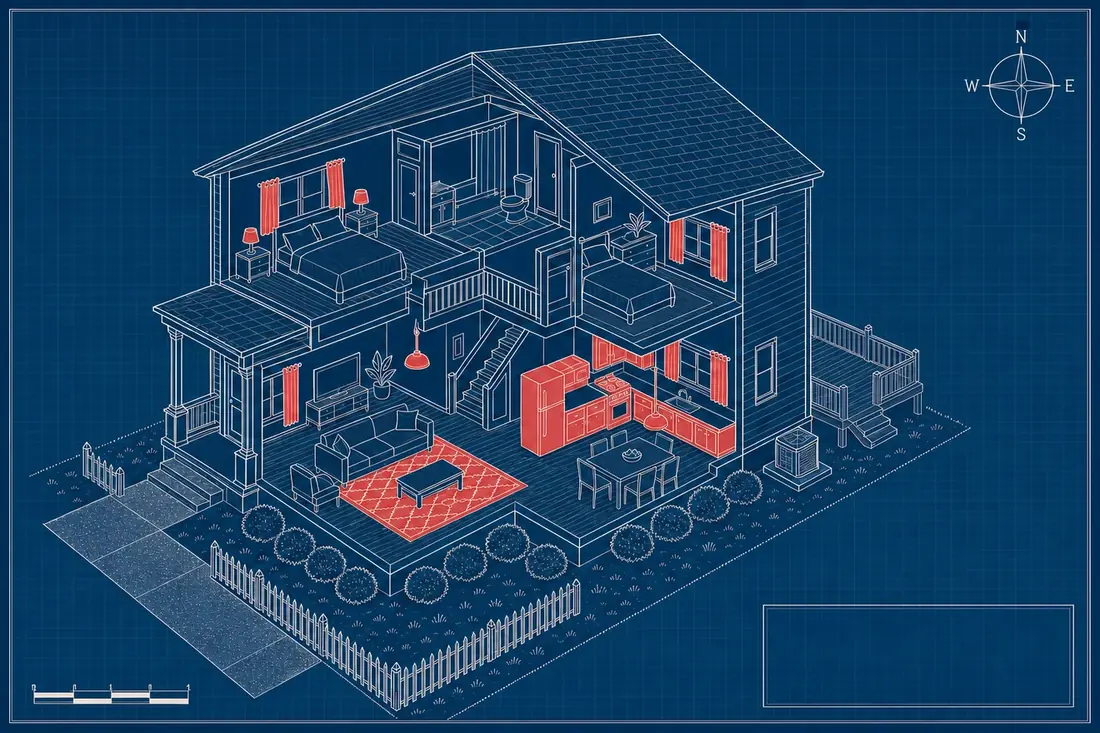
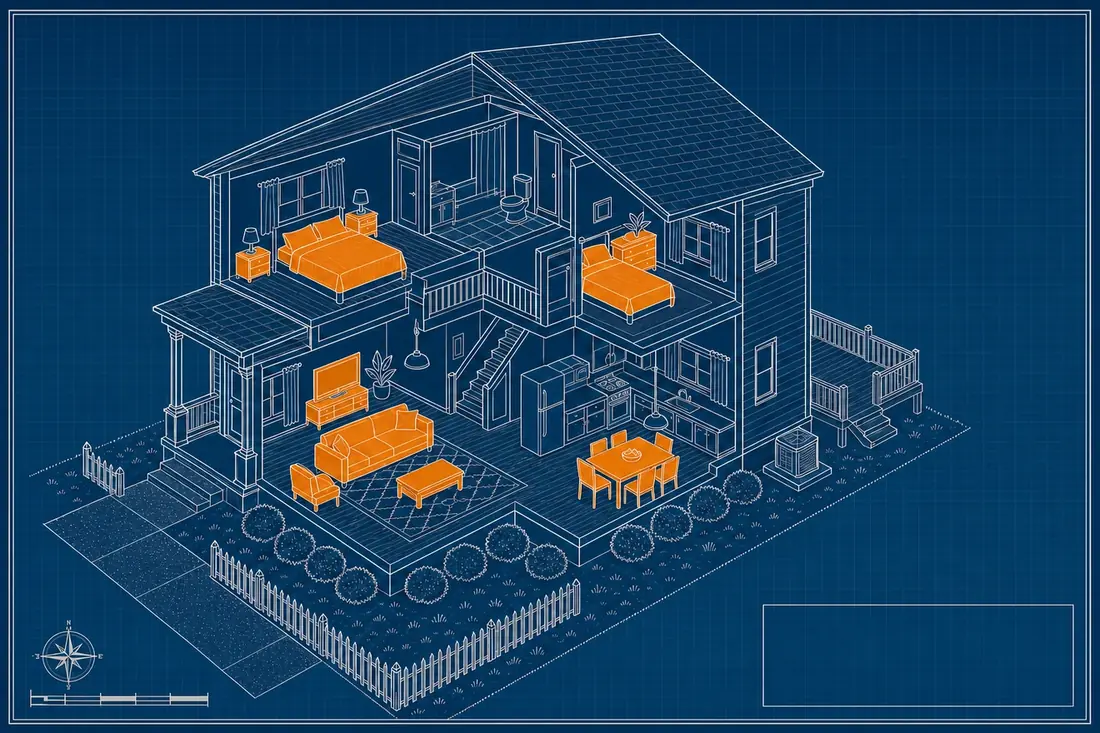
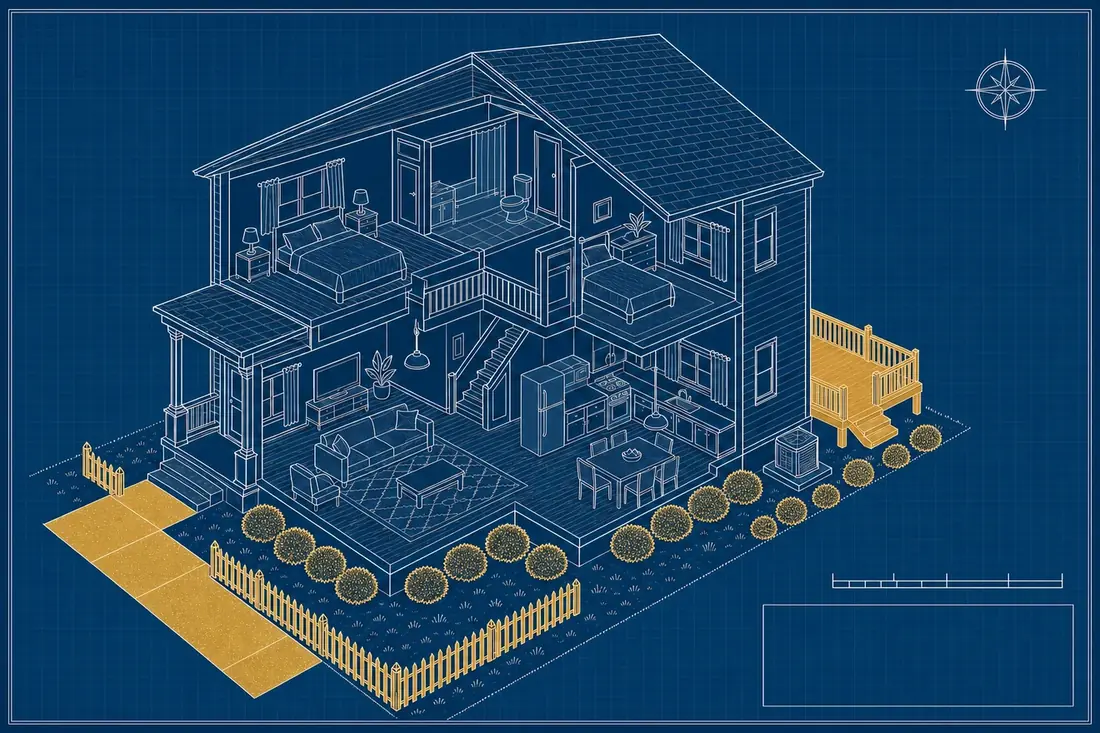
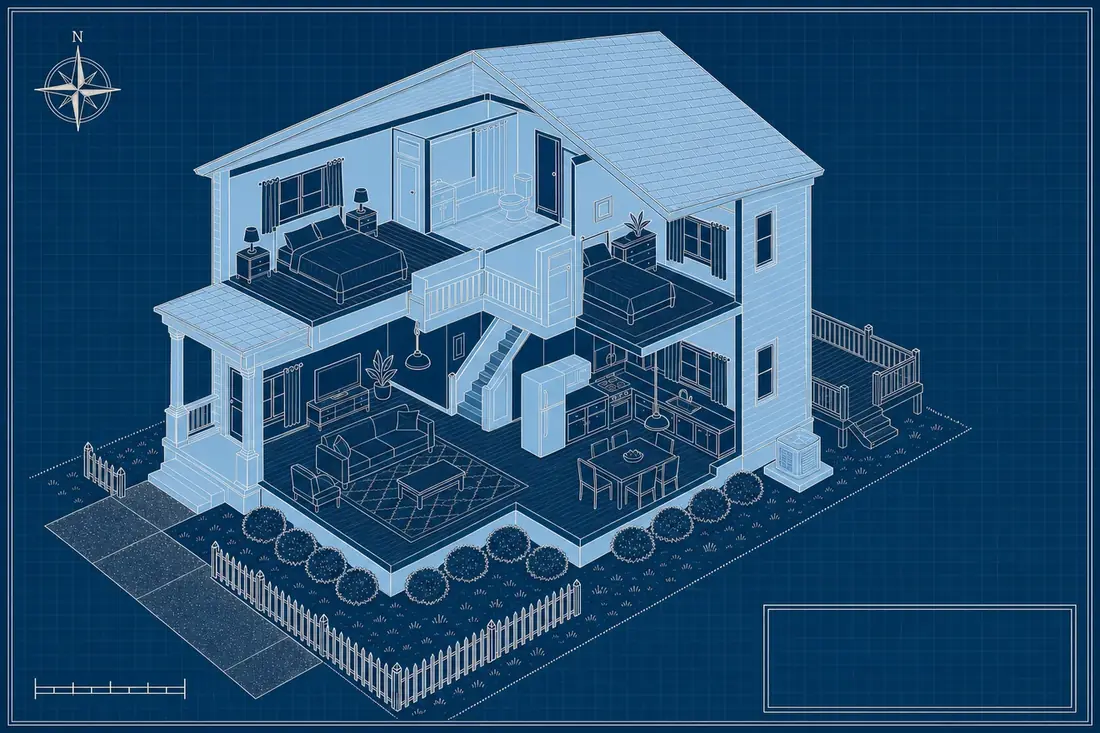
5-Year: carpet and flooring, cabinets, appliances, light fixtures, curtains 7-Year: furniture 15-Year: driveway, fencing, landscaping, deck 27.5/39-Year Shell: roof, load-bearing walls, foundation, central HVAC Get your free Preliminary Benefit Estimate Run the free estimate on the depreciation side while your CPA works out which of the two tests, if either, your booking calendar actually clears. Request Your Free Estimate »The 7-Day Test: Average Stay AloneThe first path asks one question: what was the average period of customer use for the property across the year, measured as total nights rented divided by the number of separate reservations? If that average comes out to 7 days or less, the property is not a rental activity under the regulation, full stop. No other requirement attaches to this specific path. A nightly or short-weekly booking pattern, the shape most Airbnb and VRBO listings actually run, tends to land well inside this test without anything extra required of the owner. The exact math, including how a single long booking can pull the average past the line, is worked through in full on the average-stay rule. The 30-Day Test: Average Stay Plus Significant Personal ServicesThe second path is built for a different kind of property: one with a longer average stay, up to 30 days, that still functions more like a hotel than an apartment because of the services provided alongside the room. This path only applies when the average customer use is 30 days or less and the owner or operator provides significant personal services, the kind of services a hotel or bed-and-breakfast provides as part of the stay, not the routine work of turning a unit over between guests. Daily housekeeping during the stay, linen and towel changes, concierge-style services, and regular meals are the kind of services that can meet this bar. Cleaning a unit once between reservations, restocking supplies, or providing Wi-Fi and cable are ordinary landlord services, the kind any long-term rental provides, and do not rise to the level the regulation requires. A property with a 20-day average stay and no services beyond a standard cleaning between guests does not clear this path, even though its average stay is under 30 days, because the personal-services half of the test was never met. Why the Two Get ConfusedBoth tests share the same goal, moving a property out of the default "rental activity" bucket, and both are measured the same way, an average across the year's reservations. That surface similarity is exactly why owners assume a longer average stay just needs a bigger number, 30 days instead of 7. It does not work that way. The 7-day path has no services requirement at all. The 30-day path requires real, hotel-like services on top of the day count, and without those services a property with an 8-to-30-day average stay generally falls back into ordinary rental-activity treatment, passive by default. A longer average stay does not buy the same exception on easier terms. It buys a harder one.
The 60-Second Qualifier Four questions. Our engineering team's model shows the estimated first-year acceleration a study of your property would target, free, before you commit to anything. Take the Qualifier »What Either Test Changes About Passive ClassificationClearing either test does the same thing: it removes the property from the default "rental activity" definition under section 469, the first of two gates a short-term rental owner has to clear before rental losses can offset other income like wages. The second gate, material participation, is a separate question entirely, real and documented hours running the property, and it applies the same way whether the property cleared the 7-day path or the 30-day-plus-services path. See the material participation tests that apply to a short-term rental for what that second gate actually requires. Neither test has anything to do with a cost segregation study itself. A study reclassifies a building's components into faster depreciation schedules regardless of which passive-activity test the property does or does not clear; these two tests only decide whether the resulting deduction can offset other income now or has to wait as a suspended passive loss. Two Properties, Two Different PathsPicture two owners with a similar-looking rental. Owner A runs a beach condo booked nightly and by the weekend, 60 reservations a year averaging 4 nights each. The average stay clears the 7-day test on its own, no services required, because that is the only requirement the test carries. Owner B runs a furnished apartment near a hospital, booked mostly by traveling nurses on 25-to-28-night assignments, and also provides weekly housekeeping and fresh linens during each stay, similar to an extended-stay hotel. The average stay alone, in the high 20s, fails the 7-day test outright. But because the average is under 30 days and the services rise to a hotel-like standard rather than a single cleaning between guests, Owner B has a real path through the second test instead, one Owner A never needed and never qualified for either, since a 4-night average automatically clears the first test. The two owners land in the same place, outside the default rental-activity definition, by two genuinely different routes, and neither route is a shortcut version of the other. Not to Be Confused With the 14-Day Personal-Use RuleA third day-count shows up in short-term rental tax planning and has nothing to do with either test above: the personal-use limit under section 280A, which caps deductions once an owner's own use of the property exceeds the greater of 14 days or 10% of the days it was actually rented. That rule looks at the owner's own use of the property, not guest stays or services provided, and it can limit deductions even on a property that clears the 7-day or 30-day rental-activity test easily. See how many days you can use your own Airbnb for that separate calculation. Frequently asked questionsWhich test do most Airbnb and VRBO properties rely on, the 7-day or the 30-day test? Most short-term rentals with a nightly or short-weekly booking pattern clear the 7-day average-stay test on its own, with no services requirement attached. The 30-day test matters mainly for a smaller group of properties running longer average stays, and only if the owner also provides hotel-like services beyond routine cleaning between guests. Does cleaning between guests count as a significant personal service? Generally no. Cleaning a unit once between reservations, along with restocking supplies or providing Wi-Fi and utilities, are ordinary landlord services that any long-term rental also provides. The 30-day test requires services closer to what a hotel or bed-and-breakfast provides during the stay itself, such as daily housekeeping or regular meals. What happens to a property with a 15-day average stay and no special services? It does not clear either path in Reg. 1.469-1T(e)(3)(ii). The average stay is too long for the 7-day test and, without significant personal services, it does not meet the 30-day test's second requirement either. A property in that position generally falls back into ordinary passive rental-activity treatment. Does clearing the 7-day or 30-day test mean rental losses automatically become non-passive? No. Clearing either test only removes the property from the default rental-activity definition. A separate material participation test, real and documented hours running the property, still has to be met before a loss can offset other income like wages, and that test applies the same way under either path. Can a property qualify under the 7-day test one year and the 30-day test the next? In principle a property's booking pattern can shift enough to change which test, if either, it clears in a given year. Both are computed fresh each tax year from that year's actual reservations, so a property is not locked into whichever test it happened to clear previously. Keep readingGet your free Preliminary Benefit Estimate Send the address or the listing link. We model the number first; you decide with it in hand. Request Your Free Estimate »Educational information, not tax advice. This page describes how federal
depreciation rules and tests work in general. Whether any rule fits your facts is a determination for
you and your CPA. Our study gives your CPA the engineering and the numbers to make that call.
|
Copyright © 2026 Basis Property Group | Philadelphia, Pennsylvania | Studies in all 50 states
Popular guides: Airbnb & STR | Do I Qualify? | What a Study Costs | Audit Risk | When to Do It | Real Examples
About | Careers | Guides | Articles | Site Map | Privacy Policy | Terms of Service
You are visitor 0148293 | Last updated: August 2026 | Best viewed at 1024x768
Content reviewed against IRS Publication 946, Treasury Regulation §1.168, and the IRS Cost Segregation Audit Techniques Guide. For educational purposes only; this site does not constitute tax advice. Consult your CPA before filing. Not affiliated with the IRS.