|
Cost Segregation for Commercial & Short-Term Rental Owners
|
Request a free estimate [email protected] |
How It Works
FREE Estimate Is there a first-year deduction sitting in your building? No cost, no obligation. Request Yours »Minimum ROIOur study identifies at least 20x its fee in first-year deductions on commercial property, or at least 30x on a short-term rental, or it is free. |
What Happens After 27.5 Years of Depreciation?Quick answer Once a residential rental's structural shell has run its full 27.5-year straight-line schedule, that portion's basis reaches zero and depreciation on it simply stops. No more deduction comes off the shell, though the building keeps generating rental income. Two things still matter at that point: recapture on an eventual sale, since the depreciation already taken becomes part of the tax calculation, and whether a later renovation or component replacement created a separate, newer schedule that has not run out yet. See this applied to your building. A few questions, 30 seconds. You see which tests matter and the first-year deduction range a study would look for. No email to see the range. Run the 30-second check »Key takeaways
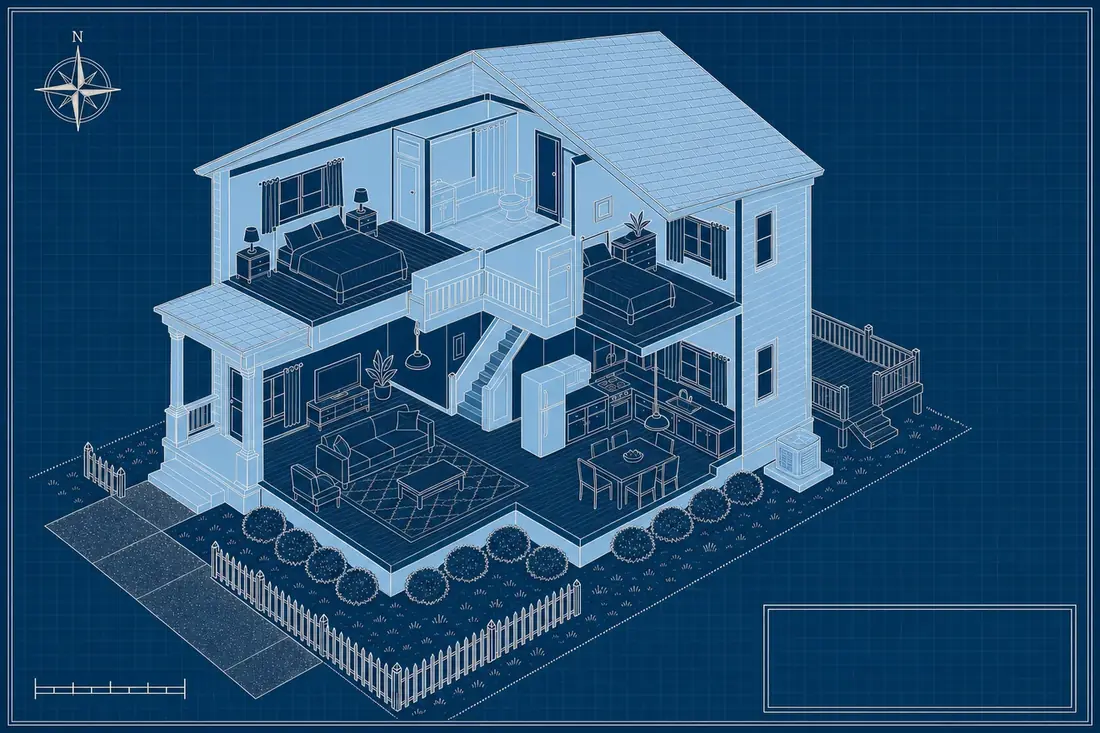
Depreciation Stops, the Basis Goes to ZeroOnce the structural shell of a rental property, the part depreciated on the 27.5-year schedule, has been fully written off, its remaining basis is zero. There is nothing left to deduct on that piece. Because of the mid-month convention, a shell that depreciates in full over 27.5 years typically spans parts of 28 tax years before the last partial-year deduction is taken. The property does not stop existing or stop earning rent. Depreciation is an accounting recovery of cost, not a measure of a building's condition or its market value. A rental can be fully depreciated on paper and still be worth well over its original purchase price, and rent keeps coming in exactly as it did the year before the schedule ran out. Nothing about ownership changes operationally either. The mortgage, the lease, the maintenance schedule, all continue on their own terms. The only thing that disappears is the depreciation line on the return, since there is no more basis left on the structural shell to recover. 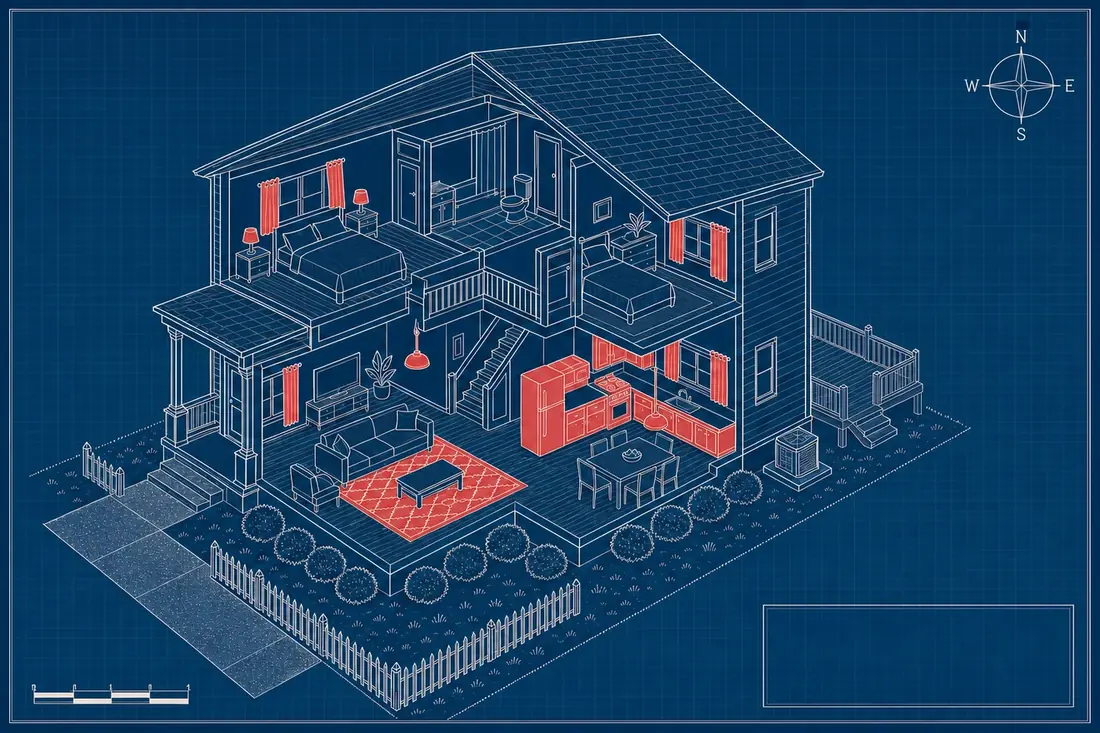
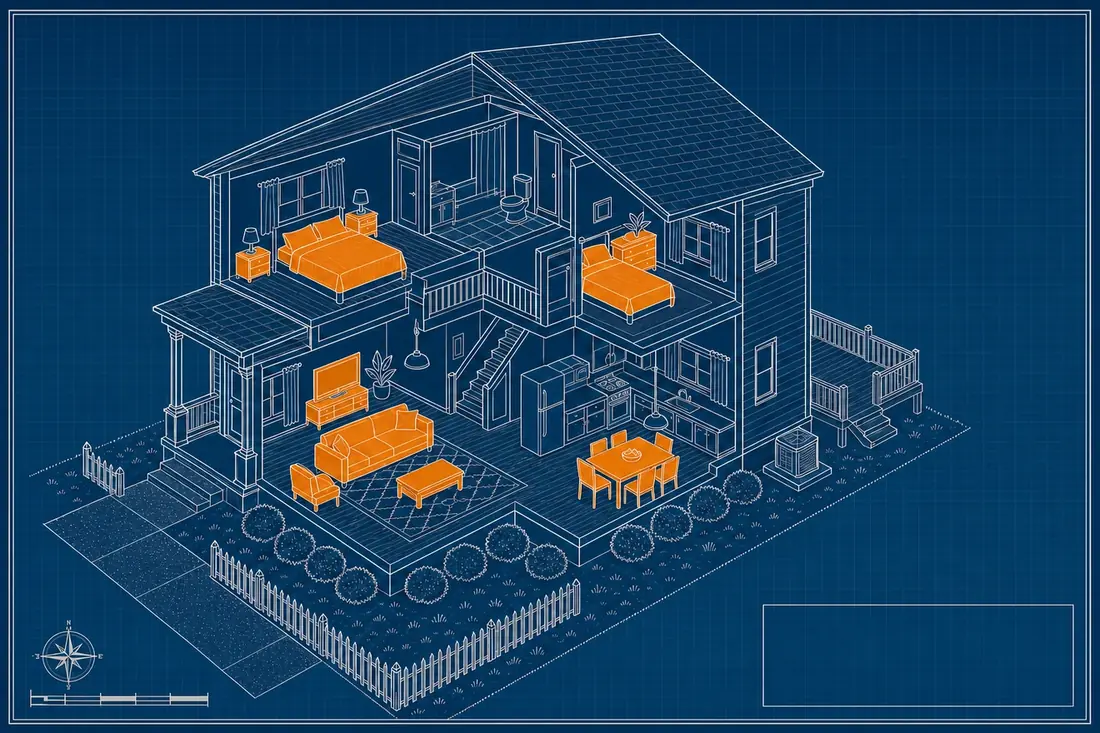
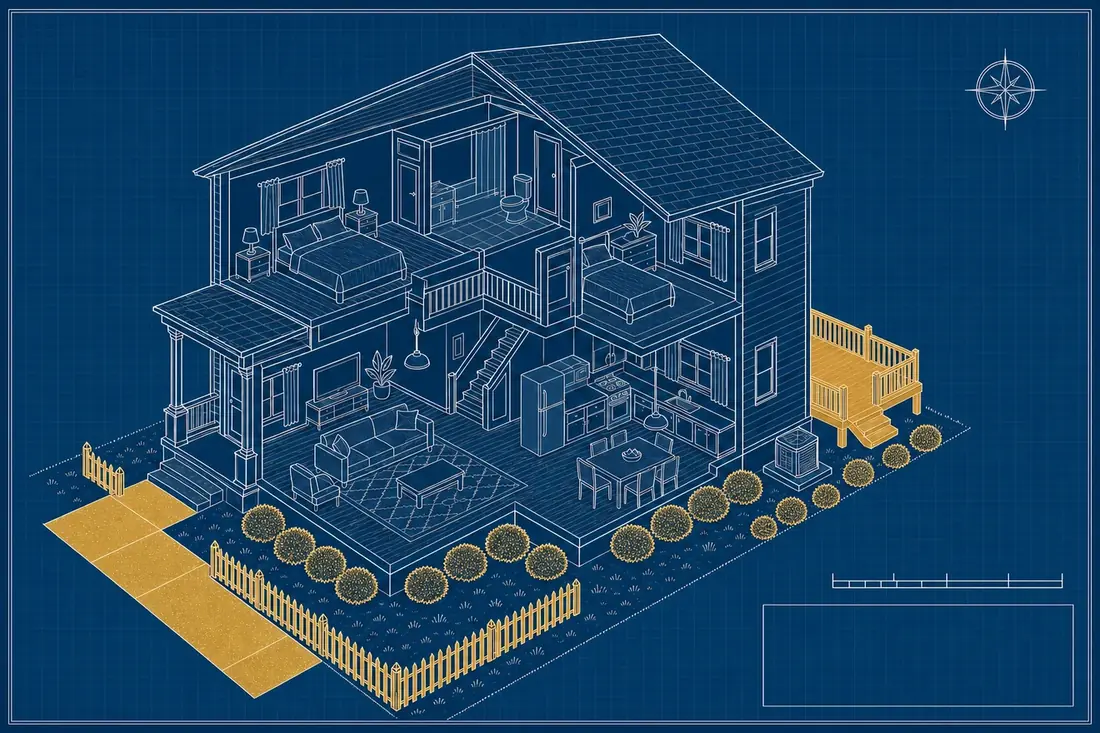
5-Year: carpet and flooring, cabinets, appliances, light fixtures, curtains 7-Year: furniture 15-Year: driveway, fencing, landscaping, deck 27.5/39-Year Shell: roof, load-bearing walls, foundation, central HVAC Get your free Preliminary Benefit Estimate See whether a renovation or replacement on your rental still has a faster schedule to run with a free Preliminary Benefit Estimate. Request Your Free Estimate »The Components a Study Already Reclassified Finish Much EarlierIf a cost segregation study was done at or soon after purchase, the components it moved onto 5, 7, and 15-year schedules finish their own, much shorter runs long before the 27.5-year shell does. Carpet, appliances, and cabinetry on the 5-year class, or paving and fencing on the 15-year class, are typically fully depreciated well over a decade before the structural shell reaches zero. By the time the shell's 27.5 years are up, those components have generally been off the books for years already. If no study was ever done, there is no such head start to speak of. Every dollar of the original basis sat on the slow 27.5-year clock the entire time, which means the whole building crosses the finish line together, on the same schedule, in the same tax year, instead of in staggered pieces. What a Look-Back Study Can Still FindA fully depreciated original structure does not mean nothing is left to study. Renovations, additions, and component replacements placed in service more recently, a newer roof, a remodeled kitchen, a replaced HVAC system, are separate assets with their own placed-in-service dates and their own recovery periods, running independently of the original building's schedule. If those additions were never classified into the 5, 7, or 15-year buckets they belong in, a look-back study can still do that work on them, even after the original shell has fully run its course. A look-back study is claimed through Form 3115, an automatic accounting method change, with a section 481(a) catch-up deduction taken in the current year rather than through amended returns. The missed depreciation on those later components arrives all at once instead of trickling in over the years remaining on their schedules. The original shell being fully depreciated does not block this; the look-back applies to whichever assets still have basis left to reclassify, not to the building as a single unit. The 60-Second Qualifier Four questions. Our engineering team's model shows the estimated first-year acceleration a study of your property would target, free, before you commit to anything. Take the Qualifier »Partial Asset Disposition Along the WaySeparately from a look-back study, partial asset disposition applies whenever a component gets physically replaced, a roof tear-off, an HVAC swap, whether that happens early in ownership or decades in. The remaining basis of the OLD component can be written off, but only in the tax year of the replacement. Miss that year and the election is gone; the old component's basis stays buried in the building, technically still depreciating on paper for decades, while the new component stacks on top of it, and neither piece resets or restarts the property's overall 27.5-year timeline. This mechanic matters most on an older property precisely because the odds of a mid-ownership replacement go up the longer a building has been held. A roof or an HVAC system installed when the building was first placed in service rarely lasts the full 27.5 years without at least one replacement somewhere along the way. What Happens on Sale: RecaptureSelling a fully depreciated rental does not erase the tax consequences of the depreciation already taken. All of it factors into the calculation at sale, through depreciation recapture. Gain attributable to depreciation on any 5- or 7-year personal property a study identified, section 1245 property, is recaptured at ordinary income rates. Gain attributable to straight-line depreciation on the real property itself, the 27.5-year shell, is unrecaptured section 1250 gain, taxed at up to 25%. A 1031 exchange can defer both, including on a property that already had a cost segregation study, when the replacement property rules are met. Suspended passive losses that built up over years the owner did not clear the passive activity tests are generally released when the property is disposed of in a full taxable sale, a separate mechanic from recapture itself but one that often gets resolved in the same transaction, on the same closing statement, as the sale that triggers recapture in the first place. The Deduction Is Gone, the Timing Benefit Already HappenedNone of this erases the value of the deductions taken across the years the property was held. A cost segregation study's benefit was always about timing, moving deductions earlier in the ownership period, not eliminating a future tax question at sale. That timing benefit already did its job in the years it was claimed, regardless of what the schedule looks like once the shell finishes depreciating or what happens on an eventual sale. The practical question for most owners at this stage is narrower than it first sounds: not whether depreciation worked, since the deductions already happened, but whether anything added to the property since purchase, a renovation, a replaced system, still has a schedule of its own worth looking at. Frequently asked questionsDoes a fully depreciated rental property lose value? No. Depreciation is a tax accounting recovery of cost, not a measure of market value or condition. A property can be fully depreciated on its tax schedule and still be worth well above its original purchase price, and it keeps generating rental income the same as before. Can a cost segregation study still help after the original building is fully depreciated? The original structural shell itself has nothing left once its 27.5 years are up. But renovations, additions, or component replacements placed in service more recently have their own separate schedules, and a look-back study can still classify those even after the original building has fully depreciated. What happens to depreciation recapture if I sell after the building is fully depreciated? All depreciation ever taken on the property factors into recapture at sale. Personal property components are recaptured at ordinary rates, and straight-line depreciation on the real property itself is unrecaptured section 1250 gain, taxed at up to 25%. A 1031 exchange can defer both if the replacement property rules are met. Why does it take parts of 28 tax years to fully depreciate a 27.5-year schedule? The mid-month convention treats a property as placed in service exactly halfway through whatever month it actually entered service, which prorates the first year's deduction. That proration pushes the final partial year of depreciation into what is technically the 28th tax year of ownership. Is partial asset disposition still available after 27.5 years of ownership? Yes, whenever a component is physically replaced, regardless of how long the property has been owned. The remaining basis of the old component can be written off, but only in the tax year the replacement happens. Waiting past that year forfeits the election. Keep readingGet your free Preliminary Benefit Estimate Send the address or the listing link. We model the number first; you decide with it in hand. Request Your Free Estimate »Educational information, not tax advice. This page describes how federal
depreciation rules and tests work in general. Whether any rule fits your facts is a determination for
you and your CPA. Our study gives your CPA the engineering and the numbers to make that call.
|