|
Cost Segregation for Commercial & Short-Term Rental Owners
|
Request a free estimate [email protected] |
STR Guides
Free Listing SEO Audit Paste your Airbnb or VRBO listing. Get a scored audit in 90 seconds. Audit My Listing »Minimum ROIOur study identifies at least 20x its fee in first-year deductions on commercial property, or at least 30x on a short-term rental, or it is free. |
Can You Material Participate in a Short-Term Rental You Don't Live Near?Living far from a short-term rental doesn't disqualify an owner from material participation; the tests measure hours and documentation, not distance. The two tests owners rely on most are 500 or more hours in the activity, or 100 or more hours combined with more time than any other individual, including a cleaner, co-host, or property manager. A full-service manager's hours count against the owner in that second comparison, which is often the harder obstacle for an absentee owner than the miles themselves. Key takeaways
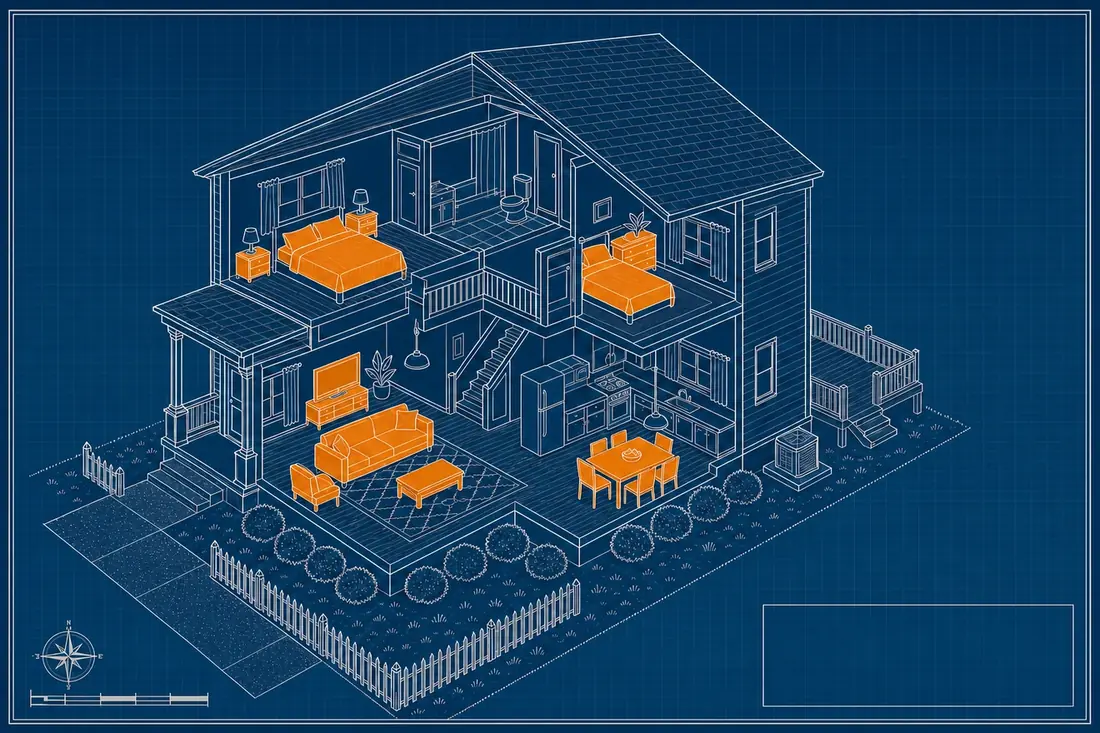
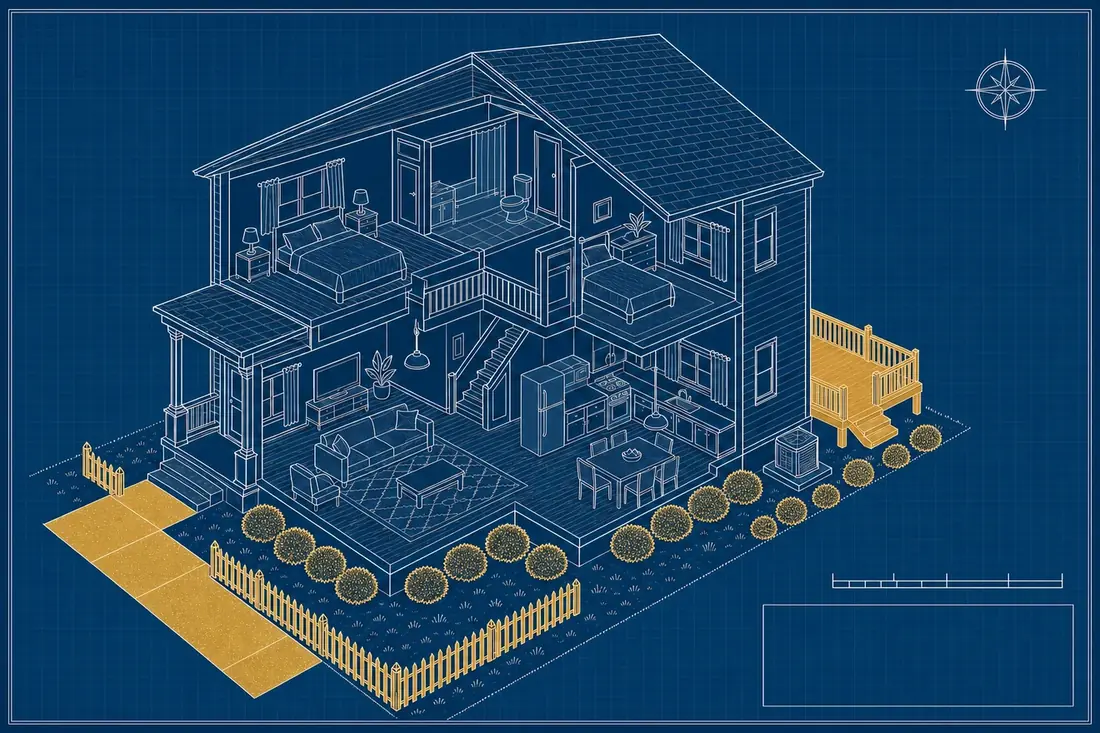
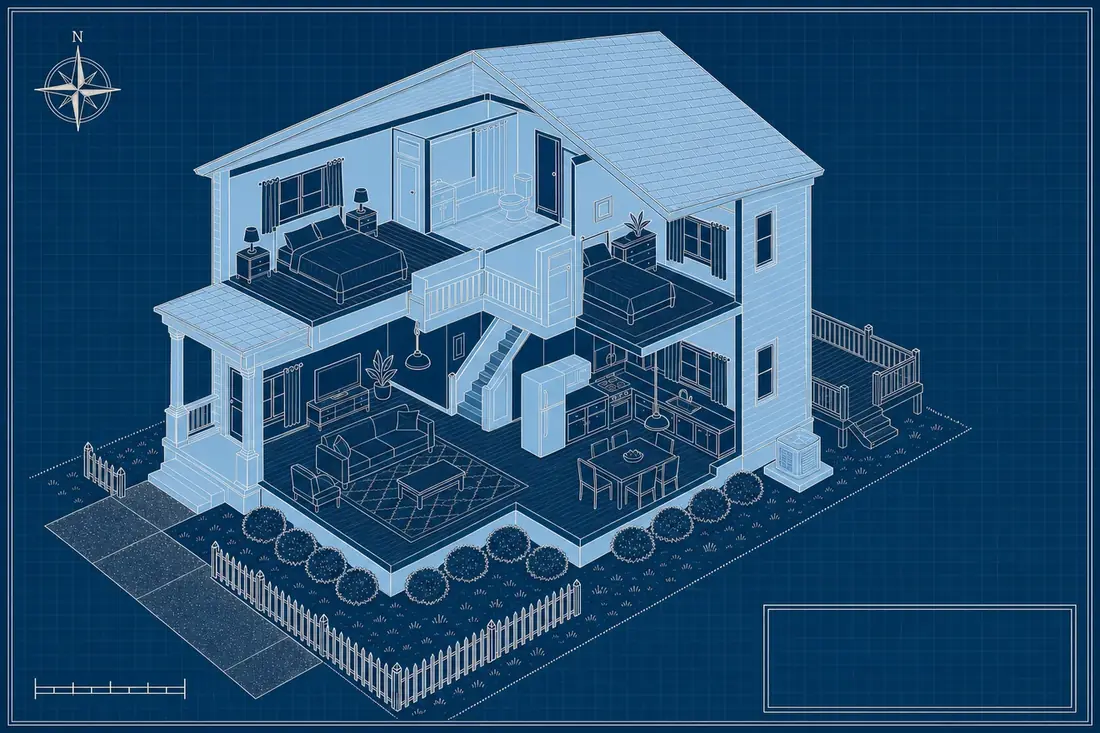
Steven's Take Distance is the excuse I hear most, and it is the wrong test entirely. Material participation runs on hours and documentation, not miles from the property. Five hundred hours in the activity clears it on its own. One hundred hours clears it too, but only if nobody else, not a cleaner, not a co-host, not a property manager, puts in more time that year. That second comparison is where a full-service manager quietly disqualifies an otherwise engaged owner. Track the hours as they happen. Nobody reconstructs a defensible log eight months later from memory. Steven Ellis, Founder Watch a log cabin rental get built and classified A hypothetical $600,000 three-bedroom log cabin goes up floor by floor, from the gravel drive and foundation to the game loft and the hot tub on the deck. Every component lands on its depreciation schedule as it is installed, and the year-one depreciation adds up on screen. Watch the 90-second walkthrough »Distance Is Not the TestSection 469's material participation tests measure hours and involvement in an activity, not how far the owner lives from the property. Nothing in Temp. Reg. 1.469-5T asks where the owner's primary residence sits relative to the rental. An owner managing a short-term rental from across the country is evaluated by the same hour thresholds as an owner who lives ten minutes away. What changes for an out-of-state owner is not the legal test, it is the practical mix of who actually does the work, since remote management often leans more heavily on local help than an owner living nearby would need to. 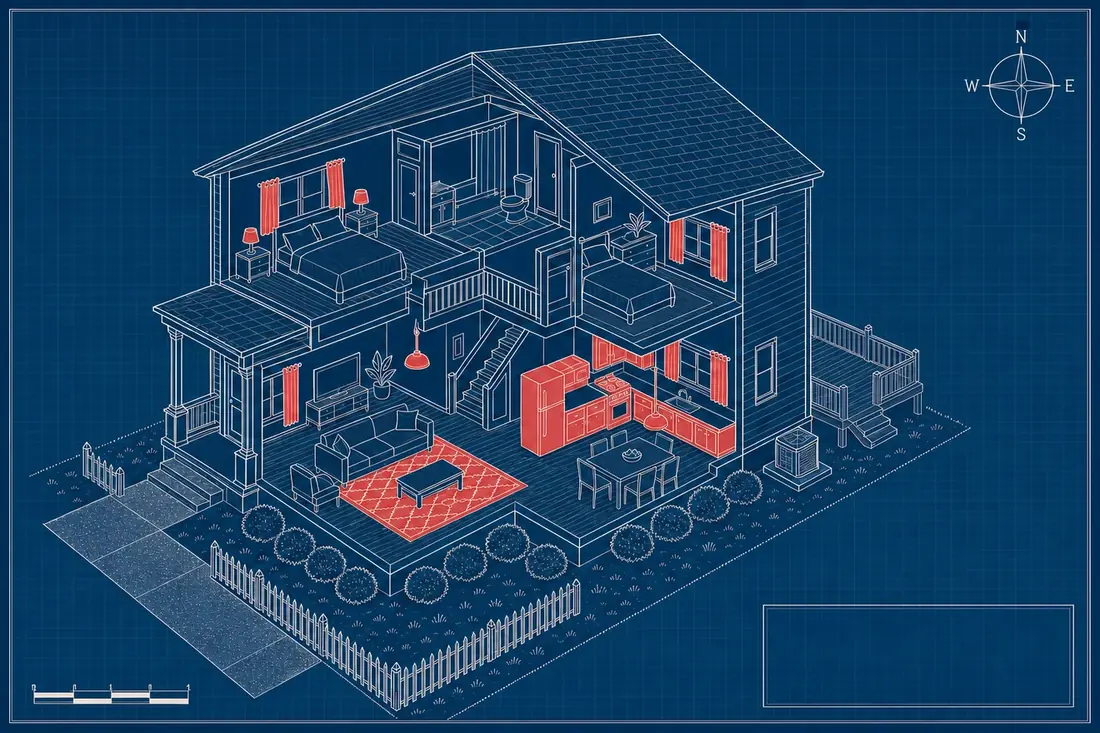
5-Year: carpet and flooring, cabinets, appliances, light fixtures, curtains 7-Year: furniture 15-Year: driveway, fencing, landscaping, deck 27.5/39-Year Shell: roof, load-bearing walls, foundation, central HVAC Get your free Preliminary Benefit Estimate Get the free estimate on the depreciation side while you and your CPA total this year's hours against the tests that actually apply. Request Your Free Estimate »The Two Tests That Apply Most OftenOf the seven ways to establish material participation under Temp. Reg. 1.469-5T, two show up in almost every self-managed short-term rental file, wherever the owner happens to live:
A third path, substantially all the participation belonging to the owner, exists too, but it fits a fully solo operation with no outside help at all, uncommon for an owner managing a property from a distance. See how these tests apply specifically to a short-term rental and the full list of the seven material participation tests for the other four, built mostly for farms and multi-year businesses. What Counts as an Hour, Regardless of LocationBoth tests count hours spent operating the property: guest messaging, pricing and calendar management, coordinating repairs, sourcing and vetting a cleaner or handyman, and handling issues as they come up, whether that happens by phone, text, or a property management app. None of that work requires physical presence at the property, which is exactly why an out-of-state owner can accumulate real, countable hours without ever visiting. What counts less is passive, investor-style review, reading a monthly statement or an occupancy report with no operational action attached. Time spent traveling to the property is its own separate question with no blanket rule; it should be logged separately from on-site work rather than folded into the total. The 100-Hour Test's Real Obstacle: Whose Hours CompeteThe 100-hour test has two parts, and the second part is where distance indirectly matters most. It is not just 100 hours; it is 100 hours and more time than any other individual. Every hour a cleaner, co-host, or full-service property manager logs on the property counts against the owner in that comparison, even though the owner is the one paying for it. The obstacle for an absentee owner is rarely the miles. It's who else is logging hours on the property. An owner who lives far away and hires a full-service manager to handle everything, guest communication, cleaning coordination, pricing, is the profile most likely to lose the 100-hour comparison, since the manager's hours can easily exceed the owner's own. An owner who lives far away but handles guest messaging, pricing, and vendor coordination personally, using only a local cleaner for the physical turnover, keeps the comparison much closer, because a cleaner's hours are typically far fewer than a full-service manager's would be. The 60-Second Qualifier Four questions. Our engineering team's model shows the estimated first-year acceleration a study of your property would target, free, before you commit to anything. Take the Qualifier »The 500-Hour Test Doesn't Compare to AnyoneThe 500-hour test has no comparison requirement at all. It only asks whether the owner, alone or combined with a spouse, spent 500 or more hours in the activity during the year. An out-of-state owner who handles most operational tasks remotely, messaging, scheduling, vendor coordination, research and pricing decisions, can reach 500 hours without the total depending at all on how many hours a cleaner or manager separately logged. For an owner running a single property, 500 hours works out to roughly 10 hours a week across the year, a real commitment, but one that does not require living near the property to accumulate. Documentation Matters More When You're Not ThereAn owner who lives near the property might informally remember a maintenance trip or a hands-on afternoon; an owner managing remotely has fewer of those in-person memory cues to fall back on, which makes contemporaneous documentation even more important, not less. A log with four fields, date, task, hours, and who else was involved, built from message timestamps, cleaner invoices, and a booking calendar, holds up far better under Reg. 1.469-5T(f)(4)'s "any reasonable means" standard than a number reconstructed at tax time. See what a workable hour log actually contains for the specific fields and the categories that draw the most scrutiny. A Realistic Week for an Absentee Self-ManagerWhat actually counts as hours, week to week, tends to surprise owners who assume material participation means being physically present. A typical week for a self-managing, out-of-state owner might include an hour or two answering guest messages about check-in and local recommendations, thirty minutes adjusting nightly pricing for an upcoming holiday weekend, a phone call coordinating a cleaner's schedule around a same-day turnover, and time spent comparing quotes when an appliance needs replacing. None of that requires standing in the property. All of it is the kind of operating work the hour tests count. Contrast that with a fully outsourced setup: a full-service manager handles guest messages, sets pricing through a revenue tool, and manages the cleaning schedule directly, while the owner mainly reviews a monthly statement. The hours in that second scenario belong mostly to the manager, not the owner, which is exactly the setup most likely to fail the 100-hour comparison regardless of how far away the owner lives. How This Differs From the Out-of-State Ownership Question GenerallyOwning a rental far from home raises a separate question this page does not cover: whether a cost segregation study itself is harder to get on a property the owner has never walked through. It is not; residential and short-term rental studies run on listing or interior photos with no site visit required, regardless of where the owner lives. See cost segregation for an out-of-state rental owner for that separate process question. This page addresses a different mechanism entirely: whether the hours an owner logs, wherever they live, clear the material participation tests that decide if a resulting loss can offset other income. Frequently asked questionsDoes living in a different state or country change the material participation hour requirements? No. The hour thresholds, generally 500 hours or 100 hours combined with more time than anyone else, apply the same way regardless of where the owner lives. What changes practically is that a remote owner often relies more on local help, which is what usually affects the 100-hour comparison, not the distance itself. Do a property manager's hours count toward or against the owner's total? Against, in the 100-hour test specifically. That test compares the owner's hours to the highest total logged by any other individual, including a property manager, so a manager's hours work against the owner clearing that particular comparison, even though the owner is the one paying for the service. Can phone calls and texts count as material participation hours if the owner never visits the property? Work performed to operate the property, guest messaging, coordinating repairs remotely, pricing and calendar decisions, generally counts toward the hour tests regardless of the medium or physical location. The regulations look at the nature of the work, not whether it happened in person at the property. Is there a test that doesn't compare the owner's hours to anyone else's? Yes. The 500-hour test only counts the owner's own hours, combined with a spouse's if married filing jointly, against a flat threshold, with no comparison to a cleaner, manager, or anyone else. It is the test most independent of who else works on the property. What kind of records should an out-of-state owner keep for material participation? A log with the date, task, hours, and who else was involved for each entry, cross-checked against booking-platform message timestamps, a reservation calendar, and cleaner or manager invoices. Reg. 1.469-5T(f)(4) allows any reasonable means of proof, but the record needs to exist before it is questioned, not be reconstructed afterward. Keep readingGet your free Preliminary Benefit Estimate Send the address or the listing link. We model the number first; you decide with it in hand. Request Your Free Estimate »Educational information, not tax advice. This page describes how federal
depreciation rules and tests work in general. Whether any rule fits your facts is a determination for
you and your CPA. Our study gives your CPA the engineering and the numbers to make that call.
|
Copyright © 2026 Basis Property Group | Philadelphia, Pennsylvania | Studies in all 50 states
Popular guides: Airbnb & STR | Do I Qualify? | What a Study Costs | Audit Risk | When to Do It | Real Examples
About | Careers | Guides | Articles | Site Map | Privacy Policy | Terms of Service
You are visitor 0148293 | Last updated: August 2026 | Best viewed at 1024x768
Content reviewed against IRS Publication 946, Treasury Regulation §1.168, and the IRS Cost Segregation Audit Techniques Guide. For educational purposes only; this site does not constitute tax advice. Consult your CPA before filing. Not affiliated with the IRS.