|
Cost Segregation for Commercial & Short-Term Rental Owners
|
Request a free estimate [email protected] |
Qualification
FREE Estimate Is there a first-year deduction sitting in your building? No cost, no obligation. Request Yours »Minimum ROIOur study identifies at least 20x its fee in first-year deductions on commercial property, or at least 30x on a short-term rental, or it is free. |
The Cost Segregation Self-Rental Trap, ExplainedQuick answer An owner who rents a building to a trade or business they materially participate in runs into the section 469 self-rental rule: net rental income gets recharacterized as nonpassive, but a net rental loss stays passive. That asymmetry matters after a cost segregation study, because a study can turn a modestly profitable self-rental into a loss year, and that loss, still classified as passive, may only be usable against other passive income rather than against the nonpassive income the operating business produces. See this applied to your building. A few questions, 30 seconds. You see which tests matter and the first-year deduction range a study would look for. No email to see the range. Run the 30-second check »Key takeaways
What Counts as a Self-RentalA self-rental happens when an owner rents real property to a trade or business in which that same owner, or a group of related owners, materially participates, meaning the owner is actively and regularly involved in running the operating business, not just the real estate. The classic pattern: a dentist owns the building through one entity and the practice through another, and the practice pays rent to the building entity. Material participation in the operating business is what triggers the rule; ownership structure alone, separate LLCs, does not avoid it. 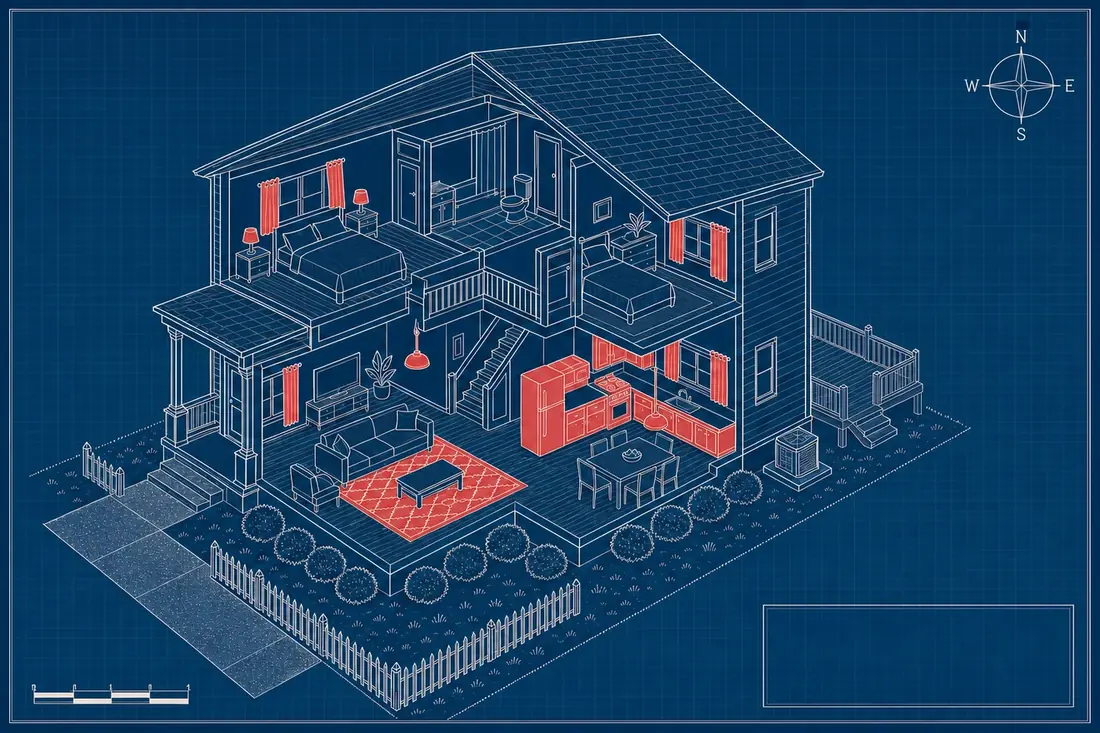
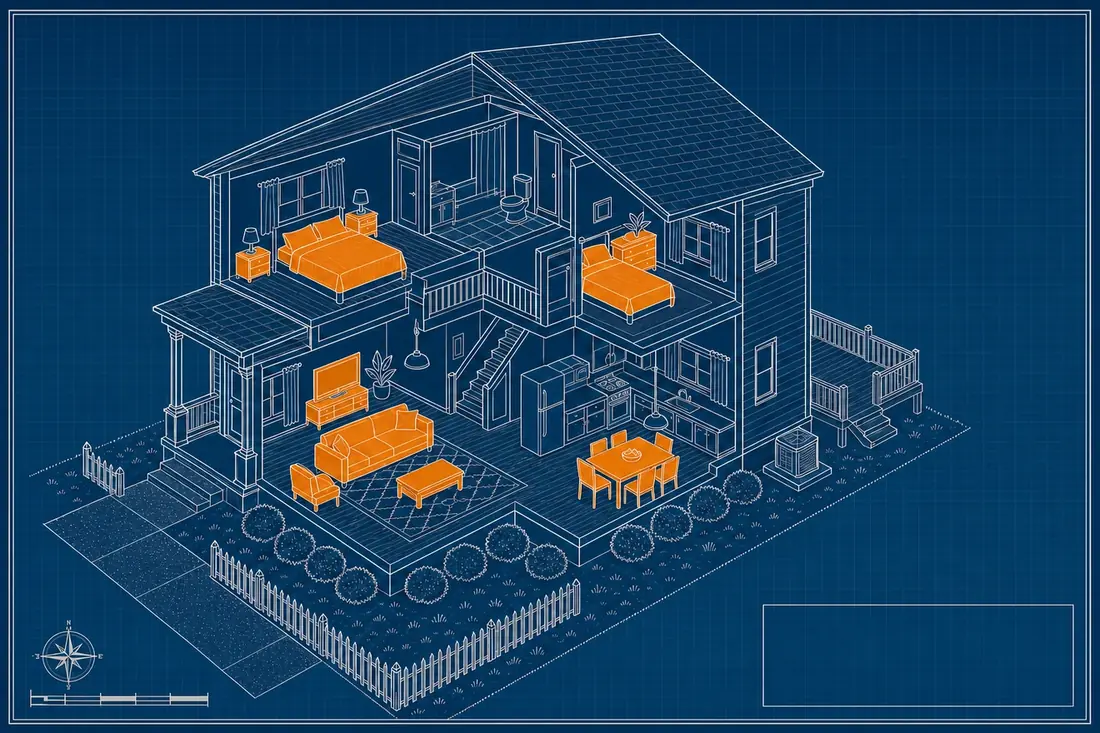
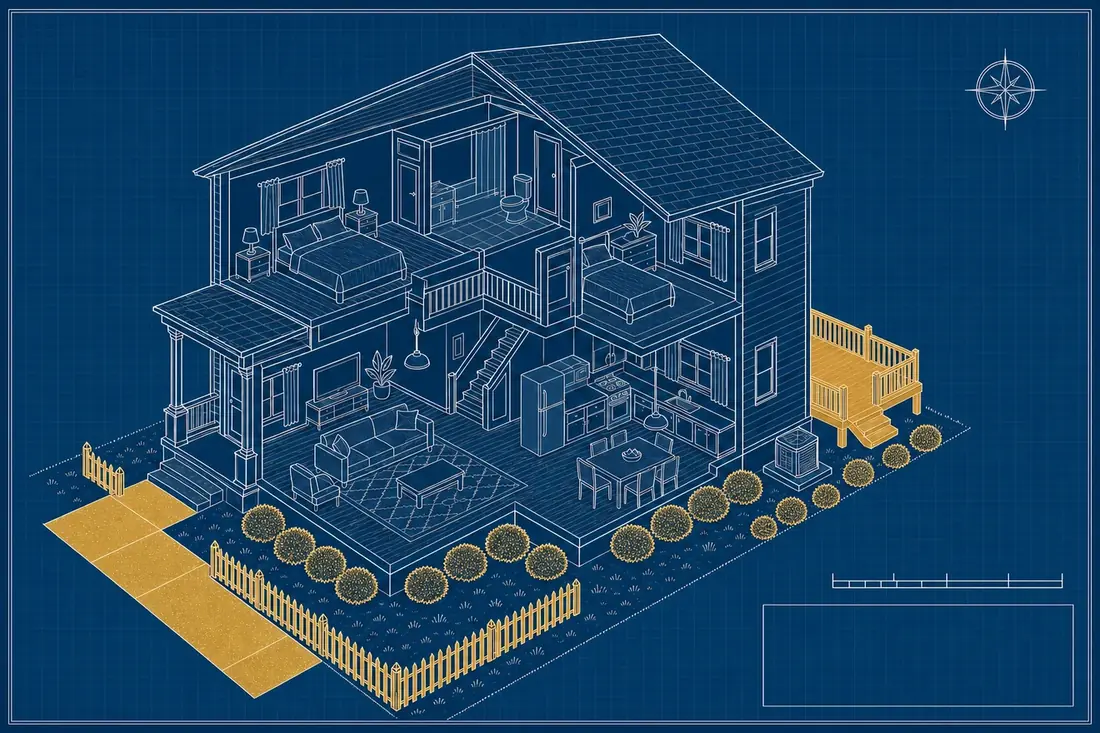
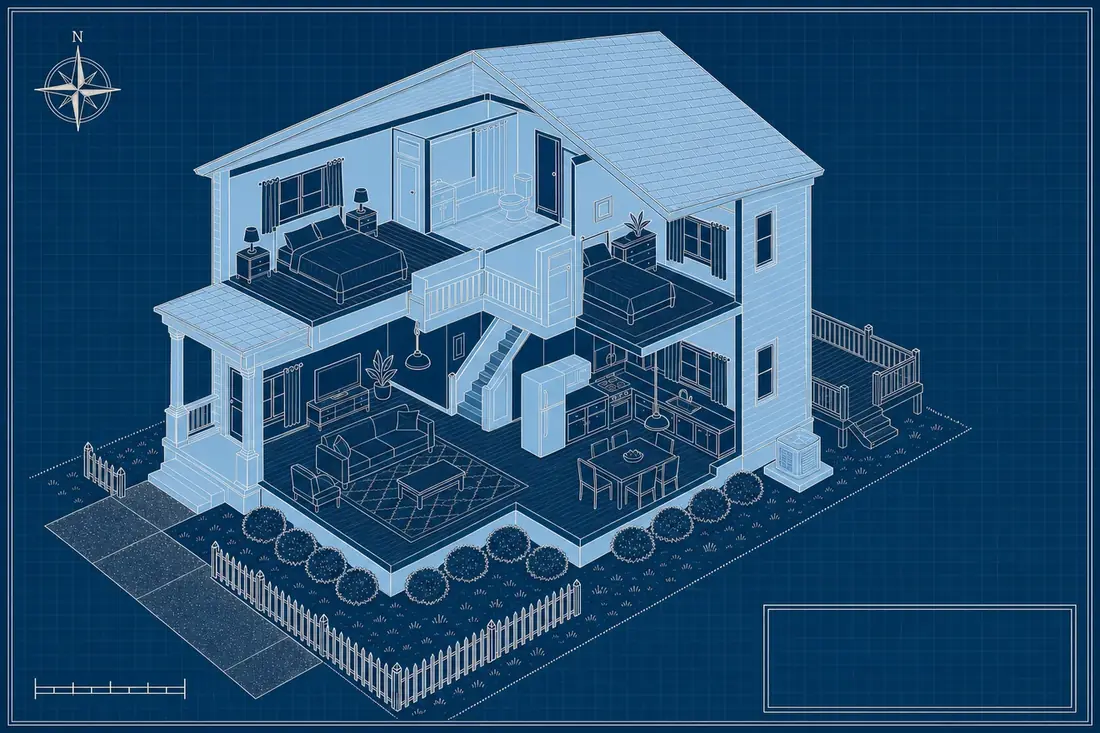
5-Year: carpet and flooring, cabinets, appliances, light fixtures, curtains 7-Year: furniture 15-Year: driveway, fencing, landscaping, deck 27.5/39-Year Shell: roof, load-bearing walls, foundation, central HVAC Get your free Preliminary Benefit Estimate Run the free estimate on the components inside a self-rented building, then bring the passive-activity question to your CPA before the study locks in a number. Request Your Free Estimate »The Section 469 Rule That Creates the AsymmetryTreasury's self-rental regulation, at Treas. Reg. 1.469-2(f)(6), recharacterizes net rental income from a self-rental as nonpassive when the owner materially participates in the business paying the rent. That single rule creates a one-way door: income moves out of the passive category, but a net loss from that same rental does not get the same treatment. A loss year on a self-rented property stays passive, regardless of how much the owner materially participates in the operating business next door.
Where a Cost Segregation Study Walks Into ThisA cost segregation study on a self-rented building identifies the same 5-, 7-, and 15-year components our engineering team would identify in any other commercial building, and the same bonus depreciation rules accelerate the deduction. On a building that was running modest net rental income before the study, that acceleration can turn the property into a loss for the year, sometimes a large one. The trap is what happens to that loss next: it's still a loss from a self-rental activity, so it stays passive, and a passive loss generally offsets only passive income. If the owner's other activities are mostly nonpassive, the operating business itself, W-2 income, active involvement elsewhere, there may not be much passive income around to absorb the new loss in the year it's generated. How this plays out when a rental is an owner's only passive income covers that narrower situation directly. A Worked Example: When Income Becomes a LossTake a medical practice built around two entities: Building LLC owns the clinic building, Practice LLC runs the clinic, and the same two dentists own both in identical percentages. Before any cost segregation study, Building LLC might collect rent from Practice LLC that clears a modest amount above the mortgage, insurance, and depreciation on a 39-year schedule, net rental income that gets recharacterized as nonpassive under the self-rental rule and flows onto the return alongside the practice's own income. One of our benchmark runs on a medical clinic identified $241,839 in first-year deductions on a $1,404,500 building basis, a $10,000 fee, a 24.2:1 ratio. Layer that scale of acceleration onto Building LLC in the example above and the modest net rental income can flip to a net rental loss for the year, sometimes a substantial one. Under the same regulation that recharacterized the income as nonpassive, the loss does not follow it back; it stays passive, and the practice's own nonpassive income from running the clinic is not available to absorb it. The 60-Second Qualifier Four questions. Our engineering team's model shows the estimated first-year acceleration a study of your property would target, free, before you commit to anything. Take the Qualifier »What Happens to the Deduction If It Can't Be Used Right AwayA passive loss that can't be used in the current year does not disappear. Suspended passive losses carry forward to future years and are generally released in full when the activity is disposed of in a full taxable sale, at which point they can offset income without the passive restriction. The deduction is not lost; it can be stranded for years, waiting on either passive income to absorb it or a sale of the property to release it. That passive income does not have to come from the same building. Section 469 measures passive income and loss in aggregate across all of a taxpayer's passive activities, so a suspended self-rental loss can offset passive income from a different rental property or another passive investment entirely, not only from the self-rented building itself. An owner with several passive holdings has more paths to absorb the loss than one whose only passive activity is the self-rented building. Does Real Estate Professional Status Change the AnalysisReal estate professional status, under section 469(c)(7), is a separate exception from grouping, and it works on the rental activity directly rather than by combining it with another activity. An owner who logs 750 or more hours in real property trades and spends more than half of their total working time in those trades, and who also materially participates in the specific rental activity, can have that rental activity's income and losses treated as nonpassive on their own terms, without needing the self-rental building to be grouped with anything. That test is demanding on the hours side and is evaluated per taxpayer, not per property, so it does not automatically extend to every self-rental an owner holds. Where it applies, it removes the asymmetry described above entirely, because the loss is nonpassive from the start rather than being recharacterized income with a passive-only loss sitting next to it. Whether an owner's hours and participation clear that bar is a determination for their CPA, not something a cost segregation study evaluates. Why This Doesn't Show Up in Most Cost Segregation ContentMost cost segregation writing assumes a straightforward landlord-tenant relationship: an owner rents to strangers, the rental activity is passive on both the income and the loss side, and a study's deductions flow through in the ordinary way. Self-rental breaks that assumption specifically because the owner is also running the tenant's business, a pattern common among the contractors, medical and dental practices, and other owner-operators who hold their own building. The pattern shows up often among roofing, HVAC, paving, and other service contractors who built or bought their own shop and warehouse and lease it to their own operating company, exactly the ownership structure that makes the asymmetry above matter in practice rather than in theory. The Planning Question This RaisesNone of this means a cost segregation study is a bad idea on a self-rented building; the components are still real, and the deductions still exist once they can be used. It means the timing and usability of those deductions depend on the passive-activity posture of the ownership structure, not just on the study itself. Grouping the rental with the operating business under Reg. 1.469-4 is the specific election CPAs use to address this asymmetry, covered in full on its own page. Frequently asked questionsDoes the self-rental rule apply if the building and the business are owned by separate LLCs? Yes. The rule looks at who materially participates in the operating business, not at how the ownership is split across entities. Separate LLCs for the building and the business do not, by themselves, avoid the section 469 self-rental recharacterization. Does the self-rental rule apply to rent paid to a spouse's separate entity? The regulation looks at material participation in the business receiving the rent, and spousal attribution rules can bring a spouse's participation into the analysis. Whether a specific spousal ownership structure triggers the rule is a question for the owners' CPA based on the full facts. Can a self-rental loss ever offset nonpassive income? Generally not while the loss is suspended as passive. It carries forward and is generally released in full when the rental activity is disposed of in a full taxable sale, at which point the released loss is no longer subject to the passive limitation. Is the self-rental rule the same as the passive activity rules for regular rentals? It's a specific add-on to the general passive activity rules under section 469, not a separate framework. Regular passive rentals don't get their income recharacterized; the self-rental regulation applies specifically when the tenant is a business the property owner materially participates in. Should an owner skip a cost segregation study on a self-rented building? The components inside the building and their deductions are real regardless of the passive-activity posture; what changes is how quickly those deductions can be used. That's a planning question for the owner's CPA, often addressed through a grouping election, not a reason to skip identifying the components in the first place. Does qualifying as a real estate professional avoid the self-rental trap? It can, but it's a separate test from the self-rental rule itself. An owner who meets the real estate professional hours test and materially participates in the specific rental activity can have that rental's income and losses treated as nonpassive directly, without relying on the recharacterization rule or a grouping election. Keep readingGet your free Preliminary Benefit Estimate Send the address or the listing link. We model the number first; you decide with it in hand. Request Your Free Estimate »Educational information, not tax advice. This page describes how federal
depreciation rules and tests work in general. Whether any rule fits your facts is a determination for
you and your CPA. Our study gives your CPA the engineering and the numbers to make that call.
|