|
Cost Segregation for Commercial & Short-Term Rental Owners
|
Request a free estimate [email protected] |
STR Guides
Free Listing SEO Audit Paste your Airbnb or VRBO listing. Get a scored audit in 90 seconds. Audit My Listing »FREE Estimate Is there a first-year deduction sitting in your building? No cost, no obligation. Request Yours »Minimum ROIOur study identifies at least 20x its fee in first-year deductions on commercial property, or at least 30x on a short-term rental, or it is free. |
Airbnb 39-Year Depreciation: What Actually ChangesQuick answer An Airbnb that lands on the 39-year nonresidential depreciation schedule, because its average guest stay runs 7 days or less, depreciates its structural shell more slowly than a 27.5-year residential property would. What doesn't change: a cost segregation study still finds the same 5-, 7-, and 15-year components inside the building, and those components keep full bonus depreciation eligibility. The same 7-day average that slows the shell is also the test behind the short-term rental exception to the passive-loss rules. That is one of the tests. The check asks the rest. What you own, who runs it, average guest stay, when you bought. Four questions, 30 seconds, and you see the first-year deduction range a study would look for on your rental. No email to see the range. Run the 30-second check »Key takeaways
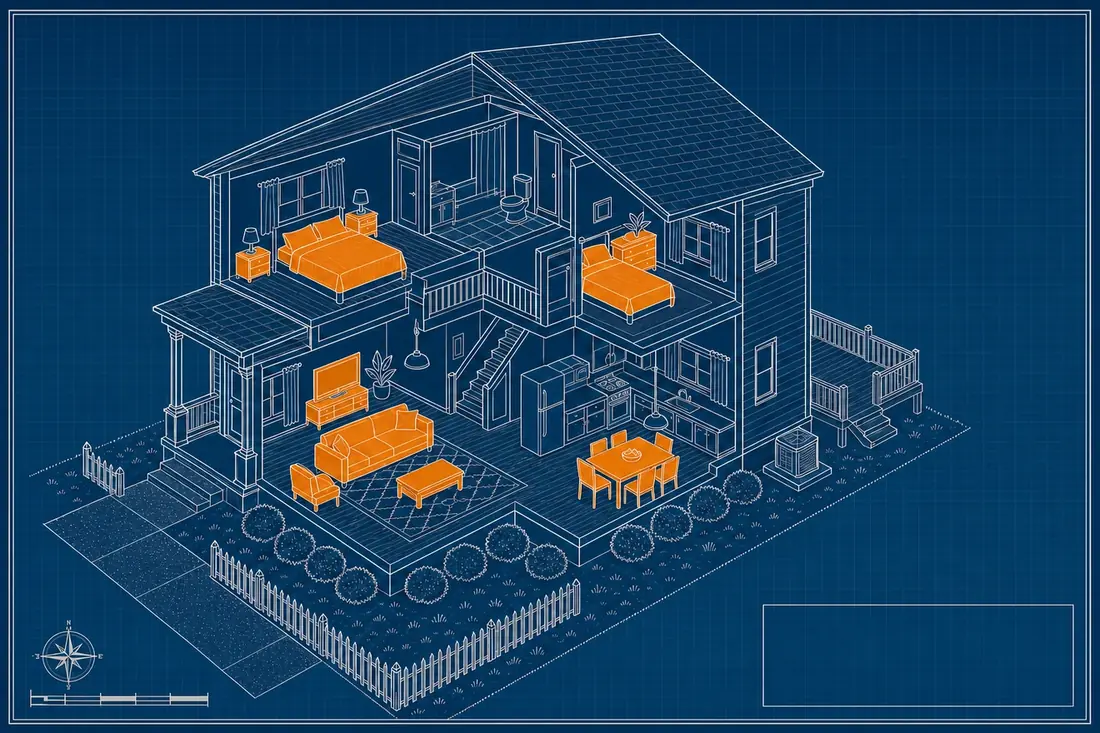
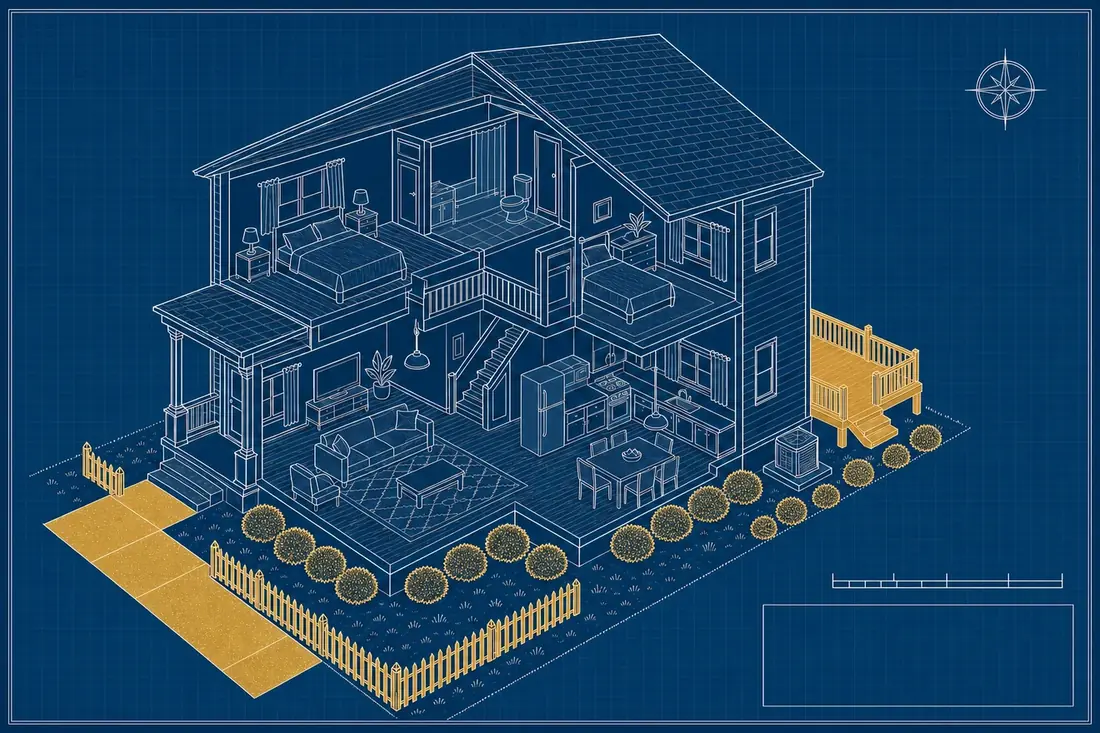
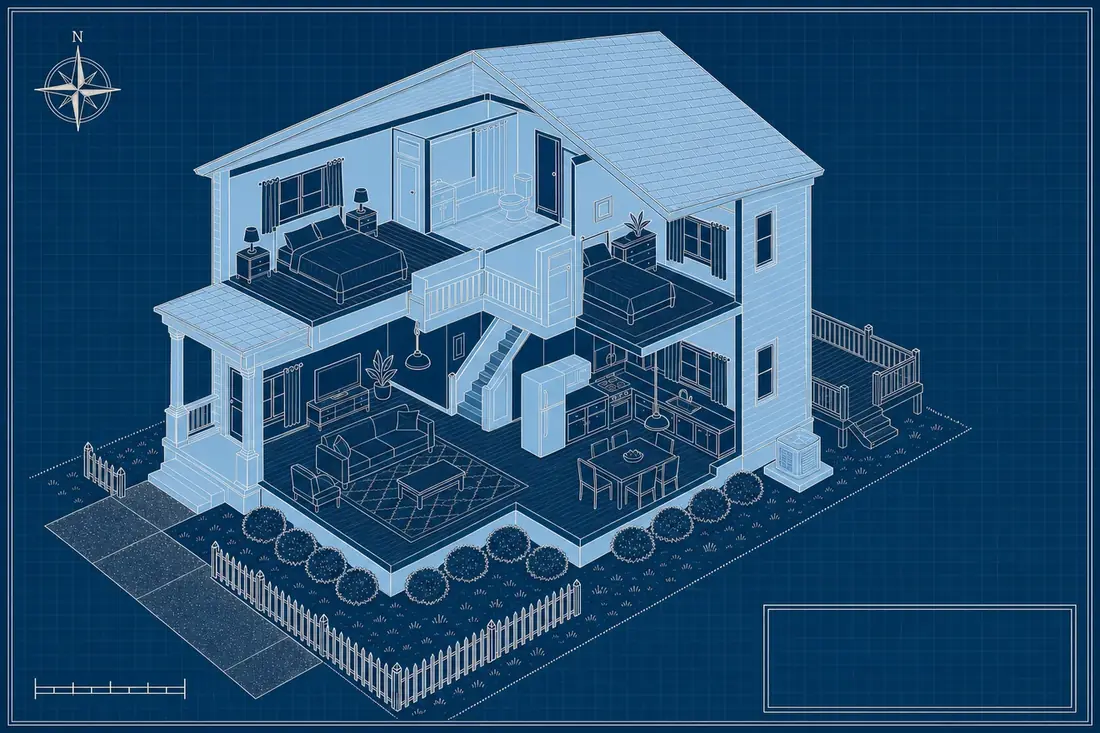
Watch a log cabin rental get built and classified A hypothetical $600,000 three-bedroom log cabin goes up floor by floor, from the gravel drive and foundation to the game loft and the hot tub on the deck. Every component lands on its depreciation schedule as it is installed, and the year-one depreciation adds up on screen. Watch the 90-second walkthrough »Start With What Triggered the 39-Year ClassificationIf a short-term rental lands on the 39-year nonresidential schedule instead of 27.5-year residential, it's because the average guest stay for the year ran 7 days or less, transient, hotel-like use under the tax code's definition of residential rental property. The test itself looks at actual bookings, not the listing's category. Once the classification lands on 39 years, the practical question is what that actually costs, and what it doesn't touch. The honest answer is smaller than the reaction. The shell, the walls, the roof deck, the foundation, the structural bones, moves to a longer recovery period. Everything a cost segregation study identifies as separate from that shell keeps its own schedule regardless. 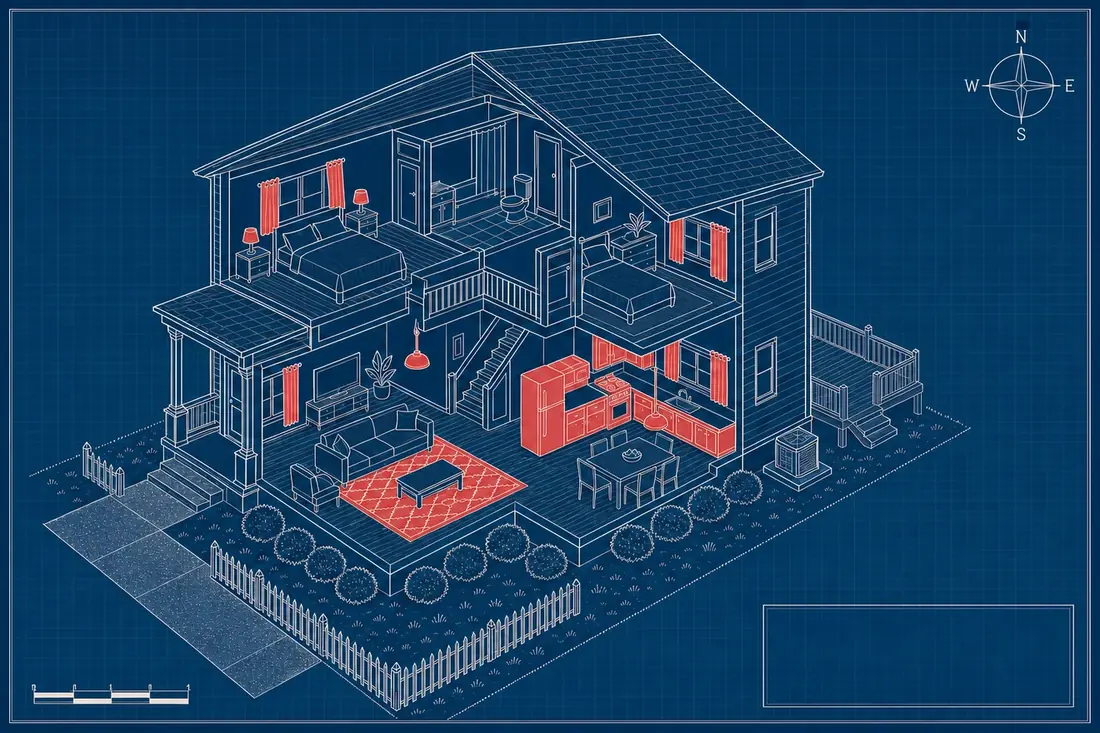
5-Year: carpet and flooring, cabinets, appliances, light fixtures, curtains 7-Year: furniture 15-Year: driveway, fencing, landscaping, deck 27.5/39-Year Shell: roof, load-bearing walls, foundation, central HVAC Get your free Preliminary Benefit Estimate A 39-year shell doesn't change what's inside the building; run the free estimate to see what our engineering team expects to find before any commitment. Request Your Free Estimate »What Changes: The Structural Shell's PaceA 39-year schedule spreads the depreciable basis of the structural shell over more years than 27.5 would, which means a smaller straight-line deduction on that portion of the building each year. That's a real difference and it compounds over a long hold. It's also the only piece of the picture the classification actually touches. 39 vs 27.5 yrsrecovery period for the structural shell under each schedule 0change to bonus-eligible component schedules What Doesn't Change: The Buckets a Study FindsA cost segregation study classifies the carpet, cabinetry, decorative lighting, and certain electrical and plumbing that serve specific equipment into 5-year property; certain furniture and fixtures into 7-year; and paving, fencing, landscaping, outdoor lighting, and site utilities into 15-year land improvements. None of those categories depend on whether the surrounding shell is 27.5 or 39 years. A cost segregation study identifies the same components in the same building either way. Bonus depreciation follows the component, not the shell. Property with a recovery period of 20 years or less, exactly the 5-, 7-, and 15-year buckets a study finds, is what current law makes bonus-eligible. The 39-year (or 27.5-year) shell was never bonus-eligible regardless of which schedule it landed on. That non-effect runs in both directions: a property that would have qualified for 27.5-year treatment gets no different bonus depreciation result on its components than one that lands on 39-year. The component-level rule was written around the asset, not the shell, specifically so a classification dispute over the shell wouldn't ripple into the depreciation that actually moves the needle. The Same 7-Day Test Opens a Different DoorThe average-stay-of-7-days concept that pushes a building toward the 39-year schedule is the identical figure behind the short-term rental exception to the passive activity rules under section 469. A rental activity where the average guest stay is 7 days or less is not a "rental activity" for section 469 purposes under Reg. 1.469-1T(e)(3)(ii), which means the ordinary passive-loss wall doesn't automatically apply. An owner still needs material participation, measured against tests like 500 hours, substantially all the participation, or 100 hours and more than any other individual, for losses to be treated as non-passive. The test that slows the shell is the same test that opens the loophole. That's a genuine trade-off built into the same number. A CPA weighing the two effects looks at the property's actual figures on both sides, not just the depreciation schedule in isolation. The 60-Second Qualifier Four questions. Our engineering team's model shows the estimated first-year acceleration a study of your property would target, free, before you commit to anything. Take the Qualifier »Why the Reaction Is Usually Bigger Than the ImpactOwners who hear "39-year" often assume the whole depreciation picture just got worse. In practice, a study typically shifts about 15 to 35% of building basis into faster schedules, and the buckets driving most of that acceleration were never on the 27.5-year or 39-year track to begin with. The shell's pace is one input, not the whole return. Picture two owners who each hear the same thing from their CPA this season: this year's Airbnb landed on the 39-year schedule. The first owner treats it as bad news about the whole investment and stops there. The second asks what actually changed, gets the honest answer above, and goes on to commission a study anyway. Both owners are looking at the identical fact pattern; the classification never touched the 15-to-35% number either way, it just happened to be the headline that got their attention. One delivered example shows what that looks like in real numbers: a single-family rental in Montgomery County, Pennsylvania, built in 2013, ran a study that reclassified $160,242 of a $1,040,000 building basis, 15.4% of the total, into faster schedules. The resulting first-year depreciation, $174,905, came in at roughly 135 times the $1,295 fee it cost. None of that turned on whether the shell depreciated over 27.5 or 39 years; the reclassified basis is the same list of components either way. A side-by-side look at how the residential and commercial versions of this math actually compare lives at bonus depreciation on residential versus commercial property, including a delivered single-family study next to a commercial benchmark run. Why Owners Often Hear About This LateMost owners don't think about the 27.5-versus-39-year question until a CPA raises it, sometimes after a year or two of returns have already gone out under an assumption that turns out to need correcting. That's a separate, fixable problem: a cost segregation study can run as a look-back regardless of which schedule the shell should have carried, and the section 481(a) catch-up mechanism picks up the difference in the current year through Form 3115, no amended returns required for the prior years. That timing point matters. Discovering the 39-year classification late doesn't cost an owner the ability to run a study; it just means the study, once commissioned, needs the correct shell schedule built into the calculation from the start. What a Study Still Needs From the Owner (Nothing)Because the classification question and the study run on separate tracks, a short-term rental owner doesn't need to resolve the 27.5-versus-39-year question before commissioning a study. Our engineering team works directly from the property's listing photos, the same photos used on Airbnb or VRBO, with no site visit and no owner homework. Turnaround on a residential study like this normally runs 1 to 2 weeks, 2 to 3 weeks during tax season, and rush delivery is available as a flat upcharge, $250 for the same week or $995 for delivery within one business day of signing, payment and documents, on top of the standard fee. The average-stay determination stays with the owner's CPA, reviewed against that year's actual bookings; it runs independent of how our team classifies the components inside the building. Frequently asked questionsDoes 39-year depreciation mean a short-term rental loses cost segregation eligibility? No. A cost segregation study applies to a building regardless of whether its shell depreciates over 27.5 or 39 years. The 5-, 7-, and 15-year components the study identifies, carpeting, certain fixtures, site improvements, keep their own recovery periods and their own bonus depreciation eligibility either way. Is 39-year depreciation permanent once a property is classified that way? Not necessarily. The classification follows the property's actual average stay length for the tax year in question. A shift toward longer-term rentals in a later year can change the mix that feeds the test, which is why the calculation gets reviewed annually rather than locked in once. Does the 39-year schedule affect the section 469 short-term rental loophole? It doesn't block it. The two questions share the same 7-day average-stay figure but run independently: one affects the shell's depreciation schedule, the other affects whether rental losses count as passive. Meeting the transient-use profile for one does not automatically resolve the other; material participation still has to be established separately. How much slower is 39-year depreciation than 27.5-year? The difference only applies to the structural shell's straight-line rate; spreading the same basis over more years produces a smaller annual deduction on that portion. It has no effect on the components a cost segregation study pulls onto faster schedules, which is usually where most of the acceleration in a short-term rental study comes from. Should an owner wait to do a cost segregation study until the classification is settled? There's no need to. The classification question and the component study run on separate tracks, and a short-term rental study works from listing photos without a site visit. The average-stay determination is a question for the owner's CPA to track using the property's actual rental log. Keep readingGet your free Preliminary Benefit Estimate Send the address or the listing link. We model the number first; you decide with it in hand. Request Your Free Estimate »Educational information, not tax advice. This page describes how federal
depreciation rules and tests work in general. Whether any rule fits your facts is a determination for
you and your CPA. Our study gives your CPA the engineering and the numbers to make that call.
|