|
Cost Segregation for Commercial & Short-Term Rental Owners
|
Request a free estimate [email protected] |
Vacation Markets
Free Listing SEO Audit Paste your Airbnb or VRBO listing. Get a scored audit in 90 seconds. Audit My Listing »FREE Estimate Is there a first-year deduction sitting in your building? No cost, no obligation. Request Yours »Minimum ROIOur study identifies at least 20x its fee in first-year deductions on commercial property, or at least 30x on a short-term rental, or it is free. |
Cost Segregation for Murphy and Cherokee County, North CarolinaQuick answer Murphy is the county seat of Cherokee County in far western North Carolina, near Hiwassee Lake and Lake Apalachia, and a cabin or lake house there is studied like any other residential rental: an engineering study moves interior finishes, decks and site work onto 5-, 7- and 15-year schedules instead of leaving them on the building's own 27.5- or 39-year schedule. The public record adds local facts. Cherokee County's occupancy tax rose from 4% to 6% on July 1, 2026, and the county's parcel file shows about 77% of assessed value in buildings countywide. Own a Murphy, NC rental? See the first-year deduction range a study would look for. 30 seconds, no email to see the range. Start the check ↓Key takeaways
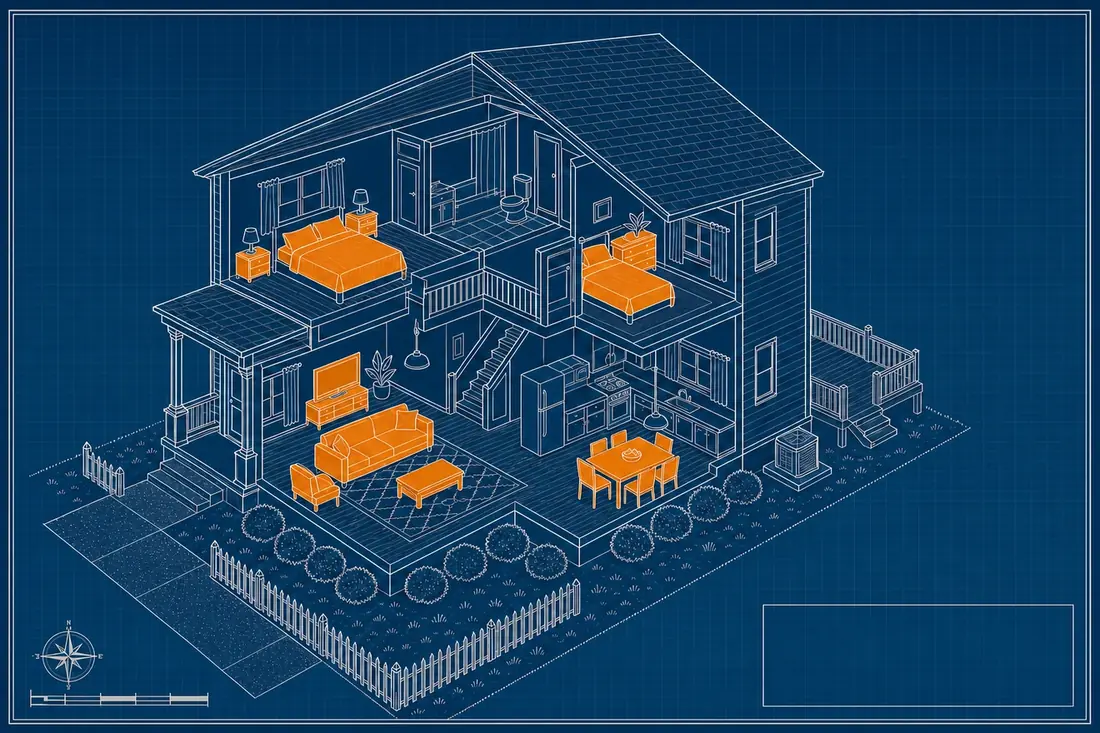
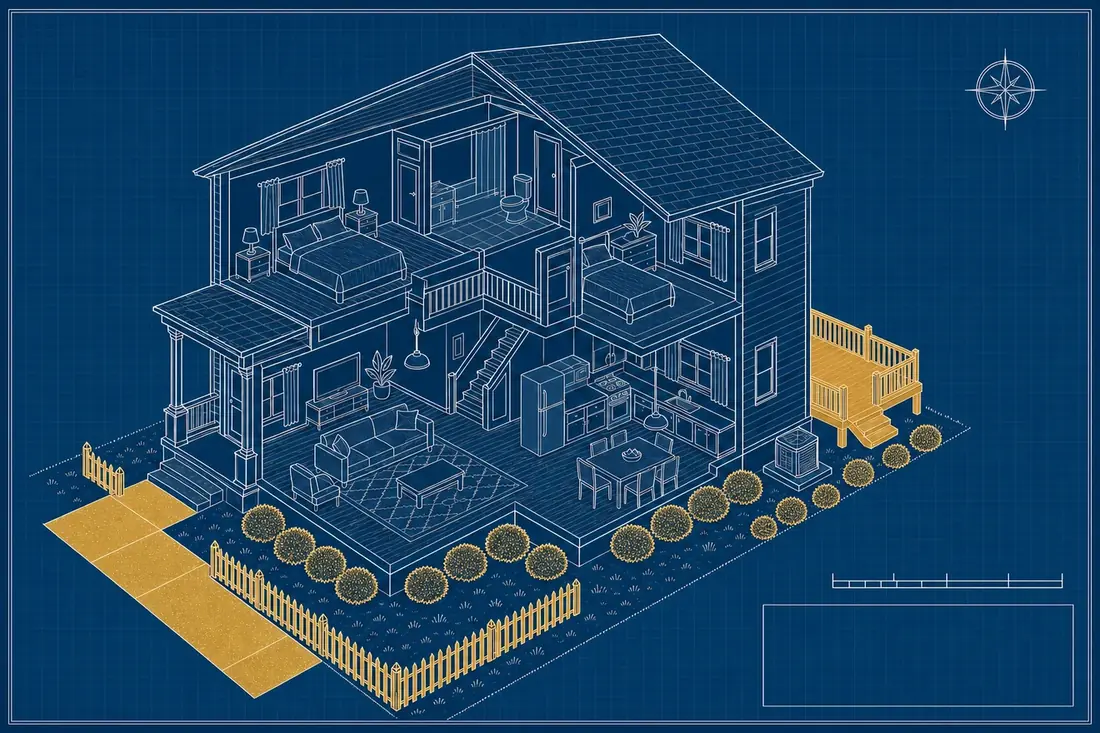
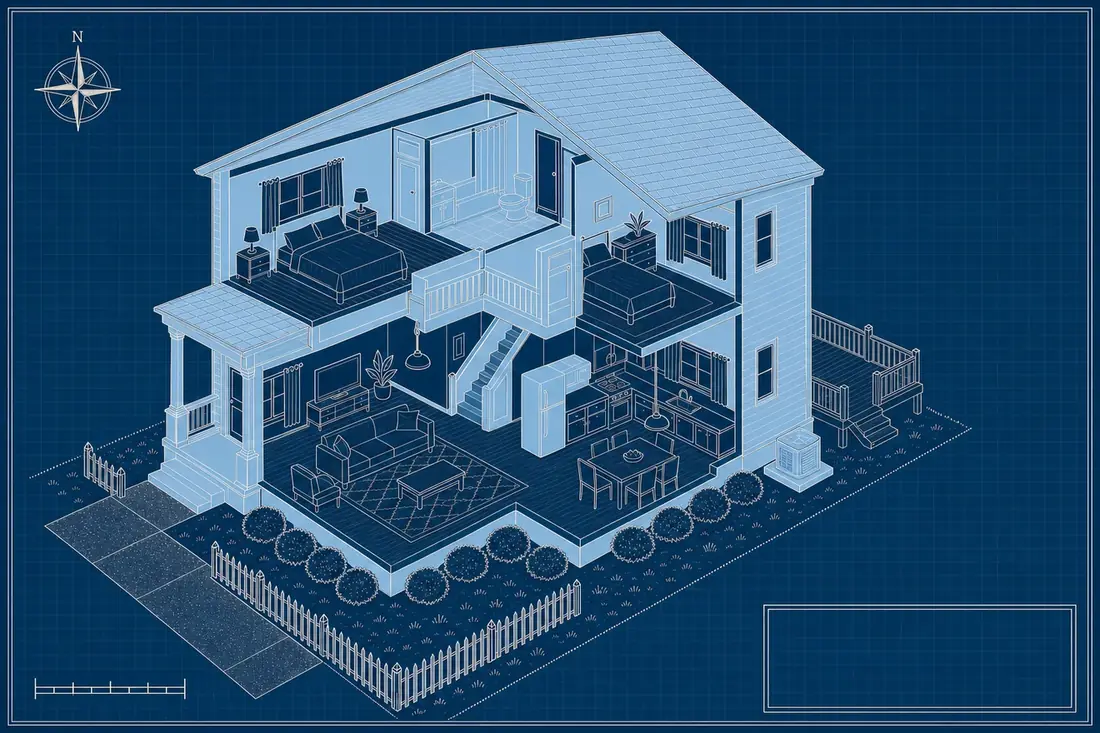
Watch a lake house rental get built and classified A hypothetical $900,000 four-bedroom lake house goes up on a sloping lot, from the driveway and the walkout level to the great room, the screened porch and the covered dock. Every component lands on its depreciation schedule as it is installed, and the year-one depreciation adds up on screen. Watch the 90-second walkthrough »Far western North Carolina, and not the other CherokeeMurphy is the seat of Cherokee County, in the southwest corner of North Carolina, where the Valley and Hiwassee rivers meet. This page is about Cherokee County. It is not about the Qualla Boundary or the town of Cherokee, which are separate places with their own governments. The county's rental stock is cabins and lake houses around Hiwassee Lake and Lake Apalachia, along with homes near the Nantahala National Forest. Atlanta and Chattanooga are the drive-to metro markets, and the Georgia and Tennessee lines are close. The market is smaller and quieter than the Smokies gateway towns, and the calendar leans on summer lake traffic and fall color, so a Murphy property's year tends to blend weekend trips with longer stays. That blend is what the 7-day average tests later on this page. 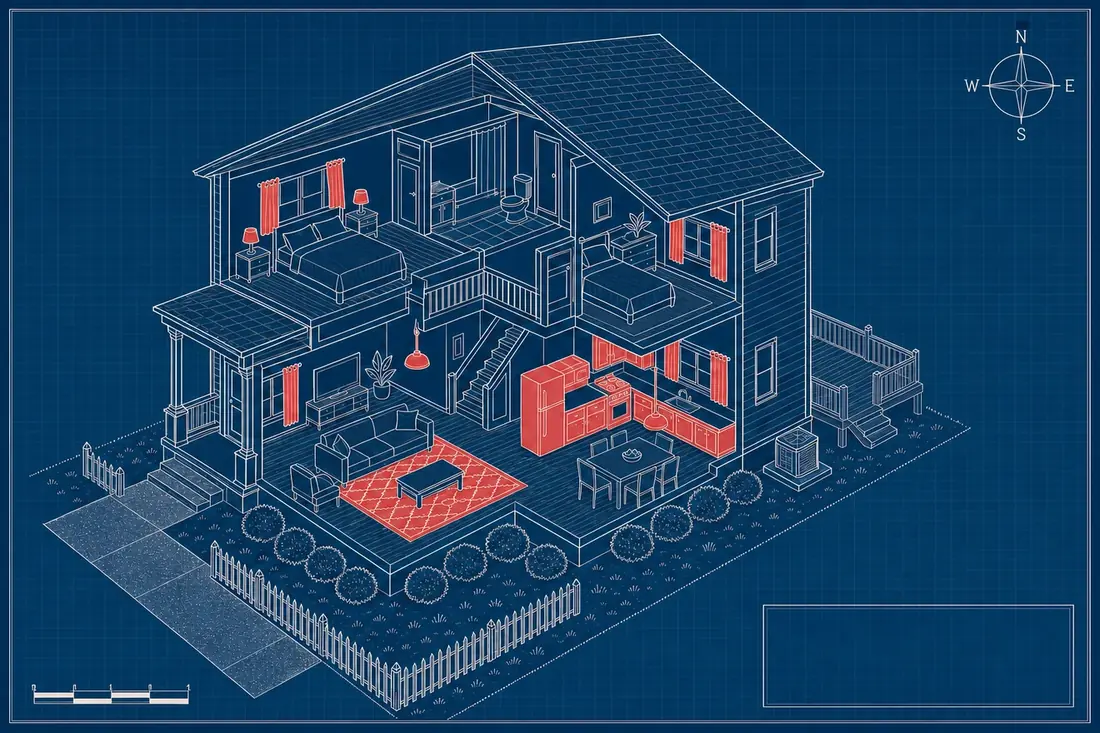
5-Year: carpet and flooring, cabinets, appliances, light fixtures, curtains 7-Year: furniture 15-Year: driveway, fencing, landscaping, deck 27.5/39-Year Shell: roof, load-bearing walls, foundation, central HVAC Get your free Preliminary Benefit Estimate See what a Murphy cabin or lake house could accelerate with the free estimate at /qualify. Request Your Free Estimate »What Cherokee County publishes about occupancy taxCherokee County's Occupancy Tax page says owners and managers of hotels, motels, bed and breakfasts, cabins, resorts, cottages and similar rentals, rented for less than 90 consecutive days to the same guest, are required to collect the tax. It states that the rate was 4% through June 30, 2026 and became 6% on July 1, 2026. Monthly reports and the tax collected go to the County Finance Office in Murphy by the 20th of the following month, and the page links a registration form. The page also lists items that are taxable as part of the accommodation rental, including credit card fees, damage fees, cleaning fees, pet fees, reservation fees and security deposits. That list matters for a rental owner's books. It does not change the depreciation side of a study. What the assessor's file shows: land versus buildingNorth Carolina's appraisal statute, G.S. 105-317, has appraisers value land on its own factors and a building on its own, so a parcel record carries separate lines. Cherokee County describes its method on its revaluation page. It sets land values by neighborhood from sales, then subtracts the land value from recent house-and-lot sales to arrive at building values, and it states those rates in a Schedule of Values that the commissioners approve. The county's public parcel layer carries land value, building value and an outbuilding line for each parcel. On October 17, 2026 we pulled that layer, kept one record per parcel number, and kept the 17,990 parcels with both a land value and a building value above zero. Land totaled about $841 million and buildings about $2.76 billion, so buildings were about 77% of combined value and land about 23%. The median parcel was 86% building, and the middle half fell between 75% and 91%. Using the county's Murphy municipal boundary on the same filter, the 886 parcels that intersect it had a median of 77% building, with the middle half between 63% and 85%. Town lots carry more land, and the outbuilding line is left out of every figure. The county's reappraisal takes effect January 1, 2028, according to the Tax Department's reappraisal materials, so these figures will be replaced. They are a reference point, not the allocation a purchase uses. Land is never depreciable, which is why the land line matters, and the land value guide covers how the allocation gets set. Estimate the first-year deduction on a property hereA few questions and the building value give a preliminary first-year deduction range, using the same rule as our free calculator. The breakdown can be emailed to you, or you can book a 15-minute call. Step 1 of 3 What kind of property?
Who runs it day to day?
What is the average guest stay?
When did you buy it?
How many rentals do you own?
Across all of them, does your rental portfolio show taxable income overall?
Any of them likely to sell in the next few years?
Prefer to talk it through? Book straight from here. No form needed.
Lake homes: docks, steps and the shoreline stripA lake house adds site work a hillside cabin does not. A dock, a boat ramp or lift, stairs and a path to the water, a seawall or retaining wall, a paved drive and exterior lighting are site items, separate from the structure, and they generally sort into the 15-year land improvement bucket. On a reservoir, the shoreline strip may belong to the agency that runs the lake and not to the buyer, so a purchase file should show which items stand on the deeded lot and which do not. Inside, cabinetry, appliances, carpet and most flooring, and decorative lighting generally move to 5-year property, and certain built-in fixtures generally move to 7-year property. The shell, the roof structure and the central HVAC generally stay on the building's own schedule, 27.5 years or 39, and a short-term rental averaging stays of 7 days or less generally lands on 39 (see the 27.5 or 39 years guide). A study typically shifts 15 to 35% of a building's basis into the faster schedules. The lake house page and the cabin page go through the components, and a house owned for years can use a look-back on Form 3115, covered in the look-back guide. Weekends, weeks and the 7-day testThe short-term rental exception under Reg. 1.469-1T(e)(3)(ii) turns on whether the average guest stay across the full year is 7 days or less. Lake weekends and fall trips run a few nights, and summer vacations run longer. A property with that blend may land near the line, and the answer comes from the year's actual booking records. A property that also takes longer stays, such as traveling workers, can pull the average the other way, and the mid-term rental page covers that. The average-stay guide shows the calculation. Material participation is the separate question. An owner in Atlanta who drives up to turn the house personally has a different count of hours than an owner who uses a manager, since the manager's hours count in the comparison. The material participation page lays out the tests. Which one a specific owner clears is a question for that owner's CPA. Hypothetical math, then a real estimateFor scale, take a hypothetical lake house with a building value of $750,000, land excluded. Our free estimate's rule for a short-term rental is 16% to 26% of building value, which gives $120,000 to $195,000 of estimated first-year deductions. The range assumes 100% bonus depreciation, which applies to property acquired after January 19, 2025. It is a deduction, not a cash figure, and an engineered study sets the real number. A free Preliminary Benefit Estimate at /qualify runs that rule on a specific property, and short-term rental studies work from listing photos with no site visit. Nearby markets include Blue Ridge, Georgia just across the state line and Bryson City and Nantahala, and the North Carolina hub covers the state. Frequently asked questionsIs this page about the town of Cherokee, NC? No. It covers Murphy and Cherokee County, in the far southwest corner of North Carolina. The Qualla Boundary and the town of Cherokee are separate places with their own governments. What is the occupancy tax rate in Cherokee County, NC? Cherokee County's page says the rate was 4% through June 30, 2026 and became 6% on July 1, 2026, on rentals of less than 90 consecutive days. Reports are due to the Finance Office by the 20th of the following month. How much of a Cherokee County property's assessed value is land? Countywide, buildings carry about 77% of combined assessed value and land about 23%, with a median parcel of 86% building. Inside Murphy's boundary the median parcel is 77% building. These are reference points, not purchase allocations. When is Cherokee County's next reappraisal? January 1, 2028, according to the county Tax Department. Current values will be replaced at that point. Is a dock on Hiwassee Lake part of a cost segregation study? A dock is generally listed as its own component, usually in the 15-year land improvement group. Because a reservoir shoreline may belong to the agency running the lake, a purchase file should show what stands on the deeded lot. Get your free Preliminary Benefit Estimate Send the address or the listing link. We model the number first; you decide with it in hand. Request Your Free Estimate »Educational information, not tax advice. This page describes how federal
depreciation rules and tests work in general. Whether any rule fits your facts is a determination for
you and your CPA. Our study gives your CPA the engineering and the numbers to make that call.
Related guides: How Does Cost Segregation Work in Vacation... · Does Cost Segregation Work on a Poconos... · Cost Segregation for a Jersey Shore Rental... · Cost Segregation for a Pigeon Forge Cabin... · Cost Segregation for a Gatlinburg Rental...
More North Carolina markets: Cost Segregation for an Outer Banks Rental... · Cost Segregation in North Carolina · Cost Segregation for Boone and Blowing... · Cost Segregation for Cashiers, Highlands... · Does Cost Segregation Work on an Asheville... · Cost Segregation for Banner Elk and Beech... · All vacation markets
|